
Compare models
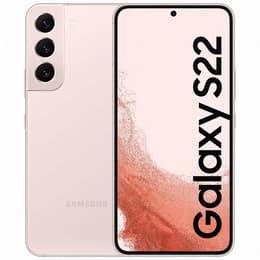
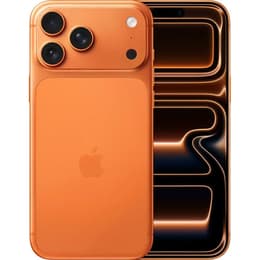
Galaxy S22 5G Vs iPhone 17 Pro Max
- 1-year minimum warranty
- Free delivery on all items
- Free 30-day returns
Differences at a glance
The Samsung Galaxy S22 5G (2022) and the Apple iPhone 17 Pro Max (2025) represent two distinct eras of flagship smartphone engineering, bridging a three-year technological gap. While the Galaxy S22 5G focuses on a compact, pocket-friendly Android experience, the iPhone 17 Pro Max delivers a sprawling, large-screen iOS ecosystem tailored for maximum capability. These devices differ fundamentally in physical footprint, operating system philosophy, and generational capabilities.
Available Models
Colour
Storage
Scores
Durability
Comparing the launch timelines reveals a significant age difference, with the Galaxy S22 arriving in 2022 and the iPhone 17 Pro Max launching in 2025. This gap impacts software support horizons and hardware longevity.
- Software update schedule: The iPhone 17 Pro Max benefits from a longer remaining window of primary operating system updates due to its recent release year.Repairability ecosystem: Both manufacturers provide structured repair networks, though older hardware like the Galaxy S22 may see shifts in component availability over time.Expected lifespan: Users selecting the newer Apple device secure extended software longevity, whereas the Samsung model operates further along its intended update lifecycle.
Year of Release
2022
2025
Compatible with latest Update
Yes
Yes
OS
Android
iOS
Foldable
No
No
Performance
Processing capabilities and day-to-day operation reflect the multi-year generational leap between the two handsets, influencing how smoothly demanding apps and multitasking execute.
- Multitasking efficiency: The iPhone 17 Pro Max manages heavy background tasks and resource-intensive workflows with generous memory allocation. The Galaxy S22 handles daily apps and standard multitasking reliably, though demanding software pushes its hardware limits faster.Storage configurations: Both models offer ample internal capacity options for apps and media, though neither supports expandable storage via memory cards.Battery behavior: The larger physical frame of the iPhone accommodates a substantially larger battery capacity, supporting prolonged heavy usage compared to the smaller battery housed inside the compact Galaxy S22.
Screen quality
Display engineering highlights a stark contrast in physical size and viewing area, catering to different media consumption and portability preferences.
- Panel technology: Both devices use advanced OLED display panels that deliver deep contrast levels and vivid color reproduction.Size and footprint: The Galaxy S22 features a compact 6.1-inch screen designed for easy one-handed reach, whereas the iPhone 17 Pro Max deploys an expansive 6.9-inch display suited for immersive viewing.Brightness and smoothness: Both screens incorporate high refresh rate technology for fluid scrolling, alongside strong peak brightness capabilities that maintain outdoor legibility under direct sunlight.
Resolution
1080 x 2340
2868x1320
Screen type
Dynamic AMOLED 2X
Super Retina XDR
Audiovisual
Optics and media recording hardware differ notably in lens versatility, resolution output, and low-light processing performance.
- Camera versatility: The iPhone 17 Pro Max features a multi-lens array with high-resolution sensors across its main, ultra-wide, and telephoto systems, supporting extended optical zoom ranges. The Galaxy S22 relies on a versatile triple-lens setup covering standard, ultra-wide, and moderate zoom focal lengths.Video and audio: Apple's device offers advanced professional video recording codecs and studio-quality microphone arrays, while the Samsung handset captures crisp, stable video clips suitable for everyday memories.Media playback: Stereo speaker output on both phones delivers clear sound for calls and casual video viewing, with the larger iPhone body providing a slightly wider soundstage.
Main camera
50 megapixels
48 megapixels
Front camera
10 megapixels
18 megapixels
Miscellaneous
Physical design choices and connectivity standards shape how each smartphone feels during daily handling and travel.
- Build materials: Both models utilize durable glass and metal frames with official water and dust resistance ratings for everyday protection.Dimensions and weight: The Galaxy S22 is significantly lighter and narrower, making it comfortable for pockets and single-handed navigation. The iPhone 17 Pro Max is a heavier, broader device requiring two-handed use for extended periods.Connectivity: Both smartphones support modern 5G mobile networks and Wi-Fi standards, though the newer Apple hardware incorporates revised wireless chips for enhanced connection stability.
Weight
167 g
233 g
Screen size (in)
6.1
6.9
Mobile network
5G
5G
SIM card
Physical SIM + eSIM
Physical SIM + eSIM
Carrier compatibility
Unlocked
Unlocked
What the community thinks
Community discussions and user feedback highlight distinct patterns for each device. Owners of the Galaxy S22 frequently praise its lightweight, compact form factor that fits easily into pockets and small bags, though some users note that heavy multitasking or navigation can lead to more frequent charging sessions due to the smaller battery capacity. Conversely, users of the iPhone 17 Pro Max regularly commend the expansive display estate and exceptional battery endurance, while occasionally mentioning that the considerable physical weight and large footprint require an adjustment period during one-handed operation.
Users prioritizing a pocket-friendly, lightweight device for straightforward daily tasks may prefer the Galaxy S22, while users prioritizing expansive screen space, advanced camera flexibility, and extended battery endurance will lean toward the iPhone 17 Pro Max. For consumers seeking a quality-assured refurbished option, exploring sustainably restored models provides an eco-friendly alternative that aligns with reducing electronic waste without compromising on device functionality.