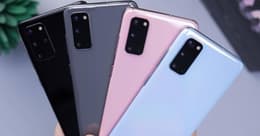
Galaxy S21 FE 5G Vs iPhone 15

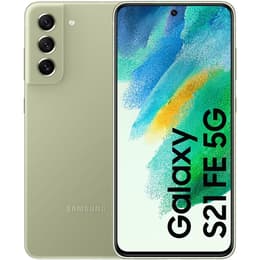
Galaxy S21 FE 5G
Galaxy S21 FE 5G
Starting at

Refurbished price:£122.00

Versus £759.00 new

See options
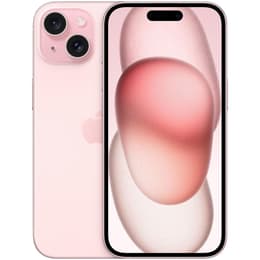
iPhone 15
iPhone 15
Starting at

Refurbished price:£326.00

Versus £699.00 new

See options

Ratings

The Samsung Galaxy S21 FE 5G, released in early 2022, and the Apple iPhone 15, launched in late 2023, represent two distinct philosophies in the smartphone market. While the Galaxy S21 FE 5G was designed to bring flagship-level features to a broader audience within the Android ecosystem, the iPhone 15 introduced significant design shifts for Apple, including the transition to universal charging ports and a new interactive screen element. These devices differ primarily in their release timing, operating systems, and display priorities, offering unique advantages depending on whether a user values screen fluidity or long-term software support.

Choosing between these two involves weighing the benefits of an established, versatile hardware setup against a newer, more integrated ecosystem. The Galaxy S21 FE 5G operates on Android, providing extensive customisation, while the iPhone 15 runs iOS, known for its streamlined interface and tight integration with other devices. As we evaluate these smartphones in 2026, their age and technical foundations play a crucial role in determining which remains the more practical choice for different types of users.

Scores

Durability

When considering how long these devices will remain functional and secure, the gap in their release dates and manufacturer update policies creates a clear distinction in their expected lifespans.

  • Software Longevity: The iPhone 15 has a notable advantage in this area, as it was released nearly two years after the Galaxy S21 FE 5G. Apple typically provides system updates for six to seven years, meaning the iPhone 15 is expected to remain current until approximately 2030. In contrast, the Galaxy S21 FE 5G is approaching the end of its major operating system update cycle, though it may continue to receive security patches for a short time longer.
  • Physical Durability and Repair: Both phones feature robust builds, with the iPhone 15 using a specialised glass ceramic shield and the Galaxy S21 FE 5G utilising a high-strength glass front and a reinforced polycarbonate back. Repairing these devices is generally straightforward for professional technicians, though the availability of genuine parts is often more consistent for the iPhone 15 due to its more recent market presence.
  • Hardware Relevance: The internal components of the iPhone 15 are designed with more performance headroom, allowing it to handle future software demands more effectively than the older hardware found in the Galaxy S21 FE 5G.

Year of Release

2022

2023

Compatible with latest Update

Yes

Yes

OS

Android

iOS

Foldable

No

No

Performance

Performance in daily use is defined by how quickly apps open, how smoothly the interface responds to touch, and how well the battery lasts through a full day of activity.

  • System Responsiveness: The iPhone 15 delivers a highly efficient experience, with internal hardware that manages demanding tasks like high-definition video editing or complex mobile games without significant heat or slowdown. The Galaxy S21 FE 5G remains a capable performer for everyday multitasking and social media, though users may notice slightly longer loading times when opening heavy applications compared to the newer iPhone.
  • Multitasking and Memory: The Galaxy S21 FE 5G often comes with more system memory (RAM), which helps keep multiple apps open in the background. However, the iPhone 15 uses a more integrated approach to memory management, ensuring that the transition between active apps feels instantaneous and fluid despite having different technical specifications on paper.
  • Battery Endurance: In typical usage scenarios, the iPhone 15 is highly optimised to conserve energy during standby periods, often lasting through a full day for moderate users. The Galaxy S21 FE 5G has a larger physical battery capacity, which is beneficial for users who spend a lot of time on cellular data or using GPS, though the high-refresh-rate screen can consume power more quickly.

Memory (GB)

8 GB

6 GB

Screen quality

The viewing experience differs significantly between these two models, particularly regarding how smooth motion appears and how bright the screen can get in outdoor environments.

  • Motion Smoothness: The Galaxy S21 FE 5G features a 120Hz refresh rate, which means the screen updates 120 times per second. This results in very smooth scrolling and fluid animations when navigating menus or browsing the web. The iPhone 15 maintains a standard 60Hz refresh rate, which is functional and clear but lacks the same level of perceived smoothness found on the Samsung device.
  • Outdoor Visibility: The iPhone 15 is equipped with a display that can reach very high brightness levels, making it easier to read text or view photos even under direct, bright sunlight. While the Galaxy S21 FE 5G has a vibrant AMOLED screen with excellent contrast and deep blacks, it does not reach the same peak brightness as the iPhone 15 in challenging lighting conditions.
  • Display Design: The iPhone 15 features the Dynamic Island, a pill-shaped cutout that changes shape to show notifications and background activity. The Galaxy S21 FE 5G uses a more traditional, small circular cutout for the front camera, providing a slightly more uninterrupted view for full-screen video content.

Resolution

1080 x 2340

1179 x 2556

Screen type

Dynamic AMOLED 2X

Super Retina XDR OLED

Audiovisual

Both smartphones offer versatile camera systems, but they prioritise different photographic needs, from zooming in on distant subjects to capturing high-detail everyday shots.

  • Zoom Capabilities: A major differentiator for the Galaxy S21 FE 5G is its dedicated telephoto lens, which allows for 3x optical zoom. This enables users to take clear photos of distant objects without losing image quality. The iPhone 15 lacks a dedicated zoom lens, instead using its high-resolution main sensor to crop into images for a similar effect, though it cannot match the physical magnification of the Samsung.
  • Image Detail and Processing: The iPhone 15 features a 48-megapixel main sensor that captures a high level of detail and produces natural-looking skin tones and balanced exposures. Its video recording is particularly well-regarded for its stability and smooth transitions between lighting environments. The Galaxy S21 FE 5G produces vibrant, punchy colours that are often ready for social media sharing without further editing.
  • Low-Light Performance: Both devices handle evening and indoor photography well, using software to brighten dark scenes. The iPhone 15 tends to produce images with less digital noise in very dark settings, while the Galaxy S21 FE 5G offers a dedicated night mode that allows for manual control over exposure times.

Main camera

12 megapixels

48 megapixels

Front camera

32 megapixels

12 megapixels

Miscellaneous

Practical features such as connectivity, physical dimensions, and security methods influence how these devices feel and function in a user's daily routine.

  • Connectivity and Ports: Both devices support 5G for fast mobile data and have transitioned to the universal USB-C port for charging and data transfer. This makes it easy to find compatible cables and accessories for either phone. The iPhone 15 supports faster data transfer speeds through its port, which is useful for moving large files like videos to a computer.
  • Biometrics and Security: The Galaxy S21 FE 5G uses an optical fingerprint sensor located under the display for quick unlocking. The iPhone 15 relies on Face ID, which uses 3D mapping to recognise the user's face. Both methods are secure, but Face ID is often cited as more seamless for authenticating app logins and payments, while the fingerprint sensor works well when the phone is lying flat on a desk.
  • Size and Handling: The iPhone 15 is more compact and lighter, making it easier to use with one hand for many people. The Galaxy S21 FE 5G is slightly larger and taller, which provides more screen real estate for watching videos but may feel more substantial in a pocket or small bag.

Weight

177 g

171 g

Screen size (in)

6.4

6.1

Mobile network

5G

5G

SIM card

Physical SIM

Physical SIM + eSIM

Carrier compatibility

Unlocked

Unlocked

In summary, the choice between the Samsung Galaxy S21 FE 5G and the iPhone 15 depends largely on a user's priorities regarding screen technology and software longevity. Based on common user feedback, the Galaxy S21 FE 5G is frequently praised for its smooth 120Hz display and the versatility of its telephoto zoom lens, which remains a rare feature for its category. However, some users note that its battery life can be inconsistent when the high refresh rate is active. The iPhone 15 receives consistent praise for its exceptional build quality, high-brightness screen, and the reliability of its video recording, though some users find the 60Hz refresh rate to be a step back if they are accustomed to smoother displays.

Users who prioritise a fluid screen experience and want the flexibility of a dedicated zoom lens will find the Galaxy S21 FE 5G well-suited to their needs. Conversely, those who value long-term software support, a more compact design, and a highly efficient operating system will likely prefer the iPhone 15. For those looking to make a more sustainable choice, choosing a quality-assured refurbished option for either of these models is an excellent way to reduce electronic waste while receiving a fully functional device. Ultimately, both smartphones remain capable tools in 2026, and opting for a refurbished model provides an eco-friendly alternative that supports a more circular electronics economy. Whether you prefer the customisation of Android or the integration of iOS, both devices offer a reliable path to modern mobile connectivity.
See all articles

Our recent comparisons