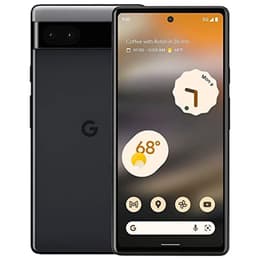

Galaxy S21 5G Vs Google Pixel 6A

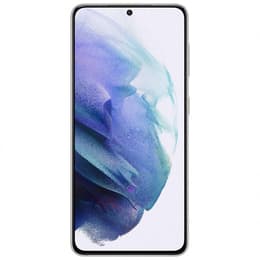
Galaxy S21 5G
Galaxy S21 5G
Starting at

Refurbished price:£128.00

Versus £829.00 new

See options
Google Pixel 6A
Google Pixel 6A
Starting at

Refurbished price:£107.00

Versus £459.00 new

See options

Ratings

The Samsung Galaxy S21 5G, released in early 2021, and the Google Pixel 6A, launched in mid-2022, represent two distinct approaches to the Android smartphone experience. While the Galaxy S21 was designed as a premium flagship with high-end display and camera hardware, the Pixel 6A arrived as a streamlined device focusing on Google’s software intelligence and photography processing. Both devices run the Android operating system, though they offer different user interfaces: Samsung’s feature-rich One UI and Google’s minimalist Pixel experience.

The primary difference between these two handsets lies in their hardware priorities. The Galaxy S21 offers a more advanced screen and a versatile triple-camera setup, whereas the Pixel 6A prioritises a simplified user experience and efficient software-driven photography. Despite their different release years, both remain relevant for users seeking reliable performance in a compact form factor.

Scores

Durability

The Galaxy S21 5G and Google Pixel 6A offer different trajectories for long-term use based on their release dates and manufacturer support policies.

  • Software Support: The Galaxy S21 was released with a commitment to four years of major operating system updates and five years of security patches. Since it launched in 2021, its official support window is naturally closer to its conclusion than the Pixel 6A, which arrived a year later with a similar five-year security update promise.
  • Physical Build: The Galaxy S21 features a more robust front glass for scratch resistance, while the Pixel 6A uses a standard durable glass. Both devices utilize a plastic rear panel and an aluminium frame, providing a balance between weight and resilience against accidental drops.
  • Sustainability: Choosing a quality-assured refurbished option for either model helps extend the lifecycle of these electronics, reducing environmental impact while maintaining reliable performance for several more years.

Year of Release

2021

2022

Compatible with latest Update

Yes

Yes

OS

Android

Android

Foldable

No

No

Performance

Everyday responsiveness and multitasking capabilities differ between these two handsets due to their internal configurations and memory management.

  • Multitasking and Memory: The Galaxy S21 is equipped with more system memory, which allows it to keep more applications open in the background without needing to reload them. This makes it particularly effective for users who frequently switch between demanding apps or use split-screen modes for productivity.
  • Processing Power: The Pixel 6A utilizes a custom-designed processor focused on machine learning and voice recognition, making tasks like live translation and voice-to-text feel very fluid. The Galaxy S21 uses a high-performance processor that excels in gaming and heavy productivity tasks, maintaining a snappy feel even during intensive use.
  • Battery Longevity: In typical daily scenarios, the Pixel 6A features a larger battery capacity which often translates to more consistent all-day usage for moderate users. The Galaxy S21 offers efficient power management but may require more frequent charging for those who utilize its high-refresh-rate features constantly.

Memory (GB)

8 GB

6 GB

Screen quality

The viewing experience is one of the most significant points of divergence between the Galaxy S21 and the Pixel 6A, affecting everything from gaming to reading.

  • Motion Smoothness: The Galaxy S21 features a display capable of a 120Hz refresh rate, which makes scrolling through social media feeds and system animations appear twice as smooth as the standard 60Hz screen found on the Pixel 6A.
  • Display Technology: Both phones use OLED technology, providing deep blacks and high contrast. However, the Galaxy S21 uses a more advanced panel that reaches higher peak brightness levels, making the screen significantly easier to read when used outdoors under direct sunlight.
  • Size and Clarity: The screens are nearly identical in size, with the Galaxy S21 at 6.2 inches and the Pixel 6A at 6.1 inches. Both offer sharp resolutions that make text and images look crisp, though the Galaxy S21 has slightly thinner borders around the display for a more modern look.

Resolution

1080 x 2400

1080 x 2400

Screen type

Dynamic AMOLED 2X

OLED

Audiovisual

Photography enthusiasts will find that these devices prioritise different aspects of the mobile imaging experience through their hardware and software choices.

  • Lens Versatility: The Galaxy S21 includes a dedicated telephoto lens, allowing for clear zoomed-in photos of distant subjects. The Pixel 6A lacks a zoom lens, relying instead on digital cropping, though it matches the S21 with a high-quality ultra-wide lens for capturing expansive landscapes.
  • Image Processing: Google’s Pixel 6A is renowned for its software-driven photography, often producing more natural skin tones and excellent high-contrast shots with minimal effort from the user. The Galaxy S21 tends to produce more vibrant, saturated colours that many users find appealing for social media sharing.
  • Video and Audio: The Galaxy S21 supports higher resolution video recording and offers more manual controls for creators. Both devices feature stereo speakers, but the Galaxy S21 generally provides a slightly fuller sound profile for watching videos or listening to podcasts without headphones.

Main camera

12 megapixels

12.2 megapixels

Front camera

10 megapixels

8 megapixels

Miscellaneous

Practical daily interactions and physical handling are influenced by the specific hardware choices of each manufacturer, from security to connectivity.

  • Biometrics and Security: The Galaxy S21 uses an ultrasonic fingerprint sensor located under the glass, which is often praised for its speed and reliability even with wet fingers. The Pixel 6A uses an optical sensor that shines a light to read the fingerprint, which is functional but generally slightly slower in comparison.
  • Connectivity: Both smartphones are fully compatible with 5G networks, ensuring fast mobile data speeds where available. They both utilize USB-C for charging and data transfer, though neither includes a traditional 3.5mm headphone jack, requiring wireless headphones or an adapter.
  • Portability: The Pixel 6A is slightly heavier and thicker than the Galaxy S21, giving it a more substantial feel in the hand. The Galaxy S21 is remarkably slim and light for its class, making it a comfortable choice for users who prefer one-handed operation.

Weight

169 g

250 g

Screen size (in)

6.2

6.1

Mobile network

5G

5G

SIM card

Dual Physical SIM + eSIM

Physical SIM + eSIM

Carrier compatibility

Unlocked

Unlocked

User feedback from community forums highlights a clear divide in preference based on specific needs. The Galaxy S21 5G is frequently praised for its smooth 120Hz display and the flexibility of its triple-camera system, particularly the zoom lens. However, some users note that the battery life can be inconsistent during heavy gaming or intensive use. On the other hand, the Pixel 6A receives significant acclaim for its reliable camera performance and the clean, helpful software features that Google provides. A common criticism of the Pixel 6A is its slower screen refresh rate and the optical fingerprint sensor, which some find less consistent than the Samsung alternative.

Users who prioritise a premium display experience, smoother animations, and the ability to zoom in on subjects will likely find the Galaxy S21 5G better suited to their lifestyle. Conversely, users who value a straightforward, intelligent software experience and consistent photo quality without needing to adjust settings may lean toward the Pixel 6A. Both devices remain capable choices in the current market, especially when considered as an eco-friendly alternative through a sustainable choice like a refurbished model. Ultimately, the decision rests on whether one values the hardware versatility of the Samsung or the software simplicity of the Google experience.


See all articles

Our recent comparisons