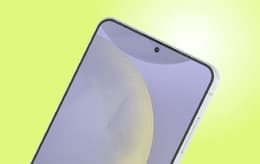
Galaxy S21 5G Vs Galaxy S24

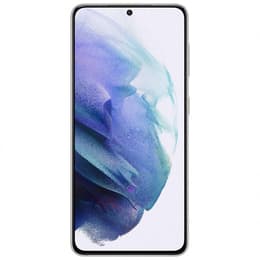
Galaxy S21 5G
Galaxy S21 5G
Starting at

Refurbished price:£133.00

Versus £829.00 new

See options
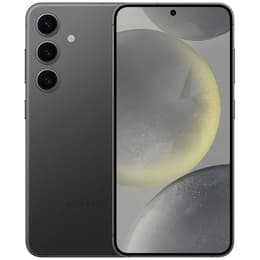
Galaxy S24
Galaxy S24
Starting at

Refurbished price:£273.00

Versus £817.67 new

See options

Ratings

The Samsung Galaxy S21 5G, released in January 2021, and the Samsung Galaxy S24, launched in January 2024, represent different generations within Samsung's flagship smartphone series. While both devices operate on the Android platform and share a similar design philosophy, the Galaxy S24 introduces advancements in processing power, display technology, and extended software support, setting it apart from its predecessor. This comparison aims to highlight the practical differences to help users determine which device aligns best with their needs.

Scores

Durability

When considering the practical lifespan of these devices, their release timelines and Samsung's software support policies are key factors.

  • Release Timeline and Software Support: The Galaxy S21 5G, released in early 2021, has reached the end of its official software and security update cycle as of early 2026, typically receiving four major Android OS updates and five years of security patches. [10, 18, 35] In contrast, the Galaxy S24, launched in early 2024, benefits from Samsung's extended commitment, promising seven years of major Android OS updates and security updates, extending its support well into 2031. [2, 3, 14, 29]
  • Expected Practical Lifespan: For users prioritizing long-term software support and access to the latest features and security patches, the Galaxy S24 offers a significantly longer practical lifespan. The Galaxy S21 5G, while still functional, will no longer receive regular updates, which could impact its compatibility with future applications and its overall security over time. [10, 35]
  • Durability Features: Both models feature an IP68 rating for dust and water resistance, indicating protection against immersion in up to 1.5 meters of fresh water for up to 30 minutes. [22, 19] The Galaxy S21 5G utilizes Corning Gorilla Glass Victus for screen protection, while the newer Galaxy S24 features the slightly more advanced Corning Gorilla Glass Victus 2, offering enhanced resistance to drops and scratches. [2, 39]

Year of Release

2021

2024

Compatible with latest Update

Yes

Yes

OS

Android

Android

Foldable

No

No

Performance

The performance capabilities of the Galaxy S21 5G and Galaxy S24 show a notable progression, primarily due to advancements in internal components.

  • Processor Capabilities: The Galaxy S21 5G is powered by a processor that, at its release, offered robust performance for everyday tasks and demanding applications. [4, 7] The Galaxy S24, however, incorporates a newer generation processor, providing a more responsive user experience, faster app loading times, and smoother multitasking, particularly with more intensive applications and gaming. [1, 2, 5] This newer processor also enables advanced on-device AI features. [1]
  • System Responsiveness and Multitasking: Both devices offer 8GB of RAM in their base configurations, which is sufficient for handling multiple applications simultaneously. [4, 7, 19] However, the Galaxy S24's more efficient processor architecture contributes to a generally snappier overall system responsiveness and better sustained performance during prolonged heavy use.
  • Storage Options: Both models offer various internal storage options, typically starting from 128GB and going up to 256GB or 512GB, providing ample space for apps, photos, and videos. Neither device includes a microSD card slot for expandable storage. [4, 7, 11, 19]

Memory (GB)

8 GB

8 GB

Screen quality

The visual experience on both smartphones is delivered through high-quality displays, though the Galaxy S24 introduces several enhancements.

  • Display Technology and Clarity: Both the Galaxy S21 5G and Galaxy S24 feature Dynamic AMOLED 2X displays, known for their vibrant colors, deep blacks, and excellent contrast. [6, 7, 11, 22, 39] The Galaxy S24 maintains a similar Full HD+ resolution to the S21 5G, ensuring sharp and clear visuals for typical viewing distances. [5, 6, 19]
  • Brightness Levels: A significant difference lies in brightness. The Galaxy S21 5G offers a peak brightness of up to 1300 nits, which is adequate for most outdoor conditions. [6, 39] The Galaxy S24, however, boasts a substantially higher peak brightness of 2600 nits, making it considerably easier to view content clearly even in direct sunlight. [2, 17, 25, 40]
  • Refresh Rate and Smoothness: Both devices feature a 120Hz adaptive refresh rate for smooth scrolling and fluid animations. The Galaxy S21 5G's display can adapt between 48Hz and 120Hz. [38] The Galaxy S24 improves upon this with a more dynamic LTPO panel that can scale down to 1Hz, which can contribute to power efficiency when a high refresh rate is not needed. [2, 40]

Resolution

1080 x 2400

1080 x 2340

Screen type

Dynamic AMOLED 2X

Dynamic LTPO AMOLED 2X

Audiovisual

Both the Galaxy S21 5G and Galaxy S24 offer versatile camera systems, with the newer model featuring updated sensors and enhanced processing.

  • Rear Camera System: The Galaxy S21 5G features a triple-lens setup with a 12MP main wide-angle sensor, a 64MP telephoto lens offering 3x hybrid zoom, and a 12MP ultra-wide lens. [4, 7, 12] The Galaxy S24 also has a triple camera system, but it upgrades the main sensor to 50MP, alongside a 12MP ultra-wide and a 10MP telephoto lens with 3x optical zoom. [1, 2, 15, 19] While the S24's main sensor has a higher megapixel count, both typically output 12MP images by default, benefiting from pixel-binning technology. [15]
  • Photography Performance: The Galaxy S21 5G was praised for its video capabilities and good performance in various lighting conditions, though some users noted a lack of fine detail compared to rivals. [12, 21, 27, 32] The Galaxy S24 offers improved imaging algorithms and generally produces crisp, vibrant images with good detail across different lighting scenarios. [1, 15] Its ultra-wide lens captures more detail, and the 3x telephoto is noted for being very usable. [15, 24]
  • Video Recording and Front Camera: Both devices are capable of recording high-resolution video, including 8K on the S21 5G. [4, 21] The Galaxy S24 enhances video capabilities with features like 4K 120fps slow-motion recording. [24] For selfies, the Galaxy S21 5G has a 10MP front camera, while the Galaxy S24 features a 12MP front camera with autofocus, contributing to sharper self-portraits. [7, 19, 24]

Main camera

12 megapixels

50 megapixels

Front camera

10 megapixels

12 megapixels

Miscellaneous

Beyond core performance and display, several practical elements differentiate these two Samsung Galaxy smartphones.

  • Connectivity and Ports: Both devices support 5G connectivity, ensuring access to the latest mobile network speeds. [4, 7, 19] They also feature modern Wi-Fi standards, with the Galaxy S24 supporting Wi-Fi 6E for potentially faster and more stable wireless connections compared to the Galaxy S21 5G's Wi-Fi 6. [2, 5, 7] Both utilize a USB-C port for charging and data transfer, and neither includes a traditional 3.5mm headphone jack. [4, 17]
  • Biometric Security: For secure unlocking, both models incorporate an in-display ultrasonic fingerprint sensor. The Galaxy S24 also offers enhanced facial recognition capabilities. [2, 19]
  • Design and Dimensions: The Galaxy S21 5G measures 151.7 x 71.2 x 7.9 mm and weighs 169 grams. [11, 22] The Galaxy S24 is slightly more compact and lighter at 147 x 70.6 x 7.6 mm and 168 grams, offering a marginally more streamlined feel. [2, 5, 16, 19] Both feature premium build materials, though the S21 5G has a plastic back, while the S24 typically uses a more refined finish. [21, 25]

Weight

169 g

167 g

Width

7.12 cm

7,06 cm

Height

15.17 cm

14,7 cm

Depth

0.79 cm

0,76 cm

Screen size (in)

6.2

6.2

Mobile network

5G

5G

SIM card

Dual Physical SIM + eSIM

Dual Physical SIM + eSIM

Carrier compatibility

Unlocked

Unlocked

The Samsung Galaxy S21 5G and Galaxy S24 offer distinct propositions for users in the smartphone market. The Galaxy S21 5G, while an older model, was well-regarded for its capable camera system, particularly its video recording features, and a design that many users appreciated. [10, 12, 21] However, its software support has officially concluded, meaning it will no longer receive the latest Android versions or regular security updates. [10, 18, 35]

The Galaxy S24, as a newer generation device, brings significant upgrades. Its extended software support of seven years for both OS and security updates is a major advantage for users seeking longevity from their device. [2, 14, 29] It also features a more powerful processor for smoother performance, a considerably brighter and more adaptive display, and an enhanced camera system with improved algorithms and a higher-resolution main sensor. [1, 2, 15, 25] User feedback for the S24 often highlights its vibrant display, swift performance, and the introduction of AI features, though some users have expressed desires for even longer battery life. [1, 13, 20, 31]

Users prioritizing the absolute latest software, cutting-edge performance, and a device that will remain updated for many years will find the Galaxy S24 to be a more suitable choice. Its brighter screen also benefits those who frequently use their phone outdoors. Conversely, individuals who are content with a still-capable device for everyday tasks and do not require the newest software features or extended updates might consider the Galaxy S21 5G. For those looking for a more sustainable choice, both models are available as quality-assured refurbished options, providing an eco-friendly alternative to purchasing new.

See all articles

Our recent comparisons