
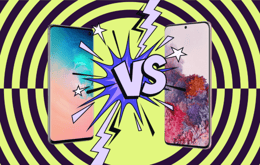
Galaxy S20 5G Vs iPhone X

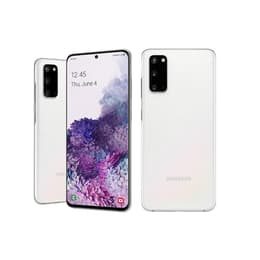
Galaxy S20 5G
Galaxy S20 5G
Starting at

Refurbished price:£133.00

Versus £899.00 new

See options
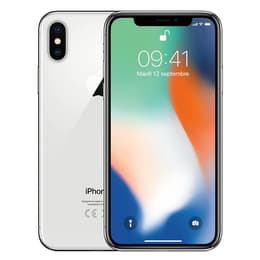
iPhone X
iPhone X
Starting at

Refurbished price:£90.00

Versus £449.00 new

See options

Ratings

The Samsung Galaxy S20 5G, released in early 2020, and the Apple iPhone X, launched in late 2017, represent two different eras of smartphone technology. While the iPhone X was a pioneer in bezel-less design and facial recognition, the Galaxy S20 5G arrived three years later with significant advancements in display smoothness and mobile connectivity. These devices operate on distinct ecosystems—Android and iOS respectively—offering different user experiences in terms of interface customisation and app integration. Choosing between them involves weighing the benefits of a more modern feature set against a classic, compact design that remains functional for everyday tasks.

Scores

Durability

The three-year age gap between these devices significantly impacts their expected lifespan and software compatibility in the current year.

  • Software support: The iPhone X has concluded its cycle of major operating system updates, meaning it no longer receives the latest features from Apple, though it continues to get critical security patches. In contrast, the Galaxy S20 5G supports more recent versions of Android, providing a longer window of compatibility with modern applications and services.
  • Hardware longevity: Both phones feature glass and metal constructions that require careful handling. However, the Galaxy S20 5G benefits from newer internal components that are less likely to struggle with the demands of future software updates compared to the older architecture of the iPhone X.
  • Repairability: Both manufacturers offer established repair networks, though the iPhone X's older internal layout is well-documented by independent technicians. The Galaxy S20 5G uses more modern, integrated components that may require specialised tools for screen or battery replacements, but parts remain widely available.

Year of Release

2020

2017

Compatible with latest Update

No

No

OS

Android

iOS

Foldable

No

No

Performance

The Galaxy S20 5G and iPhone X offer different levels of responsiveness based on their internal hardware and the era they were designed for.

  • Multitasking and speed: The Galaxy S20 5G is built to handle intensive multitasking and demanding modern apps with ease, thanks to a significant amount of temporary memory that keeps background tasks running smoothly. The iPhone X remains capable for daily essentials like messaging and browsing, but users may notice slower loading times when switching between several large applications simultaneously.
  • Battery endurance: With a larger physical battery capacity, the Galaxy S20 5G generally supports a full day of moderate use more reliably than the iPhone X. The iPhone X, having a smaller battery and older power management technology, may require more frequent charging, especially for users who consume a lot of video content or use navigation apps.
  • Storage flexibility: The Galaxy S20 5G provides the option to expand storage via a memory card, allowing for more photos and videos without relying on cloud services. The iPhone X is limited to its internal capacity, requiring users to manage their files more closely.

Memory (GB)

12 GB

3 GB

Screen quality

Display technology saw a major shift between the release of these two models, particularly regarding how smoothly motion appears on the screen.

  • Fluidity and motion: The Galaxy S20 5G features a high refresh rate, which makes scrolling through social media feeds and navigating menus feel exceptionally fluid. The iPhone X uses a standard refresh rate that, while clear and responsive, does not offer the same level of visual smoothness during fast movement or gaming.
  • Display size and clarity: The Galaxy S20 5G offers a larger 6.2-inch viewing area with a small camera cutout, providing an immersive experience for media. The iPhone X has a more compact 5.8-inch screen with a noticeable notch at the top, which some users find less distracting for one-handed use but offers less screen real estate for videos.
  • Outdoor visibility: Both devices utilise OLED technology for deep blacks and high contrast, but the Galaxy S20 5G is capable of reaching higher brightness levels, making it easier to read under direct sunlight compared to the iPhone X.

Resolution

1440 x 3200

1125 x 2436

Screen type

Dynamic AMOLED 2X

Super Retina OLED

Audiovisual

The camera systems on these devices reflect the rapid evolution of mobile photography between 2017 and 2020.

  • Versatility: The Galaxy S20 5G includes a triple-lens system with a dedicated high-resolution telephoto lens and an ultra-wide lens, allowing users to capture expansive landscapes or zoom in on distant subjects with significant detail. The iPhone X features a dual-lens setup that handles standard portraits well but lacks the wide-angle perspective found on the Samsung.
  • Video capabilities: For those interested in video, the Galaxy S20 5G supports extremely high-resolution recording and advanced stabilisation features. The iPhone X provides stable 4K recording that remains natural-looking, though it lacks the advanced zoom and low-light enhancements of the newer model.
  • Low-light performance: The Galaxy S20 5G uses more modern sensors to pull in more light, resulting in clearer photos in dim environments. The iPhone X can struggle in very dark settings, often producing images with more visual noise compared to its younger rival.

Main camera

12 megapixels

12 megapixels

Front camera

10 megapixels

7 megapixels

Miscellaneous

Practical features like connectivity and security methods differ greatly between these two generations of smartphones.

  • Network connectivity: A primary difference is the inclusion of 5G in the Galaxy S20, which allows for much faster data speeds in supported areas. The iPhone X is limited to 4G LTE, which is still widely available but cannot match the peak speeds of the newer standard for downloading large files or streaming high-definition content.
  • Security and access: The iPhone X relies on facial recognition technology for unlocking the device, which is highly secure and convenient for many. The Galaxy S20 5G uses an ultrasonic fingerprint sensor built directly into the screen, offering a different way to access the phone that works even when wearing a mask or sunglasses.
  • Physical dimensions: The iPhone X is slightly shorter and easier to grip for those with smaller hands. The Galaxy S20 5G is taller but maintains a slim profile, making it comfortable to hold while providing a larger display for reading and media consumption.

Weight

163 g

174 g

Width

6,91 cm

7,09 cm

Height

15,17 cm

14,36 cm

Depth

0,79 cm

0,77 cm

Screen size (in)

6.2

5.8

Mobile network

5G

4G

SIM card

Dual Physical SIM

Physical SIM

Carrier compatibility

Unlocked

Unlocked

Connector

USB-C

Lightning

User consensus on these two devices often highlights the trade-off between modern features and classic reliability. On community forums, the Galaxy S20 5G is frequently praised for its vibrant, smooth display and the flexibility of its camera system. However, some users note that the high refresh rate can impact battery life if not managed carefully. The iPhone X is often remembered as a landmark device with a build quality that many still find appealing today. Its main criticisms usually revolve around its ageing battery and the fact that it no longer supports the latest software versions, which can lead to some apps eventually losing compatibility.

For users who prioritise high-speed 5G connectivity, a larger screen for media, and more versatile photography, the Galaxy S20 5G aligns well with those needs. Conversely, users who prefer a more compact device and are comfortable with a simpler, established operating system for basic daily tasks may find the iPhone X suitable. Choosing a quality-assured refurbished option for either of these models is a sustainable choice that helps reduce electronic waste while providing a reliable mobile experience. Ultimately, the decision rests on whether you value the technological advancements of a 2020 flagship or the straightforward, iconic design of the 2017 iPhone. As an eco-friendly alternative, both devices remain functional choices for different types of users in the current year.

See all articles

Our recent comparisons