Galaxy S10 Vs iPhone 8 Plus

Galaxy S10
Galaxy S10
Starting at

Refurbished price:£108.00

Versus £639.00 new

See options
iPhone 8 Plus
iPhone 8 Plus
Starting at

Refurbished price:£82.00

Versus £249.00 new

See options

Ratings

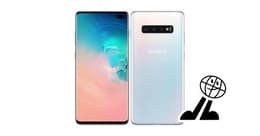
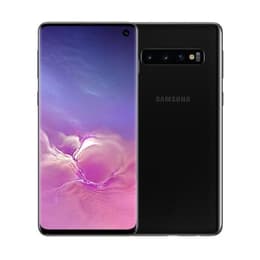
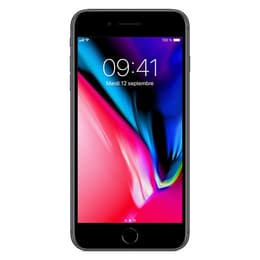
The Samsung Galaxy S10, released in March 2019, and the Apple iPhone 8 Plus, launched in September 2017, represent flagship smartphones from their respective manufacturers. While both devices offer a premium experience, they differ significantly in their operating systems, display technologies, and camera capabilities. The Galaxy S10 runs on Android, featuring a modern, edge-to-edge display, while the iPhone 8 Plus operates on iOS, retaining a more traditional design with a physical home button.

Scores

Durability

When considering the longevity of these devices, several factors come into play, including their release timelines, software support, and repairability.

  • Release Timeline: The Galaxy S10 was released in March 2019, making it two years newer than the iPhone 8 Plus, which launched in September 2017. This difference in age impacts their remaining software support windows.
  • Software Longevity: The Galaxy S10 received major Android OS updates up to Android 12 and was promised three years of major OS updates and four years of security updates, with some security patches extending into 2024 or 2025 depending on the region. The iPhone 8 Plus received major iOS updates up to iOS 16, which was released in September 2022, providing approximately five to six years of full software upgrades. It continues to receive security updates for older iOS versions.
  • Repairability: The iPhone 8 Plus generally offers better repairability with an iFixit score of 6 out of 10, indicating that components like the display and battery are relatively straightforward to access. In contrast, the Galaxy S10 received a lower iFixit repairability score of 3 out of 10, largely due to extensive use of adhesive and soldered components, making repairs more challenging.

Year of Release

2019

2017

Compatible with latest Update

No

No

OS

Android

iOS

Foldable

No

No

Performance

The performance of a smartphone is largely determined by its internal components and how efficiently its operating system utilizes them for daily tasks and demanding applications.

  • Processor Capabilities: The Galaxy S10 is equipped with a newer generation processor, which allows it to handle demanding applications and multitasking smoothly. The iPhone 8 Plus features a capable processor that delivers a responsive user experience for its generation.
  • Multitasking and Responsiveness: With 8GB of RAM, the Galaxy S10 offers substantial capacity for multitasking, allowing users to switch between numerous applications without significant slowdowns. The iPhone 8 Plus, with 3GB of RAM, provides a fluid experience for typical daily usage, though it may manage fewer active applications in memory compared to the S10.
  • Battery Behavior: The Galaxy S10 has a 3400 mAh battery, which users report can last through a full day of moderate use, though heavy users might consider a battery replacement for optimal performance in older units. The iPhone 8 Plus, with a 2691 mAh battery, was noted by users for its good battery life for its time, often lasting a full day for casual users.

Memory (GB)

8 GB

3 GB

Screen quality

The visual experience on a smartphone is heavily influenced by its display technology, resolution, and overall brightness.

  • Display Technology and Clarity: The Galaxy S10 features a 6.1-inch Dynamic AMOLED display with a resolution of 1440 x 3040 pixels, offering vibrant colors, deep blacks, and excellent contrast. The iPhone 8 Plus has a 5.5-inch IPS LCD display with a resolution of 1080 x 1920 pixels, known for its accurate color reproduction and good viewing angles.
  • Brightness and Outdoor Visibility: The Dynamic AMOLED screen of the Galaxy S10 provides high brightness levels, making it comfortable for outdoor use and direct sunlight. The iPhone 8 Plus's LCD screen also offers good brightness, and its True Tone technology adjusts the display's color temperature to match ambient lighting for a more natural viewing experience.
  • Screen Size and Viewing Experience: The Galaxy S10's larger 6.1-inch display, combined with its minimal bezels and punch-hole camera design, offers a more immersive viewing experience. The iPhone 8 Plus, with its 5.5-inch screen and traditional bezels, provides a comfortable viewing area, particularly for users accustomed to a physical home button.

Resolution

1440 x 3040

1080 x 1920

Screen type

Dynamic AMOLED

Retina IPS LCD

Audiovisual

Both devices offer capable camera systems, but they approach photography with different hardware configurations and software enhancements.

  • Rear Camera System: The Galaxy S10 features a versatile triple-camera setup on the rear, including a 12MP wide-angle lens, a 12MP telephoto lens, and a 16MP ultrawide lens, providing flexibility for various shooting scenarios. The iPhone 8 Plus comes with a dual 12MP rear camera system, consisting of a wide-angle lens and a telephoto lens, enabling features like Portrait Mode with optical zoom.
  • Photography Performance: In good lighting conditions, the Galaxy S10 takes solid photos with its main and ultrawide cameras, and its video recording is smooth with decent stabilization. The iPhone 8 Plus also delivers strong image quality in well-lit environments, with users noting similar daytime outdoor performance to much newer models for subjects at close to medium distances.
  • Front Camera and Video Quality: The Galaxy S10 has a 10MP front-facing camera, capable of capturing detailed selfies. The iPhone 8 Plus features a 7MP front camera. Both devices are capable of recording 4K video, with the iPhone 8 Plus supporting 4K at up to 60 frames per second.

Main camera

12 megapixels

12 megapixels

Front camera

10 megapixels

7 megapixels

Miscellaneous

Beyond core specifications, practical elements like connectivity, physical ports, and biometric security contribute to the overall user experience.

  • Connectivity and Ports: The Galaxy S10 supports modern Wi-Fi standards and Bluetooth, and notably includes a 3.5mm headphone jack and a USB-C port. The iPhone 8 Plus supports Wi-Fi and Bluetooth 5.0, utilizing a Lightning port for charging and data transfer, and does not feature a headphone jack.
  • Biometric Security: The Galaxy S10 introduced an ultrasonic in-display fingerprint sensor for secure unlocking. The iPhone 8 Plus relies on a reliable front-mounted Touch ID fingerprint sensor integrated into its home button.
  • Design and Handling: Both phones feature a glass front and back with an aluminum frame. The Galaxy S10 has a more contemporary design with curved edges and a higher screen-to-body ratio. The iPhone 8 Plus has a more traditional design, which some users find comfortable for one-handed operation and appreciate the physical home button.

Weight

175 g

202 g

Screen size (in)

6.1

5.5

Mobile network

4G

4G

SIM card

Physical SIM

Physical SIM

Carrier compatibility

Unlocked

Unlocked

Connector

USB-C + Jack 3.5mm

Lightning

The Samsung Galaxy S10 and iPhone 8 Plus, while both capable smartphones, cater to different user preferences due to their distinct ecosystems and design philosophies. Users often praise the Galaxy S10 for its vibrant AMOLED display, versatile triple camera system, and the inclusion of a headphone jack and expandable storage, features that have become less common in newer devices. Some common criticisms for the S10 include its repairability challenges and the cessation of major Android updates.

The iPhone 8 Plus is frequently lauded for its robust build quality, reliable Touch ID, and the consistent performance offered by the iOS ecosystem. Users appreciate its straightforward operation and the long-term software support for security updates. However, its more traditional design with larger bezels and the absence of a headphone jack are sometimes noted as drawbacks.

Users prioritizing a modern, expansive display, a versatile camera setup with an ultrawide lens, and the flexibility of the Android operating system may find the Galaxy S10 well-suited to their needs. Those who value the consistent performance and long-term security updates of iOS, a physical home button with reliable fingerprint authentication, and a more compact form factor might lean toward the iPhone 8 Plus. Both devices offer a solid foundation for daily use, and choosing a quality-assured refurbished option for either model can be an eco-friendly alternative to purchasing new.


See all articles

Our recent comparisons