
Samsung
Compare models
Differences at a glance
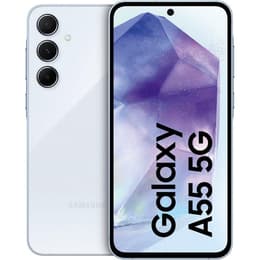
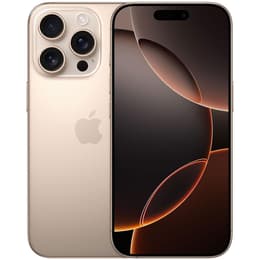
The Samsung Galaxy A55, released in March 2024, and the iPhone 16 Pro, launched in September 2024, represent distinct offerings in the smartphone market. While the Galaxy A55 operates on Android, providing a customizable experience, the iPhone 16 Pro runs on Apple's iOS, known for its integrated ecosystem. These devices cater to different user preferences, with the Galaxy A55 focusing on a balanced feature set and the iPhone 16 Pro emphasizing advanced performance and camera capabilities.
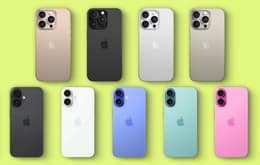
Colour
Storage
When considering the long-term usability of these devices, their release timelines and software support policies are key differentiators. The Galaxy A55, launched in March 2024, is expected to receive four major Android OS upgrades and five years of security updates from Samsung. [6, 33, 35, 36, 41] The iPhone 16 Pro, released in September 2024, typically benefits from Apple's longer software support, often extending to five or six years of major iOS updates. [1]
Year of Release
Compatible with latest Update
Foldable
The performance of the Galaxy A55 and iPhone 16 Pro varies significantly due to their underlying hardware and software optimizations. The Galaxy A55 is powered by an Exynos 1480 processor, while the iPhone 16 Pro features Apple's A18 Pro chip. [4, 7, 11, 13, 16, 19, 20, 25, 27, 32, 39, 42]
Both smartphones offer vibrant displays, but they differ in technology, resolution, and overall viewing experience. The Galaxy A55 features a Super AMOLED display, while the iPhone 16 Pro utilizes a Super Retina XDR OLED panel. [1, 10, 11, 13, 16, 17, 19, 20, 25, 27, 34, 38, 42]
Resolution
Screen type
The camera systems on the Galaxy A55 and iPhone 16 Pro are designed with different strengths, catering to various photography and videography needs. Both offer multi-lens setups for versatility. [1, 9, 11, 13, 16, 18, 19, 21, 24, 27, 30, 40, 42, 43]
Main camera
Front camera
Beyond core performance and display, several practical elements contribute to the overall user experience of these smartphones. These include connectivity, physical design, and security features. [1, 10, 11, 13, 16, 19, 25, 27, 38]
Weight
Screen size (in)
Mobile network
SIM card
Carrier compatibility
Connector
User feedback for the Samsung Galaxy A55 often praises its balanced performance for daily tasks, its vibrant display, and its robust battery life, with many users reporting it lasts a full day of heavy use. [2, 22, 26, 31] Some common criticisms include its camera performance not matching flagship devices in all scenarios and some reviews noting the display colors can appear muted compared to other mid-range phones. [23, 28] The iPhone 16 Pro receives acclaim for its powerful processor, advanced camera system, and improved battery life over its predecessor. [3, 5, 8, 14, 15, 17] However, some users on forums have noted that despite improvements, heavy usage can still necessitate more frequent charging, and some find the telephoto camera less capable than the main lens. [12, 37, 44]
Users prioritizing a highly integrated ecosystem, top-tier performance for demanding applications, and advanced photography and videography features may find the iPhone 16 Pro well-suited to their needs. Its longer software support also appeals to those seeking extended device longevity. Conversely, users who value a customizable Android experience, expandable storage, and a strong all-around performance for everyday use will find the Galaxy A55 a compelling option. It offers a solid balance of features for general smartphone use.
For those considering either device, exploring quality-assured refurbished options can provide an eco-friendly alternative, allowing access to these technologies while making a sustainable choice.