Galaxy A33 5G Vs Sony Xperia 1 IV

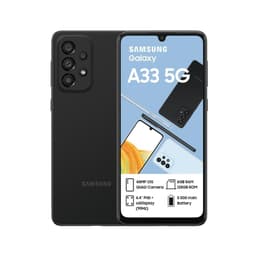
Galaxy A33 5G
Galaxy A33 5G
Starting at

Refurbished price:£98.00

Versus £389.00 new

See options
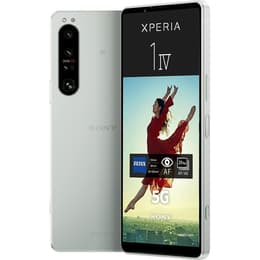
Sony Xperia 1 IV
Sony Xperia 1 IV
Starting at

Refurbished price:£346.00

Versus £1,500.00 new

See options

Ratings

The Samsung Galaxy A33 5G and the Sony Xperia 1 IV are both Android smartphones released in 2022, yet they cater to different user expectations and priorities. While the Galaxy A33 5G focuses on delivering a balanced experience within a more accessible segment, the Sony Xperia 1 IV is positioned as a high-end device, emphasizing advanced multimedia capabilities and a premium user experience. Both devices run on the Android operating system, offering a familiar interface with their respective manufacturer customizations.

Scores

Durability

When considering the long-term usability of these devices, several factors come into play, including software support, physical resilience, and ease of repair.

  • Software Longevity: The Samsung Galaxy A33 5G, released in March 2022, was launched with Android 12 and is promised four generations of Android updates, extending its software support significantly, potentially up to Android 16, along with five years of security updates. The Sony Xperia 1 IV, released in May 2022, also launched with Android 12 but typically receives fewer major OS updates, likely concluding its major Android version support around Android 14.
  • Physical Durability: The Galaxy A33 5G features a Gorilla Glass 5 front, with a plastic back and frame, and carries an IP67 rating for dust and water resistance, meaning it can withstand submersion in up to 1 meter of freshwater for 30 minutes. The Xperia 1 IV offers a more robust build with Gorilla Glass Victus on both the front and back, complemented by an aluminum frame, and boasts an IP65/IP68 rating, indicating higher resistance to dust and water.
  • Repairability: The Samsung Galaxy A33 5G has a repairability score of 7.75 out of 10, suggesting it is relatively straightforward to disassemble for repairs, with components like the battery being accessible with some effort. Information regarding the specific repairability score for the Sony Xperia 1 IV is less commonly published, but its flagship design often implies a more complex internal structure.

Year of Release

2022

2022

Compatible with latest Update

Yes

No

OS

Android

Android

Foldable

No

No

Performance

The performance of a smartphone is crucial for daily tasks, from browsing to demanding applications and gaming. Both devices offer capable hardware, but with distinct levels of processing power.

  • Processing Power: The Galaxy A33 5G is equipped with an octa-core processor designed for efficient everyday use, handling common applications and multitasking smoothly. The Xperia 1 IV, on the other hand, integrates a more powerful, current-generation octa-core processor, which provides a significant boost in performance, making it well-suited for intensive tasks like high-fidelity gaming, 4K video editing, and running multiple demanding applications simultaneously without noticeable slowdowns.
  • Memory and Storage: The Galaxy A33 5G typically comes with 6GB or 8GB of RAM and 128GB or 256GB of internal storage, with the option to expand storage via a microSD card up to 1TB. The Xperia 1 IV offers a more generous 12GB of RAM and storage options of 256GB or 512GB, also expandable via microSD up to 1TB. The higher RAM in the Xperia 1 IV contributes to smoother multitasking and app retention.
  • Battery Life: Both smartphones feature a 5000 mAh battery capacity, which generally translates to a full day of use for most users. The Galaxy A33 5G supports 25W fast charging, while the Xperia 1 IV supports 30W fast charging, along with the added convenience of Qi wireless charging and reverse wireless charging.

Memory (GB)

6 GB

12 GB

Screen quality

The display is a primary interface for any smartphone, and both models offer distinct visual experiences.

  • Display Technology and Resolution: The Galaxy A33 5G features a 6.4-inch Super AMOLED display with a Full HD+ resolution (1080x2400 pixels), providing vibrant colors and deep blacks suitable for everyday content consumption. The Xperia 1 IV boasts a 6.5-inch 4K HDR OLED display (3840x1644 pixels) with a 21:9 aspect ratio, offering exceptional sharpness and detail, particularly beneficial for high-resolution media and professional content creation.
  • Refresh Rate and Brightness: The Galaxy A33 5G offers a 90Hz refresh rate, contributing to smoother scrolling and a more fluid user interface compared to standard 60Hz displays. It also achieves a peak brightness of around 800 nits. The Xperia 1 IV elevates this with a 120Hz refresh rate, further enhancing visual fluidity, and its OLED panel is noted for improved brightness, making it more comfortable to view in bright outdoor conditions.
  • Screen Protection: The Galaxy A33 5G's display is protected by Corning Gorilla Glass 5, offering a good level of scratch and drop resistance. The Xperia 1 IV utilizes the more advanced Corning Gorilla Glass Victus for its display, providing enhanced durability against drops and scratches.

Resolution

1080 x 2400

1644 x 3840

Screen type

Super AMOLED

OLED

Audiovisual

Camera capabilities are a significant consideration for many users, and these two phones approach photography and videography with different strengths.

  • Rear Camera Systems: The Galaxy A33 5G features a versatile quad-camera setup, including a 48MP main sensor with optical image stabilization (OIS), an 8MP ultrawide lens, a 5MP macro lens, and a 2MP depth sensor. This configuration is designed for a range of everyday photography. The Xperia 1 IV offers a triple 12MP camera system, distinguished by its professional-grade features. It includes a main sensor with OIS, an ultrawide lens, and a unique telephoto lens with true optical zoom (85-125mm) and OIS, allowing for lossless magnification. All three cameras benefit from ZEISS T* coating for reduced reflections.
  • Photography and Video Features: The Galaxy A33 5G provides solid performance for general photography, with OIS aiding in clearer low-light shots and stable videos up to 4K at 30 frames per second. The Xperia 1 IV excels in advanced videography, capable of recording 4K HDR video at up to 120 frames per second across all its rear lenses, and includes features like Real-Time Eye AF and Real-Time Tracking for precise focus on moving subjects. Its dedicated Photography Pro and Cinematography Pro apps offer extensive manual controls.
  • Front Camera and Audio: For selfies and video calls, the Galaxy A33 5G has a 13MP front camera. The Xperia 1 IV features a 12MP front camera. In terms of audio, the Galaxy A33 5G includes stereo speakers, while the Xperia 1 IV offers dual front-facing stereo speakers and retains a 3.5mm headphone jack, which is absent on the A33 5G.

Main camera

48 megapixels

12 megapixels

Front camera

13 megapixels

12 megapixels

Miscellaneous

Beyond core specifications, several practical elements contribute to the overall user experience.

  • Connectivity: Both devices support 5G connectivity for faster mobile data speeds. The Galaxy A33 5G includes Wi-Fi 802.11 a/b/g/n/ac (dual-band) and Bluetooth 5.1. The Xperia 1 IV steps up with Wi-Fi 6 (802.11ax) and Bluetooth 5.2, offering potentially faster and more stable wireless connections. Both also feature NFC for contactless payments.
  • Ports and Sensors: The Galaxy A33 5G uses a USB-C 2.0 port for charging and data transfer and features an in-display optical fingerprint sensor. The Xperia 1 IV comes with a faster USB-C 3.2 port and a side-mounted fingerprint sensor. Notably, the Xperia 1 IV also includes a 3.5mm headphone jack, a feature not present on the Galaxy A33 5G.
  • Design and Handling: The Galaxy A33 5G measures 159.7 x 74 x 8.1 mm and weighs 186g, featuring a plastic back and frame. The Xperia 1 IV is slightly taller and narrower at 165 x 71 x 8.2 mm and weighs 185g, with a more premium glass back and aluminum frame. The Xperia's 21:9 aspect ratio makes it taller and narrower, which can affect one-handed use for some, while the A33 5G offers a more conventional feel.

Weight

186 g

185 g

Screen size (in)

6.4

6,5

Mobile network

5G

5G

SIM card

Dual Physical SIM

Physical SIM + eSIM

Carrier compatibility

Unlocked

Unlocked

Connector

USB-C

USB-C + Jack 3.5mm

The Samsung Galaxy A33 5G and the Sony Xperia 1 IV offer distinct propositions in the smartphone market, each excelling in different areas. User feedback for the Galaxy A33 5G often praises its vibrant AMOLED display, reliable battery life, and extended software support, making it a solid choice for everyday use. Some users note that while its performance is adequate for most tasks, it may not match the speed of higher-end devices for very demanding applications. The absence of a 3.5mm headphone jack is also a point of consideration for some.

Conversely, the Sony Xperia 1 IV is frequently lauded for its unique 4K OLED display, advanced camera system with true optical zoom, and the inclusion of a 3.5mm headphone jack, appealing to multimedia enthusiasts and those who value granular control over their photography and videography. Criticisms sometimes point to its higher-end performance potentially leading to thermal management considerations during prolonged heavy use, and its taller form factor might not suit all users for one-handed operation.

Users prioritizing long-term software updates, a balanced feature set for daily tasks, and a robust, repairable design may find the Samsung Galaxy A33 5G well-suited to their needs. It represents a practical and enduring choice for those seeking a reliable smartphone experience. For individuals who prioritize cutting-edge display technology, a highly versatile and professional-grade camera system, superior audio options, and a premium build, the Sony Xperia 1 IV stands out. It is designed for creators and consumers who demand the best in mobile multimedia. Both devices, whether new or as quality-assured refurbished options, provide excellent pathways to making an informed and sustainable choice.


See all articles

Our recent comparisons