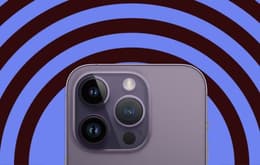
Galaxy A23 5G Vs iPhone 14 Pro Max

Galaxy A23 5G
Galaxy A23 5G
Starting at

Refurbished price:£100.00

Versus £300.00 new

See options
iPhone 14 Pro Max
iPhone 14 Pro Max
Starting at

Refurbished price:£327.00

Versus £1,199.00 new

See options

Ratings

The Samsung Galaxy A23 5G and the iPhone 14 Pro Max both entered the market in 2022, representing two distinct approaches to the modern smartphone experience. While the Galaxy A23 5G is designed as a versatile and functional device within the Android ecosystem, the iPhone 14 Pro Max serves as a high-performance flagship running iOS. These devices cater to different user needs, with one focusing on practical utility and expandable features, while the other emphasises advanced display technology and high-speed processing capabilities.

The primary differentiators between these models are their build philosophy and internal performance headroom. The Galaxy A23 5G offers a flexible user experience with features like expandable storage, whereas the iPhone 14 Pro Max provides a more integrated, high-power environment. Both devices remain relevant in 2026, offering reliable connectivity and modern software features that support a wide range of daily tasks, from professional productivity to casual media consumption.

Scores

Durability

The long-term viability of these devices is shaped by their original hardware standards and the software support cycles provided by their respective manufacturers.

  • Software Longevity: The iPhone 14 Pro Max typically benefits from an extended support window, with Apple often providing major operating system updates for six to seven years from the release date. In contrast, the Galaxy A23 5G generally receives four years of security updates, meaning its software lifecycle is shorter but still sufficient for several years of reliable use.
  • Physical Resilience: The iPhone 14 Pro Max is constructed with a stainless steel frame and a Ceramic Shield front, providing high resistance to scratches and structural stress. The Galaxy A23 5G uses a durable polycarbonate body that is resilient against impacts and less prone to shattering than glass-backed alternatives, though it lacks the official water and dust resistance ratings found on the iPhone.
  • Repair Accessibility: Both smartphones have widely available replacement parts, but the Galaxy A23 5G features a more modular internal design that can simplify certain repairs, such as screen or battery replacements, for independent technicians.

Year of Release

2022

2022

Compatible with latest Update

Yes

Yes

OS

Android

iOS

Foldable

No

No

Performance

Performance levels on these 2022 models differ based on how they handle intensive multitasking and demanding applications over time.

  • System Responsiveness: The iPhone 14 Pro Max is engineered for high-demand tasks, allowing users to edit high-resolution video, play graphically intensive games, and switch between dozens of apps without any noticeable lag. The Galaxy A23 5G provides a stable experience for everyday activities like web browsing and social media, though it may show slower loading times when opening large files or complex applications.
  • Multitasking and Memory: With efficient memory management, the iPhone keeps background apps ready for instant access, while the Galaxy A23 5G manages standard multitasking well but may occasionally refresh background apps more frequently during heavy use.
  • Battery and Storage: The Galaxy A23 5G offers the significant advantage of a microSD card slot, allowing users to expand their storage capacity easily. The iPhone 14 Pro Max relies on fixed internal storage but compensates with highly efficient power management that ensures the battery lasts through a full day of intensive professional use.

Memory (GB)

4 GB

6 GB

Screen quality

The visual experience on these devices is defined by different panel technologies that impact colour reproduction, brightness, and motion fluidity.

  • Display Technology: The iPhone 14 Pro Max features an advanced OLED display that produces deep blacks and vibrant colours, making it ideal for high-quality media consumption. The Galaxy A23 5G utilises a clear LCD panel that provides natural colour tones and good clarity for reading and general navigation.
  • Brightness and Visibility: For outdoor use, the iPhone 14 Pro Max reaches very high brightness levels, ensuring the screen remains legible even in direct sunlight. The Galaxy A23 5G offers sufficient brightness for most environments, though users might find it more challenging to view in extremely bright outdoor conditions.
  • Refresh Rates: Both devices support a 120Hz refresh rate, which ensures that scrolling through lists and navigating the interface feels smooth and responsive to the touch. The iPhone also includes an "Always-On" feature, allowing users to see the time and notifications at a glance without waking the device.

Resolution

1080 x 2408

1290 x 2796

Screen type

PLS LCD

LTPO Super Retina XDR OLED

Audiovisual

Photography and video capabilities are a major point of distinction, with each device offering a different set of tools for capturing images.

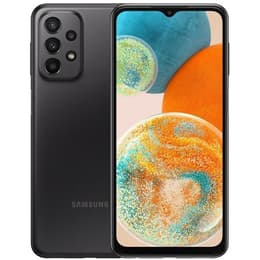
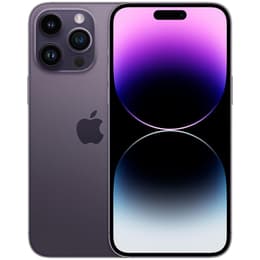
  • Image Detail and Low Light: The iPhone 14 Pro Max uses a sophisticated triple-lens system with a large main sensor that captures significant detail and performs exceptionally well in low-light settings. The Galaxy A23 5G features a quad-camera setup that delivers sharp photos in daylight and includes a dedicated macro lens for close-up photography.
  • Video Features: For video creators, the iPhone provides advanced stabilisation and cinematic modes that mimic professional film techniques. The Galaxy A23 5G offers reliable 1080p video recording with electronic stabilisation, which is well-suited for video calls and sharing moments on social platforms.
  • Audio Capture: The iPhone 14 Pro Max is equipped with a multi-microphone array that filters out background noise for clearer voice recordings and calls. The Galaxy A23 5G provides clear audio for standard communication, ensuring that users are heard clearly during standard phone calls and voice memos.

Main camera

50 megapixels

48 megapixels

Front camera

8 megapixels

12 megapixels

Miscellaneous

Practical design choices, such as port types and biometric security, influence how these phones fit into a user's daily routine and existing accessory ecosystem.

  • Connectivity and Ports: The Galaxy A23 5G includes a traditional 3.5mm headphone jack and a universal USB-C port, making it compatible with a wide range of wired accessories. The iPhone 14 Pro Max uses the Lightning connector and requires adapters or wireless solutions for audio, though it supports fast wireless charging standards.
  • Biometric Security: Users of the Galaxy A23 5G can utilise a responsive side-mounted fingerprint sensor for quick access. The iPhone 14 Pro Max employs secure facial recognition technology, which provides a hands-free way to unlock the device and authenticate apps in various lighting conditions.
  • Weight and Handling: The iPhone 14 Pro Max has a substantial feel due to its metal and glass construction, which some users find reassuringly solid. The Galaxy A23 5G is lighter, making it more comfortable for users who prefer a device that is easier to hold and operate with one hand for long periods.

Weight

197 g

120 g

Screen size (in)

6.6

6.7

Mobile network

5G

5G

SIM card

Dual Physical SIM

Physical SIM + eSIM

Carrier compatibility

Unlocked

Unlocked

Connector

USB-C + Jack 3.5mm

Lightning

In summary, the Samsung Galaxy A23 5G and the iPhone 14 Pro Max offer distinct advantages depending on user priorities. Based on common feedback from user forums, the Galaxy A23 5G is frequently praised for its long-lasting battery and the flexibility provided by its expandable storage and headphone jack. Some users, however, note that its plastic build and LCD screen are more aligned with standard utility than high-end media consumption. The iPhone 14 Pro Max receives consistent acclaim for its powerful performance and exceptional display quality, though its weight and the lack of a physical SIM slot in certain regions are common points of discussion.

Users who prioritise a customisable Android experience, expandable storage for large media libraries, and a lighter physical footprint will find the Galaxy A23 5G to be a practical and reliable choice. Conversely, those who require high-speed processing for creative tasks, a more vibrant OLED display for entertainment, and the longest possible software support window will likely prefer the iPhone 14 Pro Max. For those looking to make a sustainable choice, opting for a quality-assured refurbished option is an eco-friendly alternative that ensures these capable devices remain in use. Ultimately, both smartphones are highly functional in 2026, and choosing a sustainable choice like a refurbished model helps reduce environmental impact while providing a thoroughly tested device. Both models stand as strong examples of 2022 technology that continues to serve modern needs effectively.

See all articles

Our recent comparisons