
Samsung
Compare models
Differences at a glance
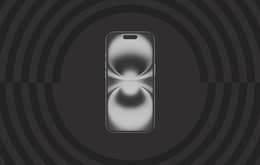
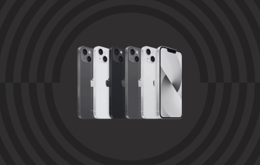
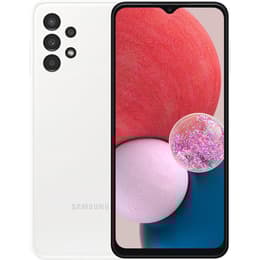
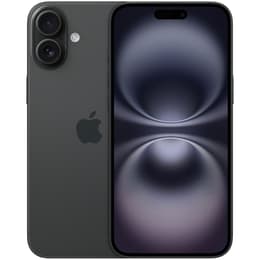
The Samsung Galaxy A13 (2022) and the iPhone 16 Plus (2024) represent distinct approaches to smartphone design and functionality, catering to different user priorities. While the Galaxy A13 offers a foundational Android experience, the iPhone 16 Plus delivers a premium iOS ecosystem with advanced features. These devices differ significantly in their core capabilities, display technology, and overall user experience, reflecting their respective market segments and release timelines.
Colour
Storage
The longevity of a smartphone is influenced by its release date, software support, and physical durability. These two devices offer different expectations in terms of how long they will remain current and functional.
Year of Release
Compatible with latest Update
Foldable
Performance is a key differentiator, with the internal components dictating how smoothly applications run, how quickly tasks are completed, and the overall responsiveness of the device.
The display is the primary interface for user interaction, and both devices offer different visual experiences based on their underlying technology and specifications.
Resolution
Screen type
Camera capabilities are a significant factor for many users, and these two smartphones offer different photographic and videographic experiences.
Main camera
Front camera
Beyond the core components, several practical features and design elements contribute to the overall user experience and daily usability of these devices.
Weight
Screen size (in)
Mobile network
SIM card
Carrier compatibility
The Samsung Galaxy A13 and iPhone 16 Plus cater to distinct user needs, largely defined by their generational gap and operating system ecosystems. User sentiment for the Galaxy A13 often highlights its robust battery life and expandable storage as practical advantages for everyday use. However, common criticisms point to its slower performance and basic camera capabilities, particularly in challenging lighting conditions. Users generally find it a functional device for essential tasks, web browsing, and social media, especially for those who do not require high-end processing power or advanced photographic features. [3, 4, 20]
The iPhone 16 Plus, being a much newer device, receives praise for its powerful performance, advanced camera system with features like Spatial video, and its vibrant OLED display. Its integration with Apple Intelligence and the long-term software support are also significant advantages. A frequent point of discussion, however, is its 60Hz display, which some users note as a limitation compared to many contemporary Android devices that offer higher refresh rates. [39]
Users prioritizing a long-lasting device with consistent software updates, a premium build, and advanced camera and processing capabilities will find the iPhone 16 Plus well-suited to their needs. Its ecosystem integration and high performance make it ideal for demanding applications, creative tasks, and those who value cutting-edge technology. Conversely, users who prioritize a straightforward smartphone experience, extended battery life, and the flexibility of expandable storage, and who primarily engage in less intensive tasks, may find the Galaxy A13 to be a practical choice. It serves as a reliable option for those seeking core smartphone functionalities without the need for the latest advancements.
For consumers considering either of these devices, exploring quality-assured refurbished options can provide an eco-friendly alternative, extending the life cycle of these electronics while offering a more sustainable choice.