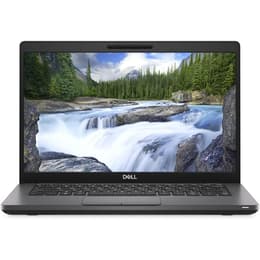
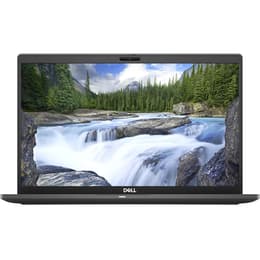

Dell Latitude 5400 14" Vs Dell Latitude 7410 14"

Dell Latitude 5400 14"
Starting at

Refurbished price:£161.00

Versus £1,427.00 new

See options
Dell Latitude 7410 14"
Starting at

Refurbished price:£187.00

Versus £671.28 new

See options

Ratings

The Dell Latitude 5400 and Dell Latitude 7410 are 14-inch business-oriented laptops, released in 2019 and 2020 respectively. Both devices run on the Windows operating system, offering a familiar experience for productivity and general use. The primary distinctions between these models lie in their internal components, display options, and overall design refinements, catering to slightly different user priorities.

Scores

Durability

When considering the longevity of these laptops, their release timelines and design philosophies offer different practical lifespans.

  • Release Timeline: The Latitude 5400, launched in 2019, precedes the Latitude 7410, which was released in 2020. This difference means the 7410 will generally receive software updates and security patches for a slightly longer period, extending its supported lifespan.
  • OS Support & Repairability: Both models are compatible with Windows 11, ensuring continued operating system support for the foreseeable future. The Latitude 5400 typically features user-upgradeable RAM via SODIMM slots, which can extend its practical usability by allowing for memory expansion. In contrast, the Latitude 7410 often has its RAM soldered to the motherboard, limiting future upgrade options.
  • Durability Standards: Both laptops are built to withstand typical business use, having passed MIL-STD-810G tests for durability against various environmental conditions.

Year of Release

2017

2020

Last Os Compatibility

Yes

Yes

OS

Windows 11

Windows 11

Performance

The performance of these laptops is influenced by their internal hardware, impacting how smoothly they handle daily tasks and more demanding applications.

  • Processing Power: The Latitude 5400 is equipped with 8th generation Intel processors, while the Latitude 7410 features 10th generation Intel processors. While the 7410's newer generation processors offer a measurable increase in single-core and multi-threading performance, the real-world difference for typical office applications and multitasking is often described as marginal.
  • Storage and Responsiveness: Both models utilize fast NVMe PCIe M.2 SSDs for storage, contributing to quick boot times and responsive application loading. Storage capacities are available up to 1TB across both devices.
  • Multitasking Capability: The Latitude 5400 offers RAM configurations up to 32GB or 64GB, with the flexibility of two SODIMM slots for potential upgrades. The Latitude 7410 also supports up to 32GB of DDR4 RAM, but it is frequently soldered, which means users cannot easily upgrade it later.

Memory (GB)

8 GB

8 GB

Processor

Core i5 - Gen 8 (U)

Core i5 - Gen 10 (U)

Graphic card

Integrated Graphics

Integrated Graphics

Screen quality

The visual experience on these laptops varies, primarily due to differences in display technology and brightness levels.

  • Display Technology and Resolution: Both the Latitude 5400 and 7410 offer 14-inch Full HD (1920x1080) displays, with anti-glare properties. The 5400 typically uses an IPS panel. The 7410 also offers a 4K UHD (3840x2160) display option, providing a significantly sharper image.
  • Brightness for Viewing: The Latitude 5400's display is often noted for being dim, typically around 220 nits, which can affect visibility in brightly lit environments. The Latitude 7410 generally features brighter screens, with some configurations offering up to 400 nits, improving outdoor usability and overall visual clarity.
  • Screen Size and Experience: Both laptops maintain a 14-inch screen size, providing a balanced viewing area for productivity. The 7410 features narrower bezels, contributing to a more modern appearance and a slightly more compact footprint for the same screen size.

Resolution

1366 x 768

1920 x 1080

Screen type

IPS

LCD

Camera

Audiovisual

For communication and media consumption, both laptops provide essential audio-visual components, with some distinctions in quality and features.

  • Webcam and Video Quality: Both models typically include a 720p HD webcam, suitable for standard video conferencing. The Latitude 7410 often integrates an IR camera for facial recognition, enhancing security and convenience.
  • Microphone Quality: The microphone quality on both devices is generally adequate for calls and voice recording in quiet environments.
  • Speaker Output: The speakers on both the 5400 and 7410 are designed for business use, providing clear audio for video calls and presentations. For immersive media consumption, external audio solutions might be preferred.
  • Additional Features: The 7410's webcam often includes a physical privacy shutter, a practical feature for users concerned about privacy.

Miscellaneous

Beyond core performance, several practical elements differentiate these two Latitude models, affecting connectivity, portability, and user interaction.

  • Connectivity Options: The Latitude 5400 includes an RJ-45 Ethernet port, which is a valuable feature for stable wired network connections. It also offers optional Thunderbolt 3. The Latitude 7410 features two Thunderbolt 3 (USB-C) ports, offering versatile high-speed connectivity and charging, and supports Wi-Fi 6 for faster wireless speeds.
  • Port Types: Both laptops provide multiple USB Type-A ports and an HDMI output. The 7410's HDMI 2.0 port offers greater bandwidth than the 5400's HDMI 1.4. The 7410 also dropped the proprietary AC adapter port in favor of a second Thunderbolt 3 port.
  • Weight and Dimensions: The Latitude 7410 is generally lighter, starting around 1.3 kg (2.9 lbs), compared to the Latitude 5400's approximate 1.48 kg (3.26 lbs). The 7410 also has a slightly more compact chassis due to narrower display bezels.
  • Security Features: Both models offer robust security features, including optional fingerprint readers and IR cameras for Windows Hello. The 7410's integration of these features is often more seamless.

Weight

1520 g

1330 g

Screen size

14

14

User feedback for the Dell Latitude 5400 often praises its robust build quality, comfortable keyboard, and long battery life, making it a dependable workhorse for everyday business tasks. However, a frequent criticism points to its dim display, which can hinder usability in bright environments.

The Dell Latitude 7410 is generally lauded for its more modern, compact design, brighter screen options, and enhanced connectivity with multiple Thunderbolt 3 ports. Users appreciate its premium feel and improved visual experience. Conversely, some users have reported concerns regarding the reliability of certain components, such as motherboard or RAM issues, and the fact that its RAM is often soldered, limiting future upgrades.

Users prioritizing a highly upgradeable system with a proven track record for durability and a wide array of legacy ports, including Ethernet, may find the Latitude 5400 well-suited to their needs. Those who value a more modern aesthetic, a brighter display, advanced USB-C connectivity, and a slightly lighter form factor might lean toward the Latitude 7410. For individuals seeking a quality-assured refurbished option, both models offer a sustainable choice for extending the life of electronic products.

See all articles

Our recent comparisons