
Compare models
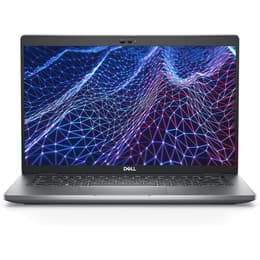
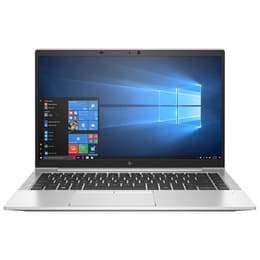
Dell Latitude 5430 14" Vs HP EliteBook 840 G7 14"
- 1-year minimum warranty
- Free delivery on all items
- Free 30-day returns
Differences at a glance
The Dell Latitude 5430 (2022) and the HP EliteBook 840 G7 (2020) are professional 14-inch laptops designed to support enterprise workers, students, and remote professionals. While both devices offer robust build quality and practical port selections, they stem from different release years, bringing variations in internal architecture and platform features. They both operate on modern desktop operating systems, though their hardware lifecycles and performance ceilings differ significantly based on their generational standing.
Available Models
Storage (GB)
Processor
Memory (GB)
Scores
Durability
When examining hardware longevity and software support, both enterprise notebooks offer solid foundations with distinct timelines regarding their active update paths.
- Release timeline and age: The HP EliteBook 840 G7 launched in 2020, positioning it earlier in the lifecycle, whereas the Dell Latitude 5430 arrived in 2022 with a newer hardware foundation.
- Software support duration: Both laptops support standard operating system upgrades seamlessly, but the newer Dell model maintains active firmware and driver updates from the manufacturer for a longer span.
- Repairability and lifespan: Both machines feature modular internal components that allow straightforward replacement of batteries and storage drives, making a quality-assured refurbished option a sustainable choice that extends device longevity.
Year of Release
2022
2019
OS
Windows 11
Windows 11
Performance
Daily responsiveness and multitasking capabilities vary primarily due to the generational gap between the internal components of each machine.
- Processor capabilities: Both devices handle everyday office applications, web browsing, and document editing smoothly, though the Dell Latitude 5430 benefits from a newer generation of processing architecture that handles heavy background tasks with increased efficiency.
- Memory and storage: Both models offer flexible configurations with user-upgradable storage drives and sufficient memory options to run multiple productivity applications simultaneously without noticeable lag.
- Battery behavior: Users report that both laptops comfortably get through a standard working day of moderate web usage and document creation, though intensive computing tasks will deplete the power reserves more quickly.
Graphic card
Integrated Graphics
Integrated Graphics
Screen quality
Visual workspace considerations remain central to 14-inch business laptops, balancing screen clarity, panel technology, and surface treatments.
- Display technology: Both laptops utilize standard high-definition panels with anti-glare matte coatings that reduce reflections under harsh office lighting or near windows.
- Brightness and clarity: The displays offer adequate brightness levels for indoor environments and shaded outdoor spaces, rendering text crisp and spreadsheets easy to read during extended viewing sessions.
- Refresh rate and interaction: Both screens operate at standard refresh rates suited for general productivity, web browsing, and media streaming rather than specialized creative work or high-speed gaming.
Audiovisual
Audio-visual communication tools and multimedia features cater heavily to modern remote collaboration and virtual meetings.
- Camera capabilities: Both laptops feature integrated webcams positioned above the screen, providing clear video quality for routine conference calls and virtual classrooms under standard lighting conditions.
- Audio output: The built-in stereo speakers deliver clear voice frequencies for dialogue during meetings, while secondary media consumption benefits from external headphones or speakers for richer bass.
- Microphone performance: Integrated array microphones capture speech clearly while minimizing background room noise, ensuring reliable audio transmission during professional discussions.
Miscellaneous
Physical design elements and connection standards shape how each portable notebook integrates into diverse mobile workspaces.
- Port selection: Both laptops provide robust physical connectivity, including traditional USB ports, modern Type-C connections, and video output ports for external monitors without requiring immediate adapters.
- Mobility and dimensions: Weighing similarly around the 1.4 kilogram mark with slim 14-inch form factors, both devices fit easily into backpacks and travel bags for daily commuters.
- Security features: Both models incorporate enterprise-grade security options such as integrated fingerprint readers and infrared cameras for facial recognition login support.
Weight
1360 g
2500 g
Screen size
14
14
What the community thinks
Users discussing these business laptops on community forums frequently praise the HP EliteBook 840 G7 for its solid aluminum chassis, comfortable keyboard layout, and reliable everyday performance during standard office tasks. Common discussions surrounding the Dell Latitude 5430 often highlight its modern internal architecture and efficient thermal management during extended multitasking sessions. However, some users note that fan noise can become noticeable under heavy workloads on both machines, and battery capacity naturally diminishes over years of continuous usage.
Users prioritizing extended hardware support and newer generation processing efficiency may prefer the Dell Latitude 5430, while users seeking a sturdy, reliable machine for standard administrative tasks may lean toward the HP EliteBook 840 G7. Selecting a quality-assured refurbished option for either model provides an eco-friendly alternative that reduces electronic waste while delivering reliable daily performance.