Dell Latitude 5300 13" Vs Dell Latitude 7410 14"

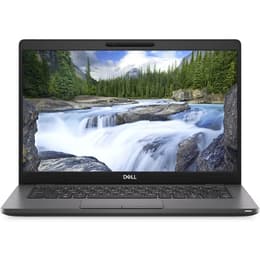
Dell Latitude 5300 13"
Starting at

Refurbished price:£149.00

Versus £1,489.00 new

See options
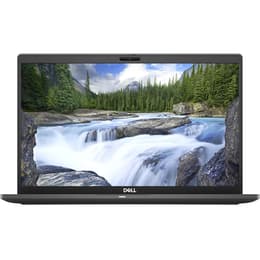
Dell Latitude 7410 14"
Starting at

Refurbished price:£187.00

Versus £671.28 new

See options

Ratings

The Dell Latitude 5300 13, released around 2019, and the Dell Latitude 7410 14, introduced in 2020, are business-oriented laptops designed for productivity and portability. While both offer robust features for professional use, the Latitude 7410 generally presents a more refined design and updated internal components, including a newer generation of processors and enhanced display options. Both models operate on Windows, providing a familiar user experience for business environments.

Scores

Durability

Evaluating the practical lifespan of these business laptops involves considering their release timelines, software support, and ease of maintenance.

  • Release Timeline: The Latitude 5300 13 debuted in 2019, making it an earlier model compared to the Latitude 7410 14, which was released in 2020. This difference means the Latitude 7410 benefits from a slightly longer expected period of official software and driver support from Dell.
  • Software Longevity: Dell typically provides several years of driver and firmware support for its business-class laptops, generally extending for 5-7 years from the release date. Both models are primarily designed for Windows, ensuring ongoing operating system updates.
  • Repairability: The Latitude 5300 13 offers user-accessible RAM slots, allowing for potential memory upgrades, and its battery and SSD are replaceable. The Latitude 7410 14 also features customer-replaceable units (CRUs) for components like the battery and SSD, but its RAM is often soldered, which limits upgrade options.

Year of Release

2019

2020

Last Os Compatibility

Yes

Yes

OS

Windows 11

Windows 11

Performance

The performance of these laptops is a key differentiator, impacting how smoothly they handle daily tasks and more demanding applications.

  • Processor Capabilities: The Latitude 5300 13 typically features 8th Generation Intel Core processors, which provide reliable performance for general business applications and multitasking. The Latitude 7410 14, on the other hand, is equipped with 10th Generation Intel Core processors, offering a noticeable improvement in processing power and efficiency for more intensive workloads.
  • Multitasking and Responsiveness: Both laptops are capable of handling multiple applications simultaneously. The Latitude 5300 13 supports up to 32GB of DDR4 RAM with two user-accessible slots, allowing for memory expansion to enhance multitasking capabilities. The Latitude 7410 14 also offers up to 32GB of DDR4 RAM, but its memory is often soldered, meaning users should consider their RAM needs at the time of purchase.
  • Storage Options: Both models utilize fast M.2 PCIe NVMe SSDs, providing quick boot times and rapid application loading. Storage capacities can range up to 1TB or more, accommodating significant amounts of data.
  • Battery Behavior: The Latitude 5300 13, with its 42Wh battery, has been noted for good battery life, with some reports indicating extended usage for web browsing and video playback. The Latitude 7410 14 offers larger battery options (52WHr and 68WHr) and has demonstrated strong endurance, often lasting through a full workday, especially with its low-power display configurations.

Memory (GB)

8 GB

8 GB

Processor

Core i5 - Gen 8 (U)

Core i5 - Gen 10 (U)

Graphic card

Integrated Graphics

Integrated Graphics

Screen quality

The visual experience on these laptops varies, primarily due to differences in display technology, resolution options, and design.

  • Display Technology and Resolution: The Latitude 5300 13 typically features a 13.3-inch Full HD (1920 x 1080) IPS anti-glare display, offering good viewing angles and color reproduction. The Latitude 7410 14 provides more diverse options, including Full HD panels and a premium 4K UHD (3840x2160) low-power, low-blue-light display with higher brightness.
  • Brightness and Clarity: The Latitude 5300 13's Full HD IPS panel generally offers a brightness of around 300 nits, suitable for indoor use. The Latitude 7410 14's 4K display option boasts up to 400 nits brightness, which, combined with its anti-glare properties, enhances visibility in varied lighting conditions, including outdoors.
  • Screen Size and Design: The Latitude 5300 13 has a 13.3-inch screen, providing a compact form factor. The Latitude 7410 14 features a larger 14-inch display within a relatively compact chassis due to narrower bezels, offering a more expansive viewing area without significantly increasing the laptop's overall footprint.

Resolution

1920 x 1080

1920 x 1080

Screen type

IPS

LCD

Camera

Audiovisual

For professional communication and media consumption, the audio and visual components are important considerations.

  • Webcam Quality: Both laptops include integrated webcams suitable for video conferencing. The Latitude 7410 14 features a 720p HD webcam, often with IR facial recognition, and is noted for performing well in daylight conditions, with good autofocus. It also includes a physical privacy shutter. Information on the Latitude 5300 13's webcam quality is less detailed, but it features a standard-positioned camera.
  • Microphone and Speaker Output: The Latitude 7410 14 is equipped with dual array microphones and stereo speakers, providing clear audio for calls and media. The Latitude 5300 13 also offers standard audio output, with user feedback generally indicating satisfactory sound for business use.
  • Media Consumption Experience: The larger and potentially higher-resolution display options of the Latitude 7410 14, especially the 4K panel, coupled with its stereo speakers, can offer a more immersive experience for consuming multimedia content compared to the Latitude 5300 13.

Miscellaneous

Beyond core performance and display, several practical features contribute to the overall user experience and suitability for different work styles.

  • Connectivity Options: The Latitude 5300 13 supports Wi-Fi 6, Bluetooth 5, and optional LTE-A for robust wireless connectivity. The Latitude 7410 14 also includes Wi-Fi 6 (802.11ax) and Bluetooth 5.1, with an optional LTE module offering 5G capabilities for advanced mobile networking.
  • Port Selection: The Latitude 5300 13 offers a comprehensive set of ports, including USB-A, USB-C with optional Thunderbolt 3, HDMI, Gigabit Ethernet, and a microSD card reader. The Latitude 7410 14 features two Thunderbolt 3 (USB-C) ports, HDMI 2.0, two USB 3.2 Gen 1 Type-A ports, and a microSD card slot, with USB-C charging.
  • Security Features: Both models incorporate security features essential for business environments. The Latitude 5300 13 includes an optional fingerprint reader integrated into the power button and an optional IR camera for Windows Hello. The Latitude 7410 14 also offers IR facial recognition for Windows Hello and an optional SmartCard reader.
  • Portability and Build: The Latitude 5300 13 is a compact 13.3-inch laptop, weighing around 1.24 kg and featuring a carbon fiber build for durability. The Latitude 7410 14, while slightly larger at 14 inches, maintains a relatively compact form factor and weighs around 1.33 kg, available in aluminum or carbon fiber chassis options, noted for its sturdy construction.

Weight

1370 g

1330 g

Screen size

13

14

The Dell Latitude 5300 13 and Latitude 7410 14 both serve as capable business laptops, each with distinct advantages that cater to different user priorities. User feedback for the Latitude 5300 13 often praises its compact and sturdy carbon fiber build, comfortable keyboard, and good battery life for its class. Some users, however, have noted that it can run warm and loud under heavy loads.

The Latitude 7410 14 is frequently lauded for its premium feel, attractive design with narrow bezels, and the option for a vibrant 4K display that doesn't significantly compromise battery life. Its enhanced performance from newer processors and advanced connectivity options are also common points of praise. Criticisms sometimes point to its slightly heavier build compared to some ultraportables and the soldered RAM, which limits future upgrades.

Users prioritizing a highly portable and upgradable device for everyday business tasks may find the Latitude 5300 13 well-suited to their needs, especially if they value the ability to expand RAM. Conversely, those who require more processing power, a larger and potentially higher-resolution display, and advanced connectivity for demanding workloads or multimedia consumption might lean towards the Latitude 7410 14. Both models represent reliable choices for professionals, and considering a quality-assured refurbished option can provide an eco-friendly alternative for acquiring these business-grade machines.


See all articles

Our recent comparisons