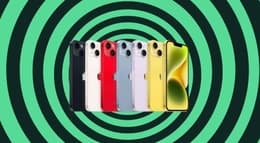
iPhone 12 Vs iPhone 14

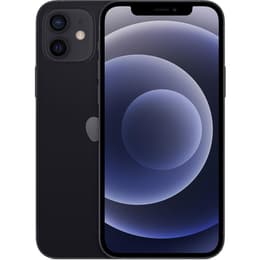
iPhone 12
iPhone 12
Starting at

Refurbished price:£140.00

Versus £649.00 new

See options
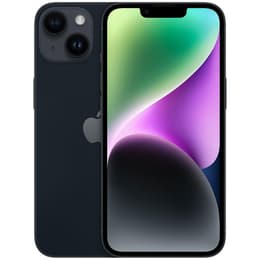
iPhone 14
iPhone 14
Starting at

Refurbished price:£233.00

Versus £599.00 new

See options

Ratings

The iPhone 12, released in 2020, and the iPhone 14, launched in 2022, are both prominent smartphones from Apple. While they share a similar design language and operate on the same iOS ecosystem, the iPhone 14 introduces a more advanced internal processor, significant camera enhancements, and additional safety features that distinguish it from its two-year-older counterpart. This comparison will help you understand their practical differences for everyday use.

Scores

Durability

When considering the longevity of these devices, their release timelines are a key factor.

  • Software Support: The iPhone 14, being two years newer, is expected to receive major iOS updates for approximately two years longer than the iPhone 12, extending its practical software lifespan.
  • Durability Features: Both models feature Apple's Ceramic Shield front cover for enhanced drop protection and are rated IP68 for water and dust resistance. The iPhone 14 also includes Crash Detection and Emergency SOS via Satellite (in supported regions), adding layers of safety.
  • Repairability: Both devices offer similar repairability scores, with common components being replaceable by trained technicians. However, the iPhone 14's extended software support means it will remain fully functional and secure for a longer period.

Year of Release

2020

2022

Compatible with latest Update

Yes

Yes

OS

iOS

iOS

Foldable

No

No

Performance

The internal components of these iPhones dictate their responsiveness and capability for various tasks.

  • Processor Performance: The iPhone 14 features a newer, more efficient processor compared to the iPhone 12. This translates to smoother operation, faster app loading, and more fluid multitasking, especially with demanding applications and games.
  • Battery Endurance: The iPhone 14 generally offers improved battery life, providing more screen-on time and requiring less frequent charging for most users throughout a typical day. The iPhone 12 still offers respectable battery performance, but heavy users may notice a difference.
  • Storage Options: Both models are available with various storage capacities, allowing users to choose based on their needs for apps, photos, and videos. The performance difference in accessing this storage is minimal for everyday use.

Memory

4 GB

6 GB

Screen quality

Both iPhones deliver excellent visual experiences, though with some distinctions in display technology.

  • Display Technology: Both the iPhone 12 and iPhone 14 utilize OLED displays, which provide deep blacks, high contrast, and vibrant colors, making content consumption enjoyable.
  • Brightness Levels: The iPhone 14 offers a higher typical peak brightness compared to the iPhone 12. This enhancement improves screen visibility, particularly when using the device outdoors or in brightly lit environments.
  • Resolution and Refresh Rate: Both models feature similar screen resolutions and pixel densities, ensuring sharp text and clear images. They both maintain a standard 60Hz refresh rate, providing a smooth but not exceptionally fluid scrolling experience.

Resolution

1170 x 2532

1170 x 2532

Screen type

Super Retina XDR OLED

Super Retina XDR OLED

Audiovisual

Camera capabilities are a significant differentiator, with the iPhone 14 bringing notable advancements.

  • Main Camera System: The iPhone 14 features a larger main camera sensor and a wider aperture than the iPhone 12, resulting in improved low-light performance and better detail capture. It also benefits from the Photonic Engine for enhanced image processing.
  • Video Recording: The iPhone 14 introduces Action Mode for incredibly stable handheld video, and its Cinematic Mode offers more refined depth-of-field effects compared to the iPhone 12. Both record high-quality 4K video.
  • Front Camera: The iPhone 14's front camera includes autofocus, which helps in capturing sharper selfies and clearer video calls, a feature not present on the iPhone 12.

Main camera

12 megapixels

12 megapixels

Front camera

12 megapixels

12 megapixels

Miscellaneous

Beyond core performance, several practical features contribute to the overall user experience.

  • Connectivity: Both the iPhone 12 and iPhone 14 support 5G cellular connectivity, along with modern Wi-Fi and Bluetooth standards, ensuring fast data speeds and reliable wireless connections.
  • Charging Port: Both devices continue to use Apple's proprietary Lightning port for charging and data transfer. Neither model includes a traditional 3.5mm headphone jack.
  • Biometric Security: Both iPhones rely on Face ID for secure facial recognition, enabling quick unlocking and secure payments. The iPhone 14 also integrates advanced internal sensors for its new safety features like Crash Detection.
  • Design and Handling: Both models share a flat-edged design with an aluminum frame. The iPhone 14 is marginally thicker and heavier due to its larger battery, but both offer a comfortable in-hand feel.

Weight

164 g

172 g

Screen size (in)

6.1

6.1

Network

5G

5G

SIM card

Physical SIM + eSIM

Physical SIM + eSIM

Carrier compatibility

Unlocked

Unlocked

Connector

Lightning

Lightning

User feedback often highlights the iPhone 12 as a highly capable and reliable device that still performs well for most daily tasks. Its main criticisms sometimes revolve around battery life for heavy users and its older camera technology compared to newer models. The iPhone 14, on the other hand, is praised for its significant camera improvements, better battery endurance, and the added peace of mind from its new safety features. Some users, however, noted that its overall performance upgrade from the iPhone 13 was incremental.

Users prioritizing an enhanced camera experience, longer battery life, and the latest safety innovations will find the iPhone 14 well-suited to their needs. It also offers a longer period of software support, making it a more future-proof choice. Conversely, users seeking a capable iPhone for everyday communication, social media, and general photography, who don't require the absolute latest features, may find the iPhone 12 to be a practical option. Both models are excellent choices, and opting for a quality-assured refurbished option can be an eco-friendly alternative to extend the life cycle of these devices.

See all articles

Our recent comparisons