iPhone 14 Pro Vs iPhone 15 Pro

iPhone 14 Pro
iPhone 14 Pro
Starting at

Refurbished price:£328.00

Versus £1,099.00 new

See options
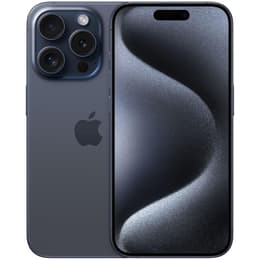
iPhone 15 Pro
iPhone 15 Pro
Starting at

Refurbished price:£393.00

Versus £999.00 new

See options

Ratings

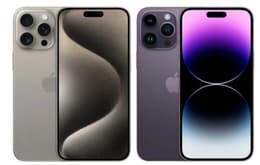
The iPhone 14 Pro, released in 2022, and the iPhone 15 Pro, launched in 2023, represent two consecutive generations of Apple's high-end smartphone series. While they share a similar aesthetic and core functionality, the transition from the 14 Pro to the 15 Pro introduced significant changes in materials, connectivity, and internal capabilities. Both devices operate on the iOS platform, ensuring a consistent user experience with access to the same ecosystem of apps and services, though the newer model offers slight advantages in long-term software compatibility and hardware versatility.

Scores

Durability

When evaluating how long these devices will remain functional and relevant, the release dates play a significant role in their expected software support cycles and physical resilience.

  • Software Longevity: The iPhone 15 Pro, being a year newer, is expected to receive iOS updates and security patches for at least one year longer than the iPhone 14 Pro. This makes it a slightly more future-proof option for users who plan to keep their device for five years or more.
  • Build Materials and Repair: The iPhone 14 Pro uses a stainless steel frame, which is highly resistant to scratches but adds significant weight. In contrast, the iPhone 15 Pro features a titanium frame and a redesigned internal structure that makes the back glass easier and more straightforward to replace if damaged, potentially lowering maintenance complexity.
  • Practical Lifespan: Both models are built to high standards with water and dust resistance, but the structural changes in the 15 Pro suggest a slight edge in terms of ease of repair over time, which can extend the practical life of the hardware.

Year of Release

2022

2023

Compatible with latest Update

Yes

Yes

OS

iOS

iOS

Foldable

No

No

Performance

Both smartphones provide a highly responsive experience, though the newer model introduces refinements that benefit specific types of power users and demanding applications.

  • System Responsiveness: The iPhone 15 Pro features updated internal components that handle demanding tasks, such as high-end mobile gaming or complex video editing, with greater efficiency and less heat generation than the iPhone 14 Pro. For everyday tasks like browsing and messaging, both feel equally fast and fluid.
  • Multitasking Capabilities: With an increase in temporary memory (RAM), the iPhone 15 Pro is better equipped to keep multiple large applications open in the background without needing to reload them, providing a smoother experience for heavy multitaskers who switch between apps frequently.
  • Battery and Storage: Both devices offer storage options ranging from 128GB to 1TB. While battery capacity is similar, the more efficient processor in the 15 Pro allows it to last slightly longer during intensive activities like video streaming or GPS navigation, though both easily last through a full day of standard use.

Memory

6 GB

8 GB

Screen quality

The display technology on both models is among the clearest available, utilizing advanced panels that offer deep blacks and high contrast for an immersive viewing experience.

  • Display Technology: Both devices use OLED screens with a high refresh rate, which means scrolling through menus and animations looks incredibly smooth. This technology also allows for an "always-on" feature, letting users see the time and notifications without waking the device.
  • Visual Clarity and Brightness: The screens are equally bright, making them easy to read even under direct sunlight. However, the iPhone 15 Pro features slightly thinner borders around the display, providing a marginally more immersive viewing experience within the same physical footprint.
  • Dynamic Island: Both models include the interactive cutout at the top of the screen, which changes shape to show background activities like music controls or timers, ensuring that the user interface feels modern and functional on both generations.

Resolution

1179 x 2556

1179 x 2556

Screen type

LTPO Super Retina XDR OLED

LTPO Super Retina XDR OLED

Audiovisual

Photography and video remain central to the Pro experience, with both models featuring a versatile three-lens system on the rear for professional-grade results.

  • Camera Capabilities: Both smartphones utilize a high-resolution 48-megapixel main sensor that captures significant detail. The iPhone 15 Pro introduces improved image processing, which helps in balancing light and shadow more naturally in difficult lighting conditions compared to the 14 Pro.
  • Video and Audio: For video creators, the iPhone 15 Pro offers more advanced recording formats that allow for greater flexibility during editing. Both devices feature high-quality microphones and stereo speakers that provide clear, balanced sound for calls and media consumption.
  • Zoom and Versatility: Both models offer a 3x optical zoom, allowing users to get closer to subjects without losing image quality. While the hardware is similar, the software refinements in the newer model result in slightly faster focus and better skin tone reproduction in portraits.

Main camera

48 megapixels

48 megapixels

Front camera

12 megapixels

12 megapixels

Miscellaneous

The most noticeable physical differences between these two generations are found in their ports, buttons, and overall weight, which impact daily handling.

  • Connectivity and Ports: The iPhone 14 Pro uses the traditional Lightning port, while the iPhone 15 Pro adopts the universal USB-C standard. This change allows for faster data transfer speeds and the ability to use the same cable for laptops, tablets, and other modern electronics.
  • Physical Controls: The 14 Pro features the classic ring/silent switch, whereas the 15 Pro introduces a customisable Action Button. This button can be programmed to open the camera, turn on the torch, or launch specific apps, offering more flexibility for personal shortcuts.
  • Weight and Handling: Due to the switch to titanium, the iPhone 15 Pro is noticeably lighter than the 14 Pro. This makes it more comfortable to hold for long periods and less bulky in a pocket, despite having almost identical dimensions.

Weight

206 g

187 g

Screen size (in)

6.1

6.1

Network

5G

5G

SIM card

Physical SIM + eSIM

Physical SIM + eSIM

Carrier compatibility

Unlocked

Unlocked

Connector

Lightning

USB-C

User consensus from various tech communities suggests that the iPhone 14 Pro remains a highly capable device, often praised for its substantial, solid feel and reliable performance. However, some users have noted that its weight can be tiring during extended use. The iPhone 15 Pro is frequently lauded for its lighter design and the convenience of the USB-C port, though some early adopters mentioned it could get warm during very intensive tasks before software updates addressed the issue.

Users who prioritize a lighter device and want to move toward a single-cable setup for all their electronics will find the iPhone 15 Pro aligns best with their needs. Those who prefer the feel of stainless steel or who already have a variety of Lightning-based accessories may find the iPhone 14 Pro to be a perfectly suitable choice. Choosing a quality-assured refurbished option for either model is an eco-friendly alternative that supports a more sustainable electronics cycle. Ultimately, the decision rests on whether the lighter titanium build and USB-C connectivity are essential for your daily routine, as both devices offer a top-tier smartphone experience that will remain relevant for years to come. Opting for a sustainable choice through refurbishment ensures you receive a high-performing device while reducing environmental impact.
See all articles

Our recent comparisons