
iPhone 11 Pro Vs iPhone 14 Pro Max

iPhone 11 Pro
iPhone 11 Pro
Starting at

£143.00

£639.00 new

See options
iPhone 14 Pro Max
iPhone 14 Pro Max
Starting at

£334.00

£1,199.00 new

See options

Ratings

The iPhone 11 Pro, released in 2019, and the iPhone 14 Pro Max, launched in 2022, represent different generations of Apple's premium smartphone line. While both operate on the iOS ecosystem, the iPhone 14 Pro Max introduces a larger form factor, significant advancements in display technology, camera capabilities, and overall performance, reflecting three years of technological evolution.

Scores

Durability

These devices differ considerably in their expected software longevity and physical durability features.

  • Software Support: The iPhone 11 Pro, being an older model, is nearing the end of its major iOS update cycle, likely receiving its last significant update around iOS 17 or 18. The iPhone 14 Pro Max, however, will continue to receive major iOS updates for several more years, ensuring access to the latest features and security enhancements well into the future.
  • Physical Durability: Both models feature a stainless steel frame and an IP68 rating for water and dust resistance. The iPhone 14 Pro Max introduces Ceramic Shield on the front cover, offering enhanced drop performance compared to the iPhone 11 Pro's glass.
  • Practical Lifespan: Users prioritizing the latest software features and security patches will find the iPhone 14 Pro Max offers a longer practical lifespan. The iPhone 11 Pro remains a capable device for core functions, but its software support window is closing.

Year of Release

2019

2022

Compatible with latest Update

Yes

Yes

OS

iOS

iOS

Foldable

No

No

Performance

Performance is a key area where the newer iPhone 14 Pro Max shows a substantial advantage over the iPhone 11 Pro.

  • Processing Power: The iPhone 14 Pro Max handles demanding applications, complex multitasking, and graphics-intensive games with greater speed and efficiency. Its newer processor provides a smoother and more responsive user experience, especially with future software updates and more resource-intensive apps.
  • Multitasking and Responsiveness: Users will notice quicker app loading times and seamless transitions between applications on the iPhone 14 Pro Max. While the iPhone 11 Pro still performs well for everyday tasks, it may exhibit occasional slowdowns with very heavy workloads or when running multiple demanding apps simultaneously.
  • Battery Behavior: The iPhone 14 Pro Max features a significantly larger battery capacity and a more power-efficient processor, resulting in extended battery life. Heavy users can expect the iPhone 14 Pro Max to comfortably last through a full day, often with power to spare, whereas the iPhone 11 Pro may require more frequent charging, particularly as its battery ages.

Memory

4 GB

6 GB

Screen quality

The display experience varies significantly between these two iPhone models, primarily due to size, refresh rate, and interactive features.

  • Display Technology: Both devices feature Super Retina XDR OLED displays, offering deep blacks and vibrant colors. However, the iPhone 14 Pro Max boasts a larger 6.7-inch screen compared to the iPhone 11 Pro's 5.8-inch display, providing a more expansive viewing area for media and productivity.
  • Smoothness and Brightness: The iPhone 14 Pro Max includes ProMotion technology, allowing for an adaptive refresh rate up to 120Hz, which makes scrolling and animations appear noticeably smoother than the iPhone 11 Pro's standard 60Hz display. The 14 Pro Max also achieves higher peak brightness, improving visibility in bright outdoor conditions.
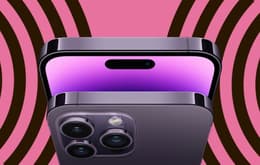
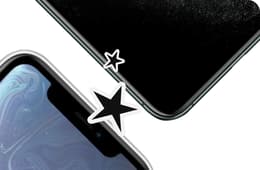
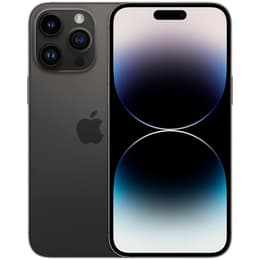
  • Interactive Features: A notable difference is the iPhone 14 Pro Max's Dynamic Island, which replaces the traditional notch and offers an interactive area for alerts, activities, and notifications. The 14 Pro Max also features an Always-On Display, showing glanceable information without fully waking the screen.

Resolution

1125 x 2436

1290 x 2796

Screen type

Super Retina XDR OLED

LTPO Super Retina XDR OLED

Audiovisual

Camera capabilities have seen considerable advancements between the iPhone 11 Pro and the iPhone 14 Pro Max.

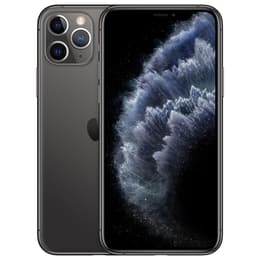
  • Main Camera System: The iPhone 11 Pro features a versatile triple 12-megapixel camera system (wide, ultrawide, telephoto) capable of producing high-quality photos in various conditions, including Night mode. The iPhone 14 Pro Max elevates this with a 48-megapixel main sensor, which captures significantly more detail, especially in well-lit environments, and offers improved low-light performance through its Photonic Engine.
  • Photography Features: The iPhone 14 Pro Max introduces advanced computational photography features like Action mode for stabilized video and an enhanced Cinematic mode that supports 4K recording. While the iPhone 11 Pro offers a solid camera experience, the 14 Pro Max provides greater flexibility, detail, and specialized video capabilities.
  • Low-Light Performance: Both devices excel in low-light photography compared to their contemporaries, but the iPhone 14 Pro Max delivers brighter, clearer, and more detailed images in challenging lighting conditions due to its larger sensor and improved image processing.

Main camera

12 megapixels

48 megapixels

Front camera

12 megapixels

12 megapixels

Miscellaneous

Beyond core features, several practical elements distinguish the iPhone 11 Pro and iPhone 14 Pro Max.

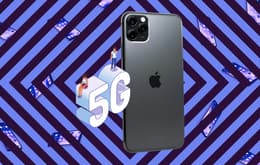
  • Connectivity: The iPhone 14 Pro Max supports 5G cellular connectivity, offering faster download and upload speeds in compatible areas, a feature absent on the 4G-only iPhone 11 Pro. Both support Wi-Fi 6, but the 14 Pro Max includes Wi-Fi 6E for even faster wireless speeds with compatible routers.
  • Physical Design and Handling: The iPhone 14 Pro Max is a larger and heavier device, weighing 240 grams compared to the iPhone 11 Pro's 188 grams. This difference impacts one-handed usability and pocketability. Both retain the Lightning port for charging and data transfer.
  • Safety Features: The iPhone 14 Pro Max includes advanced safety features like Emergency SOS via Satellite and Crash Detection, which are not present on the iPhone 11 Pro. Both devices rely on Face ID for secure authentication.

Weight

188 g

120 g

Screen size (in)

5.8

6.7

Network

4G

5G

SIM card

Physical SIM + eSIM

Physical SIM + eSIM

Carrier compatibility

Unlocked

Unlocked

Connector

Lightning

Lightning

Choosing between the iPhone 11 Pro and iPhone 14 Pro Max involves weighing a compact, still-capable device against a larger, more technologically advanced smartphone. Users frequently praise the iPhone 11 Pro for its manageable size and robust performance for everyday tasks, even several years after its release. Common criticisms often revolve around its aging battery life and the absence of newer features like 5G and ProMotion.

The iPhone 14 Pro Max is widely lauded for its exceptional camera system, vibrant and smooth ProMotion display with Dynamic Island, and extended battery life. Its larger size and weight are sometimes noted as a drawback for users preferring a smaller device. Users prioritizing cutting-edge camera technology, a large and fluid display, and the longest possible software support will find the iPhone 14 Pro Max well-suited to their needs. Conversely, those who prefer a more compact form factor, require solid performance for general use, and are comfortable with an older software update cycle may find the iPhone 11 Pro to be a practical choice.

Both models are available as quality-assured refurbished options, providing an eco-friendly alternative for consumers looking to make an informed and sustainable purchasing decision.