

Compare models

Galaxy A15 5G Vs iPhone 17 Pro Max

  • 1-year minimum warranty
  • Free delivery on all items
  • Free 30-day returns
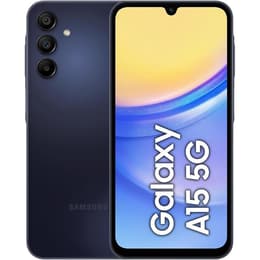
Galaxy A15 5G
Starting at

Refurbished price:£124.99

Versus £265.00 new

See options
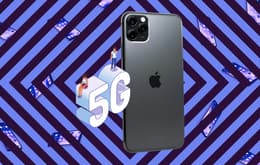
iPhone 17 Pro Max
Starting at

Refurbished price:£964.00

Versus £1,199.00 new

See options

Differences at a glance

The Samsung Galaxy A15 5G (2023) and the Apple iPhone 17 Pro Max (2025) represent entirely different segments of the smartphone market, catering to vastly distinct user needs and preferences. While the Galaxy A15 5G focuses on delivering essential daily connectivity through the Android operating system, the iPhone 17 Pro Max serves as a high-end flagship utilizing Apple's iOS ecosystem. The primary differentiators between these two devices lie in their processing architecture, material composition, and overall feature sets, establishing clear paths for different types of smartphone users.

Available Models

Colour

Storage (GB)

Scores

Durability

When examining longevity and structural upkeep, both devices offer distinct timelines regarding software support and physical resilience based on their respective release years.

  • Software longevity and update support: The iPhone 17 Pro Max benefits from an extended software support window, receiving system updates for several years following its newer release. The Galaxy A15 5G also provides multi-year security updates, though its overall lifecycle aligns with its entry-level market positioning.
  • Repairability and build durability: The iPhone 17 Pro Max utilizes grade-grade titanium and reinforced glass, while the Galaxy A15 5G employs a sturdy plastic build that resists everyday drops well. Opting for a quality-assured refurbished option provides a sustainable choice that extends the active lifecycle of high-end hardware.

Year of Release

2023

2025

Compatible with latest Update

Yes

Yes

OS

Android

iOS

Foldable

No

No

Performance

Daily operation and speed differ significantly, driven by variations in internal hardware capabilities and memory configurations.

  • Multitasking and app responsiveness: The iPhone 17 Pro Max handles demanding applications, graphic-heavy gaming, and complex video editing smoothly with its advanced processor and high RAM capacity. The Galaxy A15 5G manages everyday tasks like web browsing, social media, and messaging reliably, though heavy multitasking may show occasional pauses.
  • Battery behavior and storage: Both models easily manage a full day of standard use, though the iPhone 17 Pro Max includes larger power reserves for intensive media consumption. Storage options on the Apple flagship scale much higher for large media libraries, whereas the Galaxy A15 5G offers expandable storage via a memory card slot.

Screen quality

Visual output and display technologies vary greatly, influencing clarity, outdoor readability, and motion smoothness.

  • Display panel and refresh rate: The iPhone 17 Pro Max features an advanced OLED screen with high peak brightness levels for outdoor use and a dynamic refresh rate for smooth scrolling. The Galaxy A15 5G uses a standard OLED display with a fixed refresh rate, offering clear visuals and deep contrast for daily media viewing.
  • Resolution and viewing experience: Both screens render text and images sharply, but the iPhone 17 Pro Max provides higher color accuracy and broader dynamic range capabilities for professional photo viewing.

Resolution

1080 x 2340

2868x1320

Screen type

Super AMOLED

Super Retina XDR

Audiovisual

Multimedia capture and audio output vary extensively between these two models, reflecting their respective product tiers.

  • Camera versatility: The iPhone 17 Pro Max includes a triple-lens system with advanced telephoto zoom, macro capabilities, and comprehensive low-light processing for professional-grade photography. The Galaxy A15 5G features a simpler multi-lens setup that captures clear daylight photos suitable for casual sharing.
  • Audio and video recording: The Apple flagship records high-resolution video with advanced stabilization and spatial audio recording, supported by loud stereo speakers. The Galaxy A15 5G provides adequate mono or basic stereo speaker output for podcasts and casual video playback.

Main camera

50 megapixels

48 megapixels

Front camera

13 megapixels

18 megapixels

Miscellaneous

Physical handling, connectivity standards, and daily utility features shape the practical experience of carrying and using each device.

  • Connectivity and ports: The iPhone 17 Pro Max utilizes a universal USB-C port alongside advanced Wi-Fi and 5G standards. The Galaxy A15 5G includes both a USB-C port and a traditional headphone jack for wired audio accessories.
  • Biometrics and handling: The Galaxy A15 5G integrates a side-mounted fingerprint scanner, while the iPhone 17 Pro Max relies on face recognition technology. The iPhone is heavier and larger due to its metallic chassis and expansive screen, whereas the Galaxy A15 5G offers a lighter feel in the hand.

Weight

200 g

233 g

Screen size (in)

6.5

6.9

Mobile network

5G

5G

SIM card

Physical SIM

Physical SIM + eSIM

Carrier compatibility

Unlocked

Unlocked

What the community thinks

User discussions across online communities frequently praise the iPhone 17 Pro Max for its exceptional processing power, display fluidity, and comprehensive camera suite, though some users note its heavier weight and higher complexity. Conversely, community feedback highlights the Galaxy A15 5G for providing reliable everyday connectivity and expandable storage at a fundamental level, while noting limitations in processing heavy applications and low-light photography.

Users who prioritize mobile gaming, advanced photography, and long-term software refinement will find the iPhone 17 Pro Max well-suited to their needs. Meanwhile, users who prioritize essential daily tasks, headphone jack availability, and straightforward messaging will lean toward the Galaxy A15 5G. Choosing a sustainable, quality-assured refurbished option from Back Market allows consumers to access premium technology responsibly while reducing electronic waste. Ultimately, the right choice depends on balancing hardware capability with individual daily usage requirements.