iPhone 14 Plus Vs iPhone 14 Pro Max

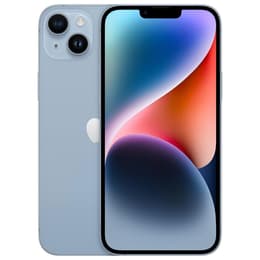
iPhone 14 Plus
iPhone 14 Plus
Starting at

Refurbished price:£239.00

Versus £699.00 new

See options
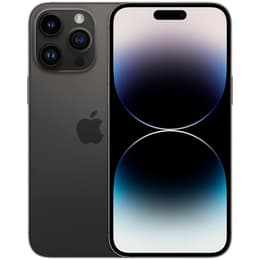
iPhone 14 Pro Max
iPhone 14 Pro Max
Starting at

Refurbished price:£324.00

Versus £1,199.00 new

See options

Ratings

The iPhone 14 Plus and iPhone 14 Pro Max, both released in 2022, represent Apple’s commitment to large-format smartphones. While they share the same expansive screen dimensions, they cater to different user needs through distinct internal capabilities and display technologies. The iPhone 14 Plus focuses on providing a large-screen experience with a lighter build, whereas the iPhone 14 Pro Max integrates more advanced photographic tools and a more responsive screen interface. Both devices operate on the same software ecosystem, ensuring a consistent user experience across applications and services.

Scores

Durability

Both models benefit from a design that prioritises longevity and software support, ensuring they remain functional for many years.

  • Software Longevity: Since both devices were launched in late 2022, they are expected to receive regular operating system updates and security patches for several years, likely until the late 2020s. This ensures that users have access to the latest features and security protocols for a significant portion of the device's functional life.
  • Physical Resilience: Both smartphones feature Ceramic Shield glass on the front and are rated for water and dust resistance. The iPhone 14 Plus uses an aluminum frame, while the Pro Max utilizes stainless steel, both of which offer robust protection against daily wear and accidental drops.
  • Repairability: These models introduced internal structural changes that make certain repairs, such as replacing the back glass, more straightforward than in previous generations. Opting for a sustainable choice through refurbishment further extends the lifecycle of these capable devices while reducing electronic waste.

Year of Release

2022

2022

Compatible with latest Update

Yes

Yes

OS

iOS

iOS

Foldable

No

No

Performance

While both devices handle daily tasks with ease, there are subtle differences in how they manage intensive workloads and multitasking over long periods.

  • System Responsiveness: The iPhone 14 Pro Max features a slightly more advanced internal architecture that provides extra headroom for demanding tasks like high-resolution video editing or complex mobile gaming. The iPhone 14 Plus remains highly capable for standard multitasking, social media, and productivity apps without any noticeable lag.
  • Battery Efficiency: Both models are designed to last through a full day of heavy use. The Pro Max benefits from a display that can adjust its power consumption based on the content shown, while the Plus relies on a high-capacity battery and efficient internals to maintain its longevity between charges.
  • Storage Flexibility: Users can find both models in various storage capacities, though the Pro Max offers an additional higher-tier option for those who store vast amounts of high-definition media locally without relying on cloud services.

Memory

6 GB

6 GB

Screen quality

The most visible difference between these two 6.7-inch displays lies in the technology used to render motion and manage the user interface.

  • Display Fluidity: The iPhone 14 Pro Max utilizes a high refresh rate technology that makes scrolling and animations appear exceptionally smooth. In contrast, the iPhone 14 Plus uses a standard refresh rate that is consistent with traditional smartphone displays, providing a reliable and clear viewing experience for video and text.
  • Interface Design: The Pro Max replaces the traditional notch with a dynamic interface element that expands and contracts to show notifications and background activity. The Plus retains the familiar notch design at the top of the screen, which houses the front-facing sensors and camera.
  • Outdoor Visibility: For users who frequently use their devices in bright sunlight, the Pro Max offers a higher peak brightness level, making the screen easier to read in challenging lighting conditions compared to the Plus.

Resolution

1284 x 2778

1290 x 2796

Screen type

Super Retina XDR OLED

LTPO Super Retina XDR OLED

Audiovisual

Photography and video capabilities represent a significant point of divergence for these two models, particularly for users who enjoy creative media.

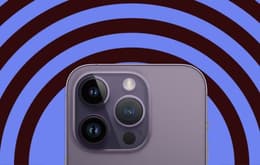
  • Camera Versatility: The iPhone 14 Pro Max includes a triple-lens system featuring a dedicated telephoto lens for optical zooming and a high-resolution main sensor that captures intricate detail. The iPhone 14 Plus utilizes a dual-lens system that excels at wide-angle and standard shots, suitable for everyday photography and social sharing.
  • Advanced Imaging Tools: The Pro Max is equipped with a light-sensing scanner that assists with focusing in dark environments and enables more detailed portrait photography. Both devices support advanced video stabilization modes, ensuring smooth footage even when the user is moving during recording.
  • Audio Experience: Both smartphones provide clear, spatial audio through their built-in speakers and high-quality microphone arrays for video calls. The recording quality is consistent across both, though the Pro Max offers additional professional-grade video formats for enthusiasts who want more control over their edits.

Main camera

12 megapixels

48 megapixels

Front camera

12 megapixels

12 megapixels

Miscellaneous

Practical considerations such as weight and connectivity play a significant role in the daily handling and utility of these large-format devices.

  • Weight and Handling: The iPhone 14 Plus is notably lighter than the Pro Max due to its aluminum construction. This makes it easier to hold for long periods or carry in a pocket. The Pro Max has a more substantial feel, which some users may prefer for its sense of stability.
  • Connectivity Standards: Both devices support 5G cellular networks, fast Wi-Fi standards, and satellite-based emergency features. They both utilize the Lightning port for charging and data transfer, ensuring compatibility with a wide range of existing accessories and cables.
  • Biometric Security: Each model uses facial recognition technology for secure unlocking and authentication. While the implementation looks different due to the screen cutouts, the speed and reliability of the security system remain identical on both handsets, providing quick access to the device.

Weight

203 g

120 g

Screen size (in)

6.7

6.7

Network

5G

5G

SIM card

Physical SIM + eSIM

Physical SIM + eSIM

Carrier compatibility

Unlocked

Unlocked

Connector

Lightning

Lightning

User feedback from various forums indicates that the iPhone 14 Plus is highly regarded for its impressive battery life and comfortable, lightweight design, making it a favourite for those who want a large screen without the extra bulk. Conversely, the iPhone 14 Pro Max receives praise for its exceptionally smooth display and the versatility of its camera system, though some users find the weight to be a significant factor during extended use.

Users who prioritise a lightweight device for long reading sessions or extensive media consumption may find the iPhone 14 Plus to be the more suitable choice. Those who require advanced photographic tools, a more responsive screen for gaming, or the latest interface innovations will likely lean toward the iPhone 14 Pro Max. Choosing a quality-assured refurbished option is an excellent way to acquire either of these high-performance devices while supporting more sustainable consumption habits. Ultimately, the decision rests on whether the user values physical lightness and simplicity or advanced imaging and display technology. Both models remain powerful, long-lasting choices in the current smartphone landscape, offering a premium experience for different types of users.
See all articles

Our recent comparisons