iPhone 11 Vs iPhone X

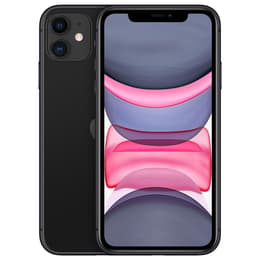
iPhone 11
iPhone 11
Starting at

£113.00

£489.00 new

See options
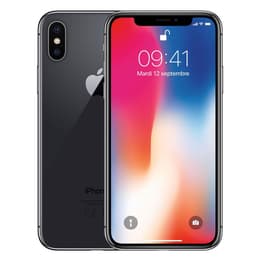
iPhone X
iPhone X
Starting at

£99.00

£599.00 new

See options

Ratings

The iPhone 11, released in 2019, and the iPhone X, launched in 2017, represent two significant milestones in the evolution of the modern smartphone. While the iPhone X was the pioneer of the bezel-less design and facial recognition technology, the iPhone 11 arrived two years later as a refined powerhouse with a focus on camera versatility and battery endurance. Both devices run on Apple's iOS, providing a consistent user experience, though their differing ages mean they sit at different points in their software support cycles. This comparison explores how these two generations differ in practical daily use to help you decide which fits your lifestyle.

Scores

Durability

When considering the longevity of a smartphone, the release date is the most critical factor as it dictates how long the manufacturer will provide essential software updates and security patches. Opting for a sustainable choice like a quality-assured refurbished device can extend the useful life of these well-built machines.

  • Software longevity: Because the iPhone 11 was released two years after the iPhone X, it is expected to receive official iOS updates for a longer period, ensuring compatibility with the latest apps and security features for several more years.
  • Build and materials: The iPhone X features a stainless steel frame which is highly resistant to structural damage, while the iPhone 11 uses aerospace-grade aluminium; both are encased in glass that requires careful handling or a protective case to maintain integrity.
  • Repair accessibility: Both models are well-established in the market, meaning that replacement parts like batteries and screens are readily available at most repair centres, making it easy to maintain them over time.

Year of Release

2019

2017

Compatible with latest Update

Yes

No

OS

iOS

iOS

Foldable

No

No

Performance

The internal hardware of these two devices determines how smoothly they handle modern applications, with the newer model offering a noticeable step up in efficiency and speed for demanding tasks. Performance is not just about speed, but also about how the device manages power throughout the day.

  • System responsiveness: The iPhone 11 handles intensive multitasking and high-end mobile gaming with greater fluidity, showing fewer signs of slowing down when switching between multiple heavy applications compared to the older iPhone X.
  • Battery endurance: One of the most significant differences is battery life; the iPhone 11 is designed for exceptional efficiency, often lasting through a full day of heavy usage, whereas the iPhone X typically requires more frequent charging.
  • Memory management: With more advanced internal components, the iPhone 11 is better at keeping background apps ready for use, reducing the time spent waiting for software to reload when you return to it.

Memory

4 GB

3 GB

Screen quality

The viewing experience on these two phones is governed by two entirely different display technologies, each offering distinct visual characteristics that suit different types of media consumption. Choosing between them often depends on whether you prefer vibrant contrast or natural colour accuracy.

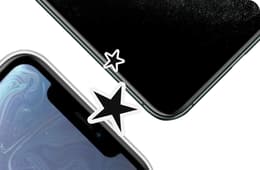
  • Display technology: The iPhone X features an OLED screen that delivers deep, true blacks and a very high contrast ratio, while the iPhone 11 uses an LCD panel which provides accurate, natural colours but cannot achieve the same level of darkness in black areas.
  • Clarity and sharpness: While the iPhone 11 has a larger 6.1-inch screen for a more expansive view, the iPhone X has a higher pixel density on its 5.8-inch display, resulting in slightly sharper text and finer details when viewing high-resolution photos.
  • Outdoor legibility: Both screens are bright enough for most environments, but the iPhone 11's display is particularly well-regarded for its ability to remain clear and readable even under the glare of direct afternoon sunlight.

Resolution

828 x 1792

1125 x 2436

Screen type

Liquid Retina IPS LCD

Super Retina OLED

Audiovisual

Photography is a major point of divergence between these models, as they employ different secondary lenses to achieve different creative effects. Whether you prefer zooming in on distant subjects or capturing wide landscapes will influence your choice.

  • Lens versatility: The iPhone X includes a telephoto lens that allows for 2x optical zoom and enhanced portrait shots, whereas the iPhone 11 opts for an ultra-wide lens that is perfect for capturing large groups or sweeping architectural views.
  • Low-light photography: The iPhone 11 introduces a dedicated night mode that automatically brightens photos taken in dark environments, a feature that is not available on the iPhone X, which relies more on its flash in low light.
  • Video and audio recording: Both devices record high-quality 4K video, but the iPhone 11 offers improved stabilisation and a wider dynamic range, along with microphones that can zoom in on the sound of your subject as you record.

Main camera

12 megapixels

12 megapixels

Front camera

12 megapixels

7 megapixels

Miscellaneous

Beyond the core specifications, the physical handling and daily interactions with these devices reveal practical differences in how they feel in the hand and how they connect to the world around them.

  • Biometric speed: Both phones use facial recognition for security, but the sensors in the iPhone 11 are refined to be faster and more forgiving of the angle at which you hold the phone when unlocking it.
  • Handling and weight: The iPhone X is more compact and lighter, making it a favourite for those who prefer one-handed use, while the iPhone 11 is larger and heavier, offering a more substantial feel that some users find more secure.
  • Wireless connectivity: While both support 4G networks and wireless charging, the iPhone 11 includes more modern Wi-Fi and Bluetooth standards, which can lead to more stable connections with home routers and wireless headphones.

Weight

194 g

174 g

Width

7,57 cm

7,09 cm

Height

15,09 cm

14,36 cm

Depth

0,83 cm

0,77 cm

Screen size (in)

6.1

5.8

Network

4G

4G

SIM card

Physical SIM + eSIM

Physical SIM

Carrier compatibility

Unlocked

Unlocked

Connector

Lightning

Lightning

In summary, the iPhone 11 and iPhone X offer two distinct paths for smartphone users. Community feedback on platforms like Reddit often highlights the iPhone X as a classic choice for those who value a premium, compact feel and the superior contrast of an OLED screen. Many users still appreciate its elegant stainless steel design and sharp display for media consumption. On the other hand, the iPhone 11 is widely regarded as a reliable workhorse, with its exceptional battery life and the addition of Night Mode being the most praised features by those who use their phones heavily throughout the day.

Users who prioritise a smaller device that is easy to use with one hand and features a high-end screen for watching videos will likely find the iPhone X to be a great fit. Conversely, users who need a device that can keep up with a busy schedule without needing a charger and who want the latest camera features for social media should lean toward the iPhone 11. Choosing a quality-assured refurbished option is a sustainable choice that allows you to enjoy these features while contributing to a more circular economy. Ultimately, both phones remain capable devices, and your decision should be based on whether you value the sophisticated display of the iPhone X or the modern performance and endurance of the iPhone 11.
See all articles

Our recent comparisons