Galaxy S10 Vs iPhone 11

Galaxy S10
Galaxy S10
Starting at

£112.00

£639.00 new

See options
iPhone 11
iPhone 11
Starting at

£123.00

£489.00 new

See options

Ratings

The Samsung Galaxy S10 and the Apple iPhone 11, both released in 2019, represent a significant era in smartphone development where high-quality displays and multi-lens camera systems became standard. While the Galaxy S10 focuses on a high-resolution viewing experience and versatile hardware features, the iPhone 11 prioritises consistent software performance and a streamlined user interface. These devices operate on the Android and iOS platforms respectively, offering distinct digital environments that cater to different user habits and preferences.

Choosing between these two models involves weighing the benefits of a vibrant, high-clarity screen against a device known for its long-term software reliability and efficient ecosystem integration. Both smartphones remain capable options for daily tasks, communication, and media consumption, reflecting the enduring quality of flagship hardware from this period.

Scores

Durability

The Galaxy S10 and iPhone 11 differ significantly in their long-term software support cycles and physical resilience, which impacts their practical lifespan for modern users.

  • Software Longevity: The iPhone 11 typically receives operating system updates for a longer duration than its contemporary, ensuring access to the latest security patches and application features for several years. The Galaxy S10 has a more defined update window, meaning it may eventually lose compatibility with the newest versions of demanding apps sooner than the iPhone.
  • Physical Build and Repair: Both devices feature glass and metal constructions that require careful handling to avoid damage. The iPhone 11 uses a flat display that is often more straightforward to service, while the Galaxy S10 features a curved edge screen that provides a modern aesthetic but can be more complex and costly to repair if the glass is compromised.
  • Environmental Protection: Both models carry an IP68 rating, providing a high level of resistance against dust and water immersion, which helps extend their functional life in various environments.

Year of Release

2019

2019

Compatible with latest Update

No

Yes

OS

Android

iOS

Foldable

No

No

Performance

Daily tasks and multitasking are handled efficiently by both devices, though their approaches to hardware management and storage flexibility vary considerably.

  • System Responsiveness: The iPhone 11 is recognised for its fluid animations and rapid app switching, maintaining a consistent speed even when running demanding software or games. The Galaxy S10 offers a highly customisable experience and handles multitasking well, though users may notice slight variations in speed depending on the number of background processes active at any given time.
  • Storage and Expansion: Users who require significant local storage for photos and files will find the Galaxy S10 advantageous due to its inclusion of a memory card slot for easy expansion. The iPhone 11 relies on fixed internal storage capacities, requiring users to manage their files more closely or utilise cloud-based services for additional space.
  • Battery Efficiency: While both devices support a full day of moderate use, the iPhone 11 is often noted for its efficient power management during standby and video playback. The Galaxy S10 provides various power-saving modes to help users extend their usage time during busy days.

Memory

8 GB

4 GB

Screen quality

The viewing experience is one of the most noticeable differences between these two models, with each manufacturer prioritising different display technologies.

  • Display Technology: The Galaxy S10 utilises an advanced organic light-emitting diode (OLED) panel, which delivers deep black levels and high contrast for an immersive media experience. The iPhone 11 uses a liquid crystal display (LCD) that provides natural colour reproduction and sufficient brightness for outdoor use, though it lacks the absolute black levels found on OLED screens.
  • Clarity and Detail: With a significantly higher pixel density, the Galaxy S10 offers sharper text and finer details when viewing high-resolution photos or videos. The iPhone 11 provides a clear and comfortable viewing experience for standard tasks, but the difference in sharpness is visible when the two devices are compared side-by-side.
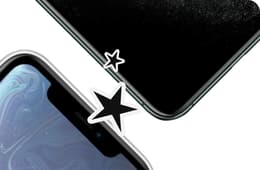
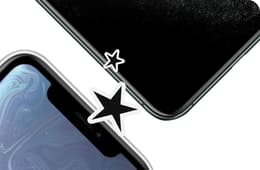
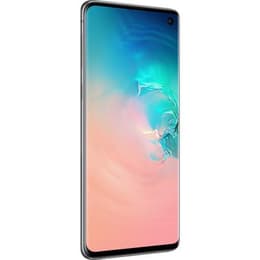
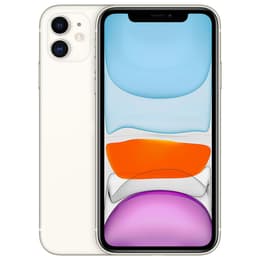
  • Design and Screen Real Estate: The Galaxy S10 features a small circular cutout for the front camera, maximising the available screen space. The iPhone 11 incorporates a larger notch at the top of the display to house its facial recognition sensors, which some users may find more prominent during full-screen video playback.

Resolution

1440 x 3040

828 x 1792

Screen type

Dynamic AMOLED

Liquid Retina IPS LCD

Audiovisual

Photography enthusiasts will find that each device excels in different areas of mobile imaging, from versatile zoom capabilities to natural video recording.

  • Lens Versatility: The Galaxy S10 features a triple-lens system, including a dedicated telephoto lens for zooming into distant subjects without losing significant detail. The iPhone 11 employs a dual-lens setup that lacks a telephoto option but includes an ultra-wide lens that is excellent for capturing expansive landscapes and group shots.
  • Video and Natural Imaging: The iPhone 11 is frequently praised for its smooth video stabilisation and its ability to capture natural skin tones and balanced exposures in various lighting conditions. The Galaxy S10 provides vibrant, punchy colours and a wide range of manual controls for users who prefer to fine-tune their photographic output.
  • Low-Light Performance: Both smartphones include dedicated modes for improving photos taken in dark environments. The iPhone 11 focuses on maintaining a natural look with reduced noise, while the Galaxy S10 often produces brighter images that reveal more detail in the shadows.

Main camera

12 megapixels

12 megapixels

Front camera

10 megapixels

12 megapixels

Miscellaneous

Practical hardware features and physical dimensions often dictate the daily convenience and handling of these smartphones.

  • Biometric Security: The Galaxy S10 uses an ultrasonic fingerprint sensor embedded beneath the screen, allowing for quick unlocking even with damp fingers. The iPhone 11 utilises facial recognition technology, which provides a secure and hands-free way to access the device and authorise payments.
  • Connectivity and Ports: While both devices support fast 4G connectivity and Wi-Fi 6, the Galaxy S10 retains a traditional headphone jack and uses a universal USB-C port for charging. The iPhone 11 uses a proprietary connector and requires an adapter or wireless options for standard wired headphones.
  • Weight and Handling: The Galaxy S10 is notably lighter and slimmer, making it easier to use with one hand for extended periods. The iPhone 11 has a more substantial feel and a slightly wider frame, which some users may find provides a more secure grip.

Weight

175 g

194 g

Screen size (in)

6.1

6.1

Network

4G

4G

SIM card

Physical SIM

Physical SIM + eSIM

Carrier compatibility

Unlocked

Unlocked

Connector

USB-C + Jack 3.5mm

Lightning

User feedback for the Galaxy S10 often highlights the stunning quality of its high-resolution display and the convenience of its expandable storage and headphone jack. Conversely, iPhone 11 users frequently cite the device's reliable battery life and the longevity of its software as primary reasons for their satisfaction. Forums often show a consensus that the Galaxy S10 feels like a more feature-rich piece of hardware for media enthusiasts, while the iPhone 11 is viewed as a more dependable and consistent device for long-term use.

Users who prioritise media consumption, high-resolution screens, and hardware flexibility will likely find the Galaxy S10 aligns better with their needs. Those who value a consistent software experience, high-quality video recording, and extended support cycles may lean toward the iPhone 11. Choosing a quality-assured refurbished option for either model allows users to access these capabilities while making a sustainable choice. Opting for an eco-friendly alternative ensures that these high-performing devices continue to provide utility while reducing environmental impact. Both smartphones remain practical tools for daily communication and productivity, offering a reliable path for those seeking quality technology.

See all articles

Our recent comparisons