iPhones
Compare models
Differences at a glance
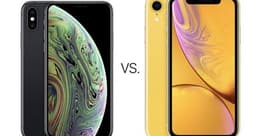
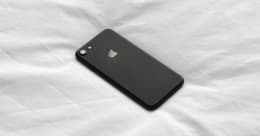
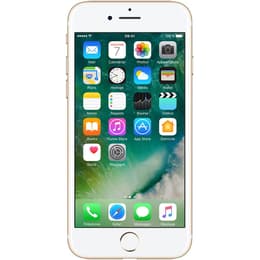
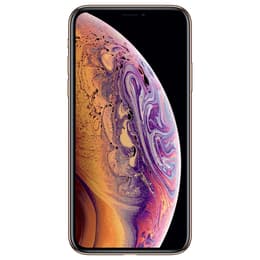
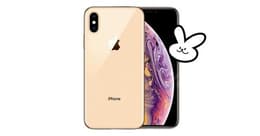
The iPhone 7 (2016) and iPhone Xs (2018) represent distinct generations in Apple's smartphone development, separated by two years of technological advancements. While both devices operate on the iOS platform, the iPhone Xs introduced a significant evolution in design, display technology, and camera capabilities compared to the iPhone 7's more traditional approach.
The primary distinctions lie in the iPhone Xs's edge-to-edge OLED display, its more advanced dual-camera system with enhanced computational photography, and a notably more powerful internal processor.
Colour
Storage (GB)
The longevity of a smartphone is influenced by its release date, software support, and physical resilience. The iPhone 7 and iPhone Xs, originating from different eras, offer varying expectations in these areas.
Year of Release
Compatible with latest Update
OS
Foldable
Performance is a key area where the two-year gap between these devices becomes evident, impacting everything from app responsiveness to multitasking capabilities and battery efficiency.
The display is one of the most significant areas of divergence, offering a fundamentally different visual experience between the two models.
Resolution
Screen type
The camera systems on the iPhone 7 and iPhone Xs reflect a substantial generational leap, particularly in computational photography and advanced features.
Main camera
Front camera
Beyond core performance and display, several practical elements differentiate these two iPhone models, affecting daily usability and interaction.
Weight
Screen size (in)
Mobile network
SIM card
Carrier compatibility
Connector
User feedback for the iPhone 7 often praises its compact size and the reliability of Touch ID. Many users found its performance adequate for everyday tasks, especially when it was newer. However, common criticisms frequently centered on its battery life, which for many, struggled to last a full day of moderate to heavy use, and the eventual cessation of major iOS updates.
The iPhone Xs, on the other hand, generally receives acclaim for its vibrant OLED display, significantly improved camera capabilities, and robust performance that handles demanding applications with ease. Users appreciate the Face ID system and the more modern, immersive screen experience. Some users noted that while battery life was improved over the iPhone X, it might still require daily charging for intensive use.
Users prioritizing a more modern visual experience, advanced photography features, and longer software support will find the iPhone Xs better suited to their needs. Its OLED display and dual-camera system offer a substantial upgrade for media consumption and content creation. Conversely, individuals who prefer a smaller, lighter device with a physical home button and whose usage is primarily for basic communication and light browsing might still find the iPhone 7 functional, though they should be aware of its limited future software updates and potentially shorter battery endurance. For those seeking a quality-assured refurbished option, both models are available, providing an eco-friendly alternative to purchasing new devices.