
Compare models
iPhone 14 Vs iPhone 15 Plus
- 1-year minimum warranty
- Free delivery on all items
- Free 30-day returns
Differences at a glance
The iPhone 14, released in 2022, and the iPhone 15 Plus, launched in 2023, are two prominent smartphones in the Apple ecosystem. While they share a similar design language, the iPhone 15 Plus introduces a larger form factor and a transition in connectivity standards. Both devices run on the iOS operating system, providing a seamless software experience with regular updates. The primary differences between these models involve the screen dimensions, the camera sensor resolution, and the physical charging port, catering to different user preferences for size and modern features.
Available Models
Colour
Storage (GB)
Scores
Durability
The release dates of these two smartphones significantly influence their long-term software support and overall life expectancy.
- Software Longevity: As the iPhone 15 Plus was released a year after the iPhone 14, it is expected to receive iOS updates for an additional year, providing a longer period of access to new features and security enhancements.
- Repairability and Build: Both models feature a design that allows the back glass to be removed independently, which simplifies certain repairs and contributes to a longer practical lifespan for the hardware.
- System Support: While the iPhone 14 remains a robust device in 2026, the iPhone 15 Plus benefits from newer internal components that are better equipped to handle the evolving demands of future software versions over several years.
Year of Release
2022
2023
Compatible with latest Update
Yes
Yes
OS
iOS
iOS
Foldable
No
No
Performance
When comparing daily usage, both devices offer a fluid experience, though the iPhone 15 Plus provides advantages in battery endurance and multitasking efficiency.
- Battery Behaviour: The iPhone 15 Plus features a larger chassis that houses a higher-capacity battery, allowing it to last significantly longer during heavy use, such as video streaming or navigation, compared to the iPhone 14.
- System Responsiveness: The iPhone 15 Plus handles demanding applications and multitasking with greater ease due to its updated internal architecture, while the iPhone 14 remains perfectly capable for standard tasks like social media and web browsing.
- Sustainable Choice: For those looking for a sustainable choice, both models maintain high performance standards over time, ensuring that they remain responsive and reliable for several years of regular use.
Screen quality
The visual experience differs primarily in size and the way the display interacts with the user interface.
- Display Technology and Size: Both phones use OLED technology for deep blacks and vibrant colours, but the iPhone 15 Plus offers a 6.7-inch screen compared to the 6.1-inch screen on the iPhone 14, providing more space for media.
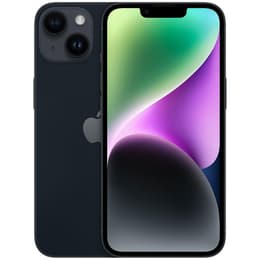
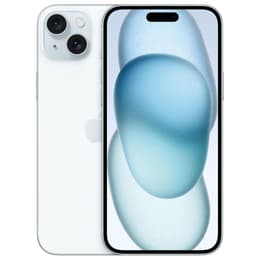
- Interface Evolution: The iPhone 14 features the traditional notch at the top, whereas the iPhone 15 Plus introduces a dynamic island that changes shape to show alerts and background activity, making the screen feel more interactive.
- Brightness and Clarity: The iPhone 15 Plus can reach higher brightness levels in outdoor environments, ensuring the display remains clear and legible even under direct sunlight, which is a notable improvement over the iPhone 14.
Resolution
1170 x 2532
1290 x 2796
Screen type
Super Retina XDR OLED
Audiovisual
Photography and media consumption are areas where the iPhone 15 Plus shows clear technological progression.
- Camera Resolution: The iPhone 15 Plus is equipped with a 48-megapixel main sensor that captures more detail than the 12-megapixel sensor on the iPhone 14, allowing for sharper images and better digital zooming.
- Low-Light Photography: Both devices produce clear photos in dark settings, but the iPhone 15 Plus uses more advanced processing to balance light and shadow, resulting in more natural-looking evening shots.
- Media Experience: The larger screen of the iPhone 15 Plus is complemented by loud, clear speakers that provide an immersive experience for watching films, while both devices offer high-quality microphones for crisp voice calls.
Main camera
12 megapixels
48 megapixels
Front camera
12 megapixels
12 megapixels
Miscellaneous
Practical features like charging ports and physical dimensions define the day-to-day handling of these two smartphones.
- Connectivity and Ports: The iPhone 15 Plus marks a shift to the universal USB-C port, allowing for easier charging with common cables, while the iPhone 14 continues to use the proprietary Lightning connector.
- Handling and Dimensions: The iPhone 14 is more compact and lighter, making it easier to use with one hand, whereas the iPhone 15 Plus is larger and heavier, which may require two hands for comfortable operation.
- Build and Sensors: Both models feature durable aluminium frames and use secure facial recognition for unlocking, while supporting modern wireless standards like 5G and Bluetooth for fast, reliable connections.
Weight
172 g
201 g
Screen size (in)
6.1
6.7
Mobile network
5G
5G
SIM card
Physical SIM + eSIM
Physical SIM + eSIM
Carrier compatibility
Unlocked
Unlocked
Connector
Lightning
USB-C
What the community thinks
Based on discussions in various technology forums and user communities, the iPhone 14 is frequently praised for its manageable size and reliable performance, making it a favourite for those who prefer a traditional smartphone feel. On the other hand, the iPhone 15 Plus receives significant praise for its long-lasting battery and the modern functionality of its interactive display area. Some users have expressed a preference for the USB-C port on the newer model, noting its convenience for travel and compatibility with other devices.
Users who prioritise a lightweight, compact device that fits easily into a pocket may find the iPhone 14 to be the most suitable option for their lifestyle. Conversely, users who value a large screen for gaming or watching videos, and who require a battery that can last through an entire day of intensive use, will likely prefer the iPhone 15 Plus. Choosing a quality-assured refurbished option is an eco-friendly alternative that allows consumers to enjoy these advanced features while contributing to a more sustainable electronics market.
Ultimately, both smartphones offer a high-quality experience, with the iPhone 15 Plus providing more modern conveniences and the iPhone 14 offering a classic, proven design. The final decision depends on whether a user values portability or a larger, more modern display experience.