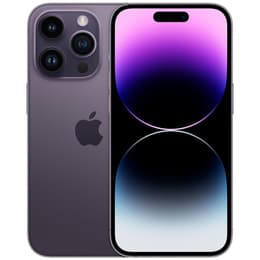
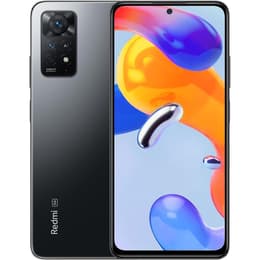
iPhone 14 Pro Vs Xiaomi Redmi Note 11 Pro 5G

iPhone 14 Pro
iPhone 14 Pro
Starting at

Refurbished price:£304.00

Versus £1,099.00 new

See options
Xiaomi Redmi Note 11 Pro 5G
Starting at

Refurbished price:£102.00

Versus £599.00 new

See options

Ratings

The iPhone 14 Pro and the Xiaomi Redmi Note 11 Pro 5G, both released in 2022, represent different approaches to the modern smartphone experience. While the iPhone 14 Pro is a compact device running Apple's iOS, the Redmi Note 11 Pro 5G offers a larger footprint powered by the Android operating system with Xiaomi's custom interface. The primary differentiators between these two models lie in their physical dimensions, camera technology, and the distinct software ecosystems they inhabit. This comparison provides a factual overview to help users determine which device aligns with their specific daily requirements.

Scores

Durability

Both devices offer distinct paths regarding software longevity and physical construction, influencing their practical lifespan for the average user.

  • Software Support: The iPhone 14 Pro typically receives operating system updates for six to seven years from its launch, ensuring access to new features and security patches well into the late 2020s. In contrast, the Redmi Note 11 Pro 5G follows a shorter update cycle common to its category, generally receiving two to three years of major software upgrades.
  • Repairability and Build: The iPhone 14 Pro features a stainless steel frame and Ceramic Shield glass, designed for high structural integrity. The Redmi Note 11 Pro 5G uses a lightweight composite frame and glass back. Choosing a quality-assured refurbished option can extend the lifecycle of these components while providing a reliable user experience.

Year of Release

2022

2022

Compatible with latest Update

Yes

No

OS

iOS

Android

Foldable

No

No

Performance

Performance on these devices is tailored to different usage patterns, from intensive multitasking to efficient daily utility.

  • System Responsiveness: The iPhone 14 Pro is designed to handle demanding applications, high-end mobile gaming, and complex video editing with consistent smoothness. The Redmi Note 11 Pro 5G provides a stable experience for standard tasks such as web browsing, social media, and streaming, though it may show more latency during heavy multitasking.
  • Storage and Memory: The iPhone offers internal storage options ranging from 128GB to 1TB, but lacks expandable memory. The Redmi Note 11 Pro 5G typically comes with 64GB or 128GB of storage but includes a microSD slot, allowing users to increase capacity for photos and offline media as needed.

Memory (GB)

6 GB

6 GB

Screen quality

The display technologies used in these smartphones prioritise different visual experiences, from colour accuracy to sheer viewing area.

  • Display Technology: The iPhone 14 Pro features a 6.1-inch OLED display with a high peak brightness that remains clear even in direct sunlight. It also introduces a dynamic interface element at the top of the screen for notifications. The Redmi Note 11 Pro 5G offers a larger 6.67-inch AMOLED screen, which provides more space for watching videos or reading.
  • Motion Smoothness: Both devices support a 120Hz refresh rate, which ensures that scrolling through menus and animations appears fluid. The iPhone utilizes an adaptive technology that adjusts this rate to save power, while the Redmi allows users to toggle between standard and high-smoothness modes.

Resolution

1179 x 2556

1080 x 2400

Screen type

LTPO Super Retina XDR OLED

Super AMOLED

Audiovisual

Photography and video capabilities differ significantly in their technical execution and the resulting media quality.

  • Image Capture: The iPhone 14 Pro uses a 48MP main sensor combined with advanced computational processing to produce detailed images in various lighting conditions. The Redmi Note 11 Pro 5G features a 108MP main sensor that captures high-resolution photos in bright daylight, though it relies less on software-based image enhancement in darker environments.
  • Video and Audio: For video creators, the iPhone provides highly stable recording with features like cinematic focus transitions. The Redmi Note 11 Pro 5G supports standard high-definition recording suitable for social sharing. Both devices include stereo speakers, though the iPhone is often noted for its balanced sound profile and microphone clarity during calls.

Main camera

48 megapixels

108 megapixels

Front camera

12 megapixels

16 megapixels

Miscellaneous

Practical features such as connectivity and physical handling play a significant role in the day-to-day utility of these smartphones.

  • Connectivity and Ports: The Redmi Note 11 Pro 5G includes a USB-C port and a 3.5mm headphone jack, which is useful for those using wired audio equipment. The iPhone 14 Pro uses a Lightning port and requires adapters or wireless solutions for audio. Both models support 5G networks for fast mobile data access.
  • Biometrics and Handling: The iPhone 14 Pro relies on facial recognition for secure unlocking, while the Redmi Note 11 Pro 5G features a fingerprint sensor integrated into the power button. Despite its smaller size, the iPhone is relatively heavy due to its metal construction, whereas the larger Redmi is balanced for comfortable two-handed use.

Weight

206 g

202 g

Screen size (in)

6.1

6.67

Mobile network

5G

5G

SIM card

Physical SIM + eSIM

Dual Physical SIM

Carrier compatibility

Unlocked

Unlocked

User consensus from various technology forums indicates that the iPhone 14 Pro is highly regarded for its consistent performance, long-term software reliability, and video quality. Some users find the lack of a universal charging port a minor inconvenience. The Xiaomi Redmi Note 11 Pro 5G receives praise for its large, vibrant display and the inclusion of a headphone jack, though some users note that the software interface can feel cluttered compared to more minimalist systems. Actual users often highlight that the Redmi's battery charging speed is a significant benefit for those with busy schedules.

Users who prioritise a compact design, long-term software support, and advanced video features may find the iPhone 14 Pro aligns best with their needs. Conversely, users who prefer a larger screen for media consumption, expandable storage, and traditional audio connectivity may lean toward the Redmi Note 11 Pro 5G. Opting for a sustainable choice through refurbishment allows users to access these features while reducing electronic waste. Both devices remain capable options in 2026, serving different segments of the mobile market with distinct strengths.


See all articles

Our recent comparisons