iPhone 12 mini Vs iPhone 12 Pro Max

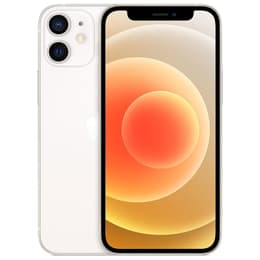
iPhone 12 mini
iPhone 12 mini
Starting at

Refurbished price:£128.00

Versus £579.00 new

See options
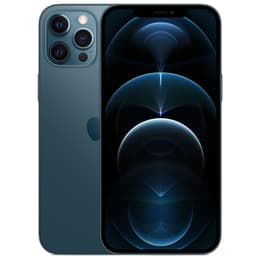
iPhone 12 Pro Max
iPhone 12 Pro Max
Starting at

Refurbished price:£238.00

Versus £979.00 new

See options

Ratings

The iPhone 12 Mini and iPhone 12 Pro Max, both released in late 2020, represent two distinct approaches within the same generation of Apple's smartphone lineup. While they share the same core operating system and processing power, their primary differentiators lie in their physical size, display dimensions, and camera system capabilities. These differences cater to varying user preferences, from extreme portability to expansive screen real estate and advanced photographic tools.

Scores

Durability

Both the iPhone 12 Mini and iPhone 12 Pro Max were launched in November 2020, meaning they benefit from a similar software support timeline from Apple. They are expected to receive iOS updates for several years, ensuring continued access to new features and security enhancements.

  • Software Longevity: Both devices run on iOS and are anticipated to receive updates for approximately 5-6 years from their release, providing a consistent user experience and access to the latest software features. For instance, the iPhone 12 Mini is expected to support iOS 18.x, and the iPhone 12 Pro Max is listed with support up to iOS 26.3.1, though this may be a forward-looking estimate.
  • Physical Durability: Both models feature Apple's Ceramic Shield front cover, which is designed to offer enhanced drop performance compared to previous generations. They also share an IP68 rating for water and dust resistance, allowing submersion up to 6 meters for 30 minutes.
  • Repairability: The iPhone 12 Pro Max received a repairability score of 6 out of 10 by iFixit, indicating a moderate level of ease for repairs. While specific scores for the Mini may vary, Apple devices generally share similar repair considerations within the same generation.

Year of Release

2020

2020

Compatible with latest Update

Yes

Yes

OS

iOS

iOS

Foldable

No

No

Performance

Equipped with the same advanced processing unit, both the iPhone 12 Mini and iPhone 12 Pro Max deliver robust performance for daily tasks and demanding applications, though their internal configurations differ slightly in terms of memory and battery capacity.

  • Processing Power: Both devices are powered by the same current-generation processor, enabling smooth navigation, rapid app loading, and efficient handling of graphically intensive games and complex multitasking scenarios.
  • Multitasking Capability: The iPhone 12 Mini comes with 4GB of RAM, which is sufficient for typical smartphone usage and switching between several applications. The iPhone 12 Pro Max, however, includes 6GB of RAM, offering additional headroom for more intensive multitasking and keeping a greater number of applications active in the background without needing to reload them.
  • Battery Performance: The iPhone 12 Mini, due to its compact size, houses a smaller battery (2227 mAh). This typically translates to a shorter battery life, with some users reporting the need for midday charging, especially with heavy use. In contrast, the iPhone 12 Pro Max features a significantly larger battery (3687 mAh), providing extended usage times that can often last through more than a full day of heavy activity.

Memory

4 GB

6 GB

Screen quality

Both iPhone 12 models feature high-quality OLED displays, offering vibrant colors and deep blacks, but they diverge significantly in terms of physical size and overall viewing experience.

  • Display Technology and Clarity: Both the iPhone 12 Mini and iPhone 12 Pro Max utilize Super Retina XDR OLED displays, providing excellent contrast, true blacks, and vivid color reproduction. The iPhone 12 Mini has a 5.4-inch display with a resolution of 2340x1080 pixels at 476 pixels per inch (ppi). The iPhone 12 Pro Max offers a larger 6.7-inch display with a resolution of 2778x1284 pixels at 458 ppi. While the Mini has a slightly higher pixel density, both screens deliver sharp and clear visuals for typical viewing distances.
  • Brightness and Refresh Rate: Both displays achieve a typical maximum brightness of 625 nits and a peak HDR brightness of 1200 nits, ensuring good visibility even in bright conditions and excellent performance for HDR content. The Pro Max also offers 800 nits typical brightness. Both models feature a standard 60Hz refresh rate, which provides a smooth experience for most content, though it is not as fluid as higher refresh rate displays found in some other devices.
  • Viewing Experience: The iPhone 12 Mini's compact 5.4-inch screen is ideal for one-handed use and portability, making it easy to carry and operate. The iPhone 12 Pro Max's expansive 6.7-inch display offers a more immersive viewing experience, which is particularly beneficial for media consumption, gaming, and productivity tasks where screen real estate is valued.

Resolution

1080 x 2340

1284 x 2778

Screen type

Super Retina XDR OLED

Super Retina XDR OLED

Audiovisual

The camera systems on the iPhone 12 Mini and iPhone 12 Pro Max share many core features but differ significantly in their advanced capabilities, particularly with the Pro Max offering a more versatile setup for photography enthusiasts.

  • Core Camera Systems: The iPhone 12 Mini features a dual 12MP camera system, including a wide-angle lens (f/1.6 aperture) and an ultra-wide-angle lens (f/2.4 aperture). The iPhone 12 Pro Max elevates this with a triple 12MP camera system, adding a telephoto lens (f/2.2 aperture) to its wide-angle (f/1.6) and ultra-wide-angle (f/2.4) lenses.
  • Advanced Photography Features: The Pro Max distinguishes itself with a 2.5x optical zoom in and a 5x optical zoom range, thanks to its dedicated telephoto lens, allowing for clearer zoomed-in shots than digital zoom alone. It also incorporates a LiDAR Scanner, which enhances autofocus in low-light conditions and enables Night mode portraits. Furthermore, the Pro Max's wide camera benefits from sensor-shift optical image stabilization, a technology that moves the sensor itself for improved stability, particularly in challenging lighting. Both models offer Night mode, Deep Fusion, Smart HDR 3, Portrait mode with advanced bokeh, and can record 4K Dolby Vision HDR video.
  • Video and Audio Quality: Both devices are capable of recording high-quality video, including 4K at up to 60 frames per second and HDR video with Dolby Vision. The Pro Max's sensor-shift stabilization can contribute to smoother video capture in dynamic situations. For audio, both offer good microphone quality for calls and video recording, and their stereo speakers provide a clear media consumption experience.

Main camera

12 megapixels

12 megapixels

Front camera

12 megapixels

12 megapixels

Miscellaneous

Beyond their core functionalities, the iPhone 12 Mini and iPhone 12 Pro Max offer a range of practical features and design elements that influence their everyday usability and handling.

  • Connectivity and Charging: Both models support 5G cellular connectivity, including mmWave technology in US models, offering faster download and upload speeds where available. They also feature Wi-Fi 6 (802.11ax) and Bluetooth 5.0 for robust wireless connections. For charging, both utilize the Lightning connector and support MagSafe, a magnetic system for wireless charging and accessories.
  • Physical Design and Handling: The iPhone 12 Mini is notably compact and lightweight, measuring 131.5 x 64.2 x 7.4 mm and weighing 135 grams. This makes it highly suitable for one-handed use and easy pocketability. In contrast, the iPhone 12 Pro Max is a significantly larger and heavier device, with dimensions of 160.8 x 78.1 x 7.4 mm and a weight of 228 grams. Its size provides an expansive screen but requires two-handed operation for most users.
  • Build Materials and Security: Both phones feature a Ceramic Shield front cover for enhanced durability. The iPhone 12 Mini has an aluminum frame, while the iPhone 12 Pro Max uses a more robust stainless steel frame. Both models incorporate Face ID for secure facial recognition and authentication.

Weight

135 g

226 g

Width

6,42 cm

7,81 cm

Height

13,15 cm

16,08 cm

Depth

0,74 cm

0,74 cm

Screen size (in)

5.4

6.7

Network

5G

5G

SIM card

Physical SIM + eSIM

Physical SIM + eSIM

Carrier compatibility

Unlocked

Unlocked

Connector

Lightning

Lightning

The iPhone 12 Mini and iPhone 12 Pro Max, while part of the same generation, cater to distinctly different user needs and preferences. User feedback often highlights the Mini's exceptional portability and ease of one-handed use as its main strengths, making it a favorite for those who prefer a compact device that still delivers flagship performance. However, its smaller battery capacity is a frequent point of criticism, with many users finding it requires more frequent charging, especially with moderate to heavy usage.

Conversely, the iPhone 12 Pro Max is widely praised for its expansive display, which enhances media consumption and productivity, and its significantly longer battery life, often lasting well over a day even for demanding users. Its advanced camera system, featuring a telephoto lens, LiDAR scanner, and sensor-shift stabilization, is also a major draw for those prioritizing photography and videography. The primary concern for the Pro Max is its substantial size and weight, which can make one-handed operation challenging and pocketability less convenient for some individuals.

Users prioritizing a highly portable device for everyday communication and light to moderate app usage, where a compact form factor is paramount, may find the iPhone 12 Mini well-suited to their needs. On the other hand, users who value an immersive viewing experience, extended battery endurance, and a more versatile camera system for creative pursuits or professional use will likely lean towards the iPhone 12 Pro Max. Both models offer a quality-assured refurbished option, providing an eco-friendly alternative for consumers seeking these devices.

See all articles

Our recent comparisons