
Compare models
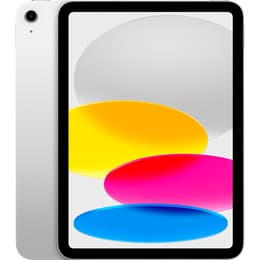
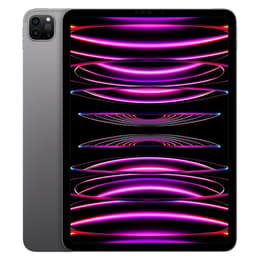
iPad 11 (2025, A16 series) Vs iPad Pro (2022, M2 series)
- 1-year minimum warranty
- Free delivery on all items
- Free 30-day returns
Differences at a glance
The iPad 11 (2025) and the iPad Pro (2022, M2 series) represent two distinct approaches to Apple's tablet lineup, balancing everyday accessibility with advanced capability. While the iPad 11 serves as a streamlined option for daily tasks, the iPad Pro delivers workstation-class performance features in a professional form factor. Both devices run on iPadOS, ensuring a familiar interface, though their internal hardware differences shape distinct user experiences.
Available Models
Colour
Storage
Scores
Durability
When evaluating longevity and build durability, both tablets offer robust aluminium chassis construction and reliable multi-year software support from Apple. However, differences in release timing and internal architecture influence their long-term operational outlook.
- Software longevity: The iPad Pro benefits from a powerful desktop-class processor that easily handles demanding system updates, whereas the newer iPad 11 enters the market with a longer baseline update window due to its more recent launch date.
- Repairability: Both models adhere to standard industry repairability margins, requiring professional service for internal component replacements while maintaining sturdy outer shells resistant to normal daily wear.
Year of Release
2025
2022
Compatible with latest Update
Yes
Yes
OS
iPadOS
iPadOS
Maximum Operating System supported
iPadOS 18
iPadOS 18
Performance
Underneath the exterior, these devices utilize vastly different hardware configurations that affect speed, multitasking, and battery endurance during intensive workflows.
- System responsiveness: The iPad Pro handles heavy video editing, 3D rendering, and advanced multitasking effortlessly through its desktop-grade processor architecture, while the iPad 11 smoothly manages web browsing, streaming, and standard productivity apps.
- Battery behavior: Both tablets provide consistent all-day power for typical tasks, though intensive gaming or professional creative work on the iPad Pro draws more power and may require earlier recharging compared to the energy-efficient processing of the iPad 11.
Processor
Apple A16
Apple M2
Screen quality
Visual output is a primary differentiator, as screen technologies vary significantly between the standard model and the professional-tier variant.
- Display technology: The iPad Pro incorporates an advanced high-refresh-rate panel with fluid scrolling and exceptional peak brightness, whereas the iPad 11 features a standard liquid crystal display adequate for daily media consumption and reading.
- Viewing experience: Users working outdoors or consuming HDR media will notice the superior contrast and brightness range of the iPad Pro, while the iPad 11 provides clear, natural color reproduction suited for indoor environments.
Resolution
2360 x 1640
2388 x 1668
True Tone
Yes
Yes
Pro-Motion
No
Yes
Screen type
Liquid Retina display
Liquid Retina XDR
Pixel density
264ppp
264ppp
Brightness
500 nits brightness
600 nits brightness max
Sound quality
Speakers
Stereo speakers (landscape)
Four speaker audio
Audiovisual
Media creation and audio-visual playback capabilities cater to different multimedia needs across both hardware options.
- Camera systems: The iPad Pro features a versatile multi-lens rear array including an ultra-wide sensor and a LiDAR scanner for spatial awareness, whereas the iPad 11 relies on a single, straightforward rear camera sufficient for scanning documents and casual snapshots.
- Audio output: The iPad Pro delivers a robust quad-speaker setup with wide sound dispersion, while the iPad 11 utilizes a balanced stereo speaker configuration adequate for standard video calls and casual listening.
Miscellaneous
Practical daily usability elements such as security features, connectivity, and physical handling distinguish the two form factors.
- Authentication methods: The iPad Pro utilizes secure facial recognition for quick unlocking and authorization, whereas the iPad 11 integrates a fingerprint sensor into the top power button for biometric security.
- Connectivity and ports: Both models support fast wireless standards and high-speed data transfer through versatile port options, ensuring seamless connection to external drives, displays, and accessories.
Weight
477 g
466 g
Width
179.5 cm
17.85 cm
Height
248.6 cm
24.76 cm
Depth
7 cm
0.59 cm
Screen size (in)
11
11
Network
Wi-Fi
Wi-Fi
Carrier compatibility
Without SIM Port
Without SIM Port
Wi-Fi technology
Wi-Fi 6 802.11ax
Wi-Fi 6 802.11ax
Bluetooth Version
Bluetooth 5.3
Bluetooth 5.3
Face ID
No
Yes
Touch ID
Yes
No
Connector
USB Type-C
USB Type-C
What the community thinks
User feedback from online communities highlights distinct preferences for each device depending on daily requirements. Owners of the iPad Pro frequently praise its fluid display performance and robust processing power for creative tasks, though some note its heavier weight during prolonged handheld reading. Conversely, users of the iPad 11 appreciate its lightweight handling and reliable everyday efficiency, while noting limitations when running professional-grade software workloads.
Users prioritizing advanced graphical performance and professional creative tools will find the iPad Pro well-suited to their needs, while users seeking a dependable, lightweight device for web browsing and media streaming may lean toward the iPad 11. Exploring a quality-assured refurbished option provides a sustainable choice that aligns high-end technology with eco-friendly purchasing goals. Ultimately, selecting the right tablet depends on aligning hardware capabilities with individual workflow demands.