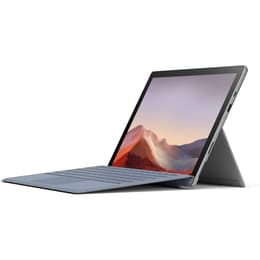

HP EliteBook X360 1040 G8 14" Vs Microsoft Surface Pro 7 12"

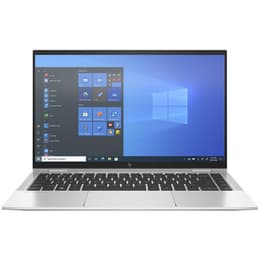
HP EliteBook X360 1040 G8 14"
Starting at

Refurbished price:£405.00

Versus £1,184.02 new

See options
Microsoft Surface Pro 7 12"
Starting at

Refurbished price:£184.00

Versus £1,509.25 new

See options

Ratings

The HP EliteBook x360 1040 G8, released in January 2021, and the Microsoft Surface Pro 7, launched in October 2019, are both versatile computing devices designed for productivity and flexibility. While the EliteBook is a convertible laptop with a 360-degree hinge, the Surface Pro 7 is a detachable 2-in-1 tablet. Both run on the Windows operating system, offering a familiar software experience, but they cater to slightly different user preferences through their distinct form factors and feature sets.

Scores

Durability

When considering the longevity of these devices, their release timelines and ongoing support are key factors. The HP EliteBook x360 1040 G8, being a newer model, generally benefits from a longer expected period of software and driver updates compared to the Surface Pro 7.

  • Release Timeline: The EliteBook x360 1040 G8 was released in early 2021, while the Surface Pro 7 debuted in late 2019. This difference in launch date means the EliteBook has a more recent hardware foundation.
  • Software Support: The Surface Pro 7 reached its end of driver and firmware support in February 2024, though it continues to receive Windows OS feature and security updates. The EliteBook x360 1040 G8, running on a newer generation of components, is expected to receive driver and firmware updates for a longer duration.
  • Repairability: Both devices feature designs that integrate components tightly, which can impact the ease of repair. The EliteBook's RAM is soldered, limiting upgradeability, while the Surface Pro 7 also has non-upgradable RAM and storage.

Year of Release

2020

2019

Last Os Compatibility

Yes

Yes

OS

Windows 11

Windows 11

Performance

Both devices offer capable performance for everyday tasks, but they differ in their underlying processing power and how they handle demanding applications. The EliteBook x360 1040 G8 features a more recent generation of internal components.

  • Processor Capabilities: The HP EliteBook x360 1040 G8 is equipped with 11th-generation Intel Core processors, providing efficient performance for multitasking and business applications. The Microsoft Surface Pro 7 uses 10th-generation Intel Core processors, which handle daily computing and light productivity tasks smoothly.
  • Storage and Memory: The EliteBook x360 1040 G8 offers up to 32GB of LPDDR4x RAM and up to 2TB of NVMe SSD storage. The Surface Pro 7 comes with options up to 16GB of LPDDR4x RAM and up to 1TB of SSD storage. Both devices have soldered RAM, meaning it cannot be upgraded after purchase.
  • Real-world Responsiveness: Users of the EliteBook x360 1040 G8 generally report smooth operation across various workloads, including demanding business applications. The Surface Pro 7 provides a responsive experience for general use, though some users have noted occasional slowdowns with heavier multitasking.

Memory (GB)

32 GB

8 GB

Processor

Core i7-1185G7

Core i5 - Gen 10 (G4)

Graphic card

Integrated Graphics

Integrated Graphics

Screen quality

The visual experience on these devices is a significant differentiator, with variations in display technology, size, and resolution that cater to different user needs.

  • Display Technology and Size: The HP EliteBook x360 1040 G8 features a 14-inch display, available in FHD (1920 x 1080) IPS or 4K UHD (3840 x 2160) IPS/HDR-400 options. The Microsoft Surface Pro 7 has a 12.3-inch PixelSense display with a resolution of 2736 x 1824.
  • Brightness and Clarity: The EliteBook x360 1040 G8 offers configurations with up to 1000 nits of brightness, making it suitable for outdoor use and offering integrated privacy screen options. The Surface Pro 7's display is known for its sharp detail and vivid colors, providing a clear viewing experience.
  • Aspect Ratio and Refresh Rate: The EliteBook typically features a 16:9 aspect ratio, while the Surface Pro 7 uses a 3:2 aspect ratio, which can offer more vertical screen real estate for document work. Both displays generally operate at a standard 60Hz refresh rate.

Resolution

1920 x 1080

2736 x 1824

Screen type

IPS

IPS

Audiovisual

Both devices incorporate camera and audio systems designed for communication and media consumption, with specific features tailored to their form factors.

  • Camera System: The HP EliteBook x360 1040 G8 includes an HD 720p webcam, often with an electronic privacy shutter for enhanced security. The Microsoft Surface Pro 7 features a Windows Hello face authentication camera, a front-facing camera, and a rear camera, suitable for video calls and occasional photography.
  • Microphone Quality: The EliteBook x360 1040 G8 is equipped with dual array microphones, while the Surface Pro 7 features Microsoft's 'Studio Mics' technology, both designed to capture clear audio for calls and recordings by focusing on the speaker's voice.
  • Speaker Output: The EliteBook x360 1040 G8 boasts Bang & Olufsen tuned stereo speakers, aiming for a rich audio experience. The Surface Pro 7 offers Dolby Audio Premium speakers, providing clear sound for media consumption.

Miscellaneous

Beyond core performance and display, several practical elements contribute to the overall user experience, including connectivity, physical ports, and design considerations.

  • Connectivity Options: The HP EliteBook x360 1040 G8 supports Wi-Fi 6 and Bluetooth 5.2, with optional 5G/LTE connectivity for mobile professionals. The Surface Pro 7 also includes Wi-Fi 6 and Bluetooth, offering modern wireless standards.
  • Port Selection: The EliteBook x360 1040 G8 provides a comprehensive selection with two Thunderbolt 4 (USB-C) ports, two USB-A ports, an HDMI 2.0 port, a 3.5mm audio jack, and a Nano SIM slot. The Surface Pro 7 includes one USB-C port, one USB-A port, a 3.5mm headphone jack, a Surface Connect port, and a MicroSDXC card reader.
  • Design and Handling: The EliteBook x360 1040 G8 is a 14-inch convertible laptop weighing between 1.21 kg and 1.32 kg, offering a traditional laptop feel with tablet flexibility. The Surface Pro 7, at 1.74 lbs (0.79 kg) for the tablet only, is lighter and designed for portability as a tablet with an attachable keyboard.

Weight

1310 g

775 g

Screen size

14

12

User feedback for the HP EliteBook x360 1040 G8 often highlights its robust build quality, comprehensive security features, and strong battery life for a business-oriented convertible. Common praise points include its versatile 360-degree hinge and a wide array of ports, including Thunderbolt 4. Some users note the soldered RAM as a limitation for future upgrades.

The Microsoft Surface Pro 7 is frequently lauded for its excellent display, portable tablet form factor, and the convenience of its detachable keyboard and kickstand. Users appreciate its utility for note-taking and light productivity. However, common criticisms revolve around its battery life, which some users find inconsistent and shorter than advertised, and its somewhat dated design with thicker bezels compared to newer devices. The end of driver and firmware support is also a consideration for long-term users.

Users prioritizing a traditional laptop experience with the added flexibility of a convertible design, robust security, and a wider port selection may prefer the HP EliteBook x360 1040 G8. Its larger screen and newer internal components make it well-suited for professionals requiring consistent performance and connectivity. Conversely, users who value extreme portability, a tablet-first experience, and a high-resolution, pen-enabled display for creative or note-taking tasks might find the Microsoft Surface Pro 7 more aligned with their needs. For those seeking a more sustainable choice, both models are available as quality-assured refurbished options, offering an eco-friendly alternative to purchasing new devices.


See all articles

Our recent comparisons