Galaxy S21 5G Vs iPhone 13 Pro Max

Galaxy S21 5G
Galaxy S21 5G
Starting at

Refurbished price:£133.00

Versus £829.00 new

See options
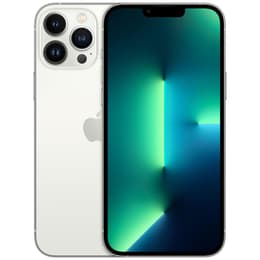
iPhone 13 Pro Max
iPhone 13 Pro Max
Starting at

Refurbished price:£272.00

Versus £1,259.00 new

See options

Ratings

The Samsung Galaxy S21 5G and the iPhone 13 Pro Max, both released in 2021, represent two distinct approaches to the flagship smartphone experience. While the Galaxy S21 5G focuses on a compact, ergonomic design with the flexible Android operating system, the iPhone 13 Pro Max offers a much larger footprint and the integrated iOS ecosystem. These devices cater to different user preferences, particularly regarding physical size and software customisation, providing high-end features in very different form factors.

Both smartphones were designed to offer the best of their respective brands at the time of launch. The Galaxy S21 5G serves as a versatile, one-handed device for everyday tasks, while the iPhone 13 Pro Max is a powerhouse built for media consumption and long-lasting utility. Understanding the practical differences in their hardware and software support is key to deciding which model fits your lifestyle.

Scores

Durability

The Galaxy S21 5G and iPhone 13 Pro Max offer different expectations for long-term use based on their release cycles and manufacturer support policies.

  • Software Longevity: The iPhone 13 Pro Max typically receives software updates for six to seven years, ensuring it remains compatible with the latest apps and security features well into the late 2020s. The Galaxy S21 5G follows a structured update policy that provides four years of major operating system upgrades and five years of security patches, meaning its official support window is slightly shorter than its counterpart.
  • Physical Resilience and Repair: The Galaxy S21 5G features a reinforced polycarbonate back which is highly resistant to cracks from drops, while the iPhone 13 Pro Max uses a stainless steel frame and glass back for a heavy, rigid feel. Both devices have established repair networks, though the modular nature of certain internal components in the Galaxy model can sometimes simplify specific hardware fixes compared to the tightly integrated assembly of the iPhone.
  • Practical Lifespan: Given the robust build quality of both, users can expect several years of reliable service. The iPhone may have a slight edge for those planning to keep their device for more than five years due to the extended software support, whereas the Galaxy remains a strong contender for those who prefer the durability of a non-glass back.

Year of Release

2021

2021

Compatible with latest Update

Yes

Yes

OS

Android

iOS

Foldable

No

No

Performance

Everyday responsiveness and power management differ significantly between these two models due to their internal optimisations and battery capacities.

  • System Responsiveness: Both devices handle demanding tasks like high-definition video editing and intensive multitasking with ease. The Galaxy S21 5G provides a fluid experience when switching between multiple open apps, while the iPhone 13 Pro Max is noted for its consistent frame rates and smooth animations during heavy gaming sessions. Users will find that both phones remain fast and responsive even when running the most modern applications.
  • Battery Endurance: The iPhone 13 Pro Max is widely recognised for its exceptional battery life, often lasting through two days of moderate use or a full day of very heavy activity. The Galaxy S21 5G, being a smaller device, has a more modest battery capacity that comfortably covers a full day for average users but may require a top-up in the evening for those who use their phone constantly for navigation or streaming.
  • Storage and Multitasking: Both models offer various storage capacities to house large photo libraries and apps. The Galaxy S21 5G is equipped with ample memory to keep background tasks running efficiently, while the iPhone 13 Pro Max uses its integrated software to manage resources effectively, ensuring that the system never feels sluggish even when the storage is nearly full.

Memory (GB)

8 GB

6 GB

Screen quality

The viewing experience on these devices is shaped by their size and the specific display technologies used to produce vibrant imagery.

  • Display Technology and Fluidity: Both smartphones utilise advanced OLED technology, which provides deep blacks and high contrast for an immersive viewing experience. They both feature a high refresh rate that adjusts dynamically, making scrolling through social media feeds or system menus feel incredibly smooth and responsive to the touch. The iPhone offers high peak brightness for visibility in direct sunlight, while the Galaxy provides excellent colour accuracy for media consumption.
  • Size and Immersion: The most striking difference is the physical screen real estate; the iPhone 13 Pro Max features a massive 6.7-inch display that is ideal for watching films or productivity tasks. In contrast, the Galaxy S21 5G uses a 6.2-inch screen, which offers a more manageable experience for one-handed use while still providing enough space for clear text and detailed photos.
  • Resolution and Clarity: Both screens offer high pixel density, meaning text looks sharp and images appear detailed. The iPhone's larger screen provides a more cinematic feel for video, while the Galaxy's more compact display makes it easier to reach all corners of the screen with a thumb, balancing clarity with practical ergonomics.

Resolution

1080 x 2400

1284 x 2778

Screen type

Dynamic AMOLED 2X

Super Retina XDR OLED

Audiovisual

Photography and media recording capabilities are central to both devices, though they excel in different areas of image processing.

  • Camera Versatility: The Galaxy S21 5G includes a high-resolution telephoto lens that allows for clear zoomed-in shots, making it useful for capturing distant subjects at events or in nature. The iPhone 13 Pro Max focuses on a balanced triple-lens system that prioritises natural colour reproduction and exceptional detail in the main and ultra-wide sensors, performing reliably across various lighting conditions from bright daylight to dim interiors.
  • Video and Audio Capture: For users who record a lot of video, the iPhone 13 Pro Max offers advanced stabilisation and cinematic features that produce professional-looking results. The Galaxy S21 5G provides sharp video recording with excellent microphone clarity, effectively filtering out background noise during calls or voice memos. Both devices deliver loud, clear stereo sound through their built-in speakers.
  • Low-Light Performance: Both phones feature dedicated night modes that brighten dark scenes without introducing excessive noise. The iPhone 13 Pro Max often produces slightly more natural-looking night shots, while the Galaxy S21 5G tends to brighten the shadows more aggressively, which some users may prefer for sharing on social media.

Main camera

12 megapixels

12 megapixels

Front camera

10 megapixels

12 megapixels

Miscellaneous

Practical features like connectivity and physical handling play a major role in how these devices fit into a user's daily routine.

  • Connectivity and Ports: Both phones support 5G for fast mobile data and include modern Wi-Fi and Bluetooth standards for stable connections to accessories. The Galaxy S21 5G uses the widely compatible USB-C port for charging and data transfer, whereas the iPhone 13 Pro Max utilises the proprietary Lightning connector. This difference may influence users who already own a variety of cables or accessories for one specific ecosystem.
  • Biometrics and Ergonomics: The Galaxy S21 5G employs an ultrasonic fingerprint sensor hidden beneath the display, allowing for quick unlocking even with damp fingers. The iPhone 13 Pro Max relies on sophisticated facial recognition technology, which is highly secure and works well in most lighting environments. In terms of handling, the Galaxy is significantly lighter and narrower, making it easier to carry in a pocket.
  • Build Materials: The iPhone 13 Pro Max uses a stainless steel frame that adds significant weight but provides a very substantial and sturdy feel in the hand. The Galaxy S21 5G uses a high-quality plastic back and aluminium frame, which keeps the device light and comfortable for long periods of use without causing hand fatigue.

Weight

169 g

238 g

Width

7.12 cm

7,81 cm

Height

15.17 cm

16,08 cm

Depth

0.79 cm

0,76 cm

Screen size (in)

6.2

6.7

Mobile network

5G

5G

SIM card

Dual Physical SIM + eSIM

Physical SIM + eSIM

Carrier compatibility

Unlocked

Unlocked

Public sentiment and user reviews highlight distinct strengths for both the Galaxy S21 5G and the iPhone 13 Pro Max. Users frequently praise the Galaxy S21 5G for its comfortable, lightweight design and the vibrant quality of its display, though some note that the battery life is strictly a one-day affair. Conversely, the iPhone 13 Pro Max is often lauded as a battery champion, with many users expressing satisfaction at how long it lasts between charges, despite some finding its large size and weight a bit cumbersome for daily portability.

The choice between these two depends largely on personal priorities. Users who prefer a compact, easy-to-handle device with a flexible operating system will likely find the Galaxy S21 5G to be an ideal fit. Those who prioritise maximum battery life, a large screen for media, and a long-term commitment to software updates may lean toward the iPhone 13 Pro Max. Both devices remain highly capable choices in the current market. Choosing a quality-assured refurbished option is a sustainable choice that allows users to access these high-end features while reducing electronic waste. Opting for an eco-friendly alternative like a refurbished model ensures that these powerful smartphones continue to serve a purpose for years to come.

Ultimately, both smartphones offer a premium experience that has aged well. Whether you value the portability and fingerprint security of the Samsung or the endurance and ecosystem integration of the Apple device, both represent significant achievements in mobile technology from their era.

See all articles

Our recent comparisons