Compare models

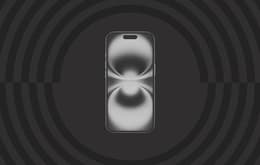
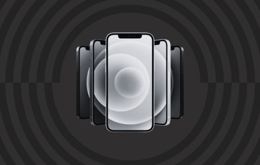
Google Pixel 10 Vs iPhone 16 Pro

  • 1-year minimum warranty
  • Free delivery on all items
  • Free 30-day returns
Google Pixel 10
Starting at

Refurbished price:£404.00

Versus £789.14 new

See options
iPhone 16 Pro
Starting at

Refurbished price:£523.00

Versus £999.00 new

See options

Differences at a glance

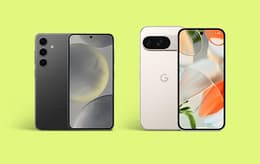
The Google Pixel 10 (2025) and the Apple iPhone 16 Pro (2024) represent flagship options from two major smartphone ecosystems. While both devices offer polished daily experiences in a compact form factor, they differ primarily in their underlying operating systems and specialized hardware features. The Google Pixel 10 runs on Android with deep integration of intelligent automation, while the iPhone 16 Pro operates on iOS with a strong emphasis on professional-grade hardware integration and media creation tools.

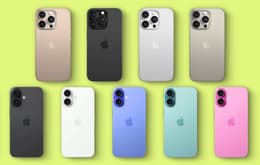
Available Models

Colour

Storage

Scores

Durability

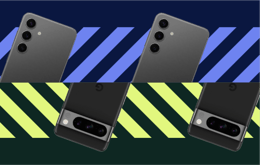
Both smartphones are built to remain functional and secure for many years, though their update cycles and repair ecosystems differ.

  • Software Longevity: The Google Pixel 10 benefits from extended system updates spanning several years, while the iPhone 16 Pro relies on Apple's established history of long-term iOS support.
  • Repairability and Build: Both models utilize robust outer materials designed to withstand everyday wear, with structured repair networks available for addressing accidental damage.
  • Practical Lifespan: Component quality and sustained software maintenance ensure that both devices easily handle daily communication and utility tasks over a multi-year ownership window.

Year of Release

2025

2024

Compatible with latest Update

Yes

Yes

Foldable

No

No

Performance

Everyday responsiveness and multitasking are handled efficiently on both devices through current-generation internal hardware and memory configurations.

  • App Multitasking: Generous random access memory allocations on both models allow demanding applications and browser tabs to remain active in the background without sudden reloads.
  • System Responsiveness: Navigation, scrolling, and app launching occur smoothly without noticeable stutter, ensuring a fluid user experience across productivity and entertainment tasks.
  • Storage and Battery Behavior: Both devices offer multiple storage tiers and adaptive power management to sustain moderate to heavy daily usage patterns before requiring a recharge.

Screen quality

Display characteristics on both smartphones prioritize visual clarity, outdoor visibility, and smooth motion reproduction.

  • Display Technology: Both devices feature high-resolution OLED panels that deliver deep contrast levels, sharp text rendering, and vivid color reproduction.
  • Refresh Rate and Motion: Adaptive refresh rates scaling up to a high frequency ensure fluid scrolling animations and responsive touch feedback during navigation.
  • Outdoor Visibility: High peak brightness capabilities allow content to remain easily legible even under direct sunlight or bright ambient lighting conditions.

Resolution

1080x2424

1206 x 2622

Screen type

OLED

LTPO Super Retina XDR OLED

Audiovisual

Imaging capabilities on these models cater to versatile everyday photography as well as detailed video recording.

  • Camera Systems: Both devices incorporate multi-lens rear setups featuring primary wide lenses and secondary ultra-wide options for varied framing choices.
  • Low-Light and Video: Advanced sensor hardware and processing algorithms capture clear details in dim environments and stabilize high-resolution video recordings effectively.
  • Media Consumption: Stereo speaker output delivers clear audio for phone calls, video playback, and casual gaming sessions.

Front camera

42 megapixels

12 megapixels

Miscellaneous

Connectivity, physical handling, and everyday convenience features shape how each device fits into routine use.

  • Connectivity Standards: Both models support modern 5G cellular networks, fast Wi-Fi protocols, and precise satellite positioning systems for reliable navigation.
  • Physical Dimensions: Ergonomic sizing and balanced weight distributions ensure comfortable single-handed operation and pocketability.
  • Authentication and Ports: Secure biometric unlocking methods and universal USB-C connectivity facilitate straightforward accessory pairing and secure daily access.

Weight

204 g

199 g

Screen size (in)

6.3

6.3

Mobile network

5G

5G

SIM card

Physical SIM + eSIM

Physical SIM + eSIM

Carrier compatibility

Unlocked

Unlocked

Connector

USB-C

USB-C (USB 3)

What the community thinks

When deciding between these two devices, user preferences often come down to software ecosystem and specific functional priorities. Users who prefer a customisable interface, integrated automated assistants, and flexible notification management may lean toward the Google Pixel 10. Conversely, users who value a tightly integrated device ecosystem, robust video production tools, and long-term hardware resale stability often find the iPhone 16 Pro well-suited to their needs.

Opting for a quality-assured refurbished option from Back Market provides a sustainable choice that extends device lifecycles while reducing electronic waste. Reviewing personal software habits and preferred interface designs will help clarify which smartphone aligns best with your daily routine.