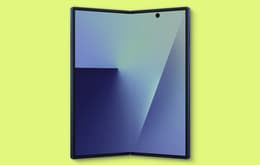
Galaxy Z Flip6 Vs iPhone 13 mini

Galaxy Z Flip6
Galaxy Z Flip6
Starting at

Refurbished price:£335.00

Versus £1,011.35 new

See options
iPhone 13 mini
iPhone 13 mini
Starting at

Refurbished price:£185.00

Versus £649.00 new

See options

Ratings

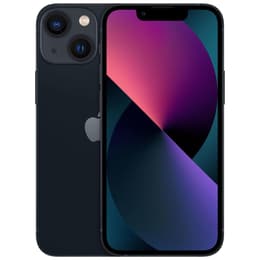
The Samsung Galaxy Z Flip6 (2024) and the Apple iPhone 13 Mini (2021) represent two distinct approaches to smartphone portability. While the Galaxy Z Flip6 utilises a folding mechanism to offer a large screen in a pocketable footprint, the iPhone 13 Mini relies on a traditional, ultra-compact design for easy one-handed use.

These devices run on Android and iOS respectively, offering different ecosystems for users. Choosing between them involves weighing the innovation of foldable technology against the simplicity of a small, classic smartphone.

Scores

Durability

The Galaxy Z Flip6 and iPhone 13 Mini differ significantly in their expected lifespans and physical resilience.

  • Software Longevity: The Galaxy Z Flip6 (2024) has a seven-year update commitment. The iPhone 13 Mini (2021) is further along its lifecycle, though it receives regular iOS updates that typically span six to seven years from release.
  • Physical Construction: The iPhone 13 Mini features a rigid design with a glass front and back. The Galaxy Z Flip6 introduces a folding hinge and a flexible internal display; while engineered for durability, it contains more moving parts than the static iPhone.
  • Repairability: Standard smartphones like the iPhone 13 Mini are generally more straightforward to service for common issues. The Galaxy Z Flip6 requires more specialised handling due to its intricate folding components and dual-screen setup.

Year of Release

2024

2021

Compatible with latest Update

Yes

Yes

OS

Android

iOS

Foldable

Yes

No

Performance

Everyday responsiveness and multitasking capabilities vary between these two models, which both offer multiple storage capacities to suit different user needs.

  • System Fluidity: The Galaxy Z Flip6 handles demanding applications easily. Switching between several open apps feels instantaneous. The iPhone 13 Mini remains capable for its size, providing a smooth experience for social media and browsing, though it may show slight pauses when launching modern, resource-heavy games.
  • Battery Endurance: The iPhone 13 Mini houses a smaller battery that requires daily charging. The Galaxy Z Flip6 features a larger battery capacity to support its two displays, generally lasting through a full day of moderate use, though the high-refresh-rate main screen can increase power consumption.
  • Memory Management: With a higher amount of temporary memory, the Galaxy Z Flip6 is better suited for keeping many background tasks active. The iPhone 13 Mini manages its memory efficiently through software optimisation, but users may find that apps refresh more often when jumping between them.

Memory (GB)

12 GB

4 GB

Screen quality

The viewing experience is perhaps the most dramatic point of comparison, as one device prioritises an expansive canvas while the other focuses on extreme portability.

  • Display Technology: The Galaxy Z Flip6 features a vibrant, flexible OLED main screen and a smaller external cover screen for notifications. The iPhone 13 Mini uses a high-quality OLED panel that provides excellent colour accuracy and sharpness, though it lacks the secondary display found on the Samsung.
  • Smoothness and Motion: The Samsung model supports a high refresh rate, making scrolling and animations appear fluid. The iPhone 13 Mini uses a standard refresh rate, which is consistent and reliable but does not offer the same level of perceived smoothness during fast-paced visual transitions.
  • Outdoor Visibility: Both screens are legible in bright conditions, but the Galaxy Z Flip6 can reach higher peak brightness levels, making it easier to read under direct sunlight. The iPhone 13 Mini remains clear in most environments, though users might seek shade in very bright settings.

Resolution

1080 x 2640

1080 x 2340

Screen type

Foldable Dynamic LTPO AMOLED 2X

Super Retina XDR OLED

Audiovisual

Photography and media consumption are handled differently by these two devices, reflecting their unique form factors.

  • Camera Versatility: The Galaxy Z Flip6 is equipped with a high-resolution main sensor and an ultra-wide lens. Its folding design enables Flex Mode for hands-free photos. The iPhone 13 Mini features a dual-camera system that is praised for its natural colour reproduction and reliable performance in everyday snapshots.
  • Video Capabilities: Apple's compact device is well-regarded for its stable and high-quality video recording, making it a favourite for social media content. The Galaxy Z Flip6 offers advanced video features and the ability to record while partially folded, providing unique angles that traditional phones cannot easily achieve.
  • Audio Experience: The Galaxy Z Flip6 provides a wider soundstage through its stereo speakers, which is beneficial for watching films on its larger screen. The iPhone 13 Mini produces clear and balanced audio, though its smaller physical size limits the depth of the sound compared to the Samsung.

Main camera

50 megapixels

12 megapixels

Front camera

10 megapixels

12 megapixels

Miscellaneous

Practical considerations such as connectivity and physical handling play a large role in the daily user experience.

  • Connectivity and Ports: Both smartphones support 5G and include modern Wi-Fi and Bluetooth standards. The Galaxy Z Flip6 uses a universal USB-C port for charging and data transfer, while the iPhone 13 Mini utilises the Lightning connector, which is specific to older Apple devices.
  • Biometrics and Security: The iPhone 13 Mini uses facial recognition technology for secure unlocking, which works quickly in most lighting conditions. The Galaxy Z Flip6 features a fingerprint sensor built into the power button on the side, allowing for easy access even when the device is folded.
  • Portability and Weight: The iPhone 13 Mini is one of the lightest and smallest modern smartphones available, making it almost unnoticeable in a pocket. The Galaxy Z Flip6 is heavier and thicker when folded, but it offers a much larger screen once opened, reducing height rather than overall volume.

Weight

187 g

140 g

Screen size (in)

6.7

5.4

Mobile network

5G

5G

SIM card

Physical SIM + eSIM

Physical SIM + eSIM

Carrier compatibility

Unlocked

Unlocked

Owners of the iPhone 13 Mini frequently praise its size for one-handed use and its powerful performance for such a small frame. However, some users note that the battery life can be a challenge during long days away from a charger. On the other hand, Galaxy Z Flip6 users enjoy the folding screen and the utility of the cover display for quick tasks, though some express caution regarding the long-term durability of the folding mechanism.

Users who prioritise a large, immersive screen for media and multitasking, but still want a device that fits easily into small pockets, will find the Galaxy Z Flip6 aligns well with their needs. Conversely, those who prefer a traditional, lightweight smartphone that can be operated entirely with one hand may find the iPhone 13 Mini to be the more practical choice. Choosing a quality-assured refurbished option for either of these models is an eco-friendly alternative that supports a more circular economy. Both devices offer distinct benefits: the Samsung provides cutting-edge folding technology and longer software support, while the Apple device offers a classic, compact experience. The decision rests on whether you value the innovative flexibility of a foldable or the proven, compact reliability of a mini smartphone. Selecting a sustainable choice through refurbishment ensures these devices continue to serve users.

See all articles

Our recent comparisons