
Compare models
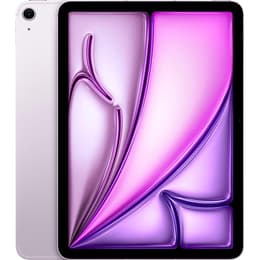
Galaxy Tab A11+ (11.0", 2025) Vs iPad Air 7 (2025, M3 series)
- 1-year minimum warranty
- Free delivery on all items
- Free 30-day returns
Differences at a glance
The Samsung Galaxy Tab A11+ (2025) and the Apple iPad Air 7 (2025, M3 series) are versatile tablets designed for distinct operating systems and user ecosystems. While the Galaxy Tab A11+ runs on Android and offers an accessible everyday tablet experience, the iPad Air 7 utilizes iPadOS powered by desktop-class processing architecture. These two devices cater to different preferences in software integration, workflow styles, and media consumption habits.
Available Models
Colour
Storage
Scores
Durability
Both tablets provide reliable long-term support, though their hardware lifespans align with their respective manufacturer ecosystems and software update policies.
- Software Support Duration: The Galaxy Tab A11+ receives multi-year Android and security updates, while the iPad Air 7 benefits from Apple's extended iPadOS lifecycle and timely platform upgrades.
- Build and Repairability: Both devices feature solid aluminum or reinforced composite construction designed to withstand daily travel, with standardized repair pathways available through manufacturer and quality-assured refurbished service channels.
- Expected Lifespan: Hardware components on both models maintain stable performance over years of typical use, though processing headroom ensures the iPad retains high-end utility longer for intensive tasks.
Year of Release
2025
2025
Compatible with latest Update
Yes
Yes
OS
Android
iPadOS
Performance
System responsiveness and multitasking capabilities vary significantly due to the underlying hardware platforms built into each tablet.
- Processor Capabilities: The iPad Air 7 handles demanding 3D rendering, complex creative apps, and advanced multitasking smoothly, while the Galaxy Tab A11+ manages everyday web browsing, media streaming, and standard productivity apps reliably.
- Storage and Memory: Storage configurations on the iPad Air start higher and scale up extensively, whereas the Galaxy Tab A11+ offers expandable storage via a microSD card slot for flexible media management.
- Battery Behavior: Both devices deliver a full day of mixed use on a single charge, supporting continuous reading, streaming, and casual work sessions without requiring mid-day replenishment.
Screen quality
Display technologies differ between the two models, impacting visual clarity, color reproduction, and motion smoothness during daily use.
- Display Technology: The iPad Air 7 features a high-resolution Liquid Retina display with wide color support for accurate visuals, while the Galaxy Tab A11+ utilizes a practical TFT LCD screen with a smooth 90Hz refresh rate.
- Brightness and Outdoor Legibility: Both screens provide adequate brightness for indoor environments and shaded outdoor areas, though direct sunlight may require manual adjustments on both models.
- Viewing Experience: The 11-inch form factor on both devices delivers a comfortable viewing area for watching videos, reading digital documents, or managing split-screen applications.
Resolution
1920 x 1200
2360 x 1640
Pixel density
180ppp
264ppp
Audiovisual
Optics and media playback systems are tailored for casual video calls, document scanning, and everyday entertainment.
- Camera Systems: The iPad Air 7 includes a high-resolution front camera centered for landscape video calls with automated framing features, complemented by a capable rear lens. The Galaxy Tab A11+ features dependable front and rear sensors suitable for quick snapshots and online meetings.
- Audio Output: Built-in stereo speakers on both tablets deliver clear sound for listening to podcasts, watching movies, or participating in video conferences without external speakers.
- Microphone Quality: Integrated multi-microphone arrays isolate voices effectively during calls, reducing background noise in typical home or office environments.
Miscellaneous
Connectivity options, physical dimensions, and security features shape how each tablet integrates into daily routines and travel setups.
- Biometric Security: The iPad Air 7 uses a fingerprint sensor integrated into the top power button, while the Galaxy Tab A11+ relies on facial recognition and software security features.
- Connectivity and Ports: Both models offer modern Wi-Fi standards and optional cellular connectivity, using reversible USB-C ports for charging and peripheral accessories.
- Portability: Slim profiles and lightweight designs under 500 grams make both tablets easy to slip into backpacks or bags for students and commuters.
Weight
335 g
460 g
Screen size (in)
11.0
11
Network
Wi-Fi
Wi-Fi
Carrier compatibility
Without SIM Port
Without SIM Port
What the community thinks
User feedback highlights the Galaxy Tab A11+ for its straightforward Android interface, expandable storage convenience, and reliable performance for daily media consumption. Conversely, users frequently praise the iPad Air 7 for its robust processing power, seamless app ecosystem, and longevity in creative workflows. Users prioritizing deep integration with Apple services and advanced graphics performance will find the iPad Air well-suited to their needs, while users preferring flexible file management through microSD cards and an open Android environment may lean toward the Samsung tablet. Evaluating these core workflow preferences helps ensure a satisfying purchase, with sustainable choices like a quality-assured refurbished option providing an eco-friendly alternative for conscious buyers.