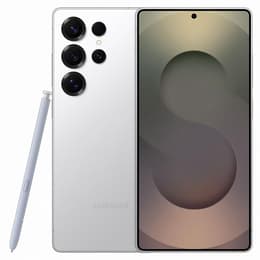


Galaxy S25 Ultra Vs Google Pixel 7

Galaxy S25 Ultra
Galaxy S25 Ultra
Starting at

Refurbished price:£654.00

Versus £1,249.00 new

See options
Google Pixel 7
Google Pixel 7
Starting at

Refurbished price:£140.99

Versus £649.99 new

See options

Ratings

The Samsung Galaxy S25 Ultra, released in February 2025, and the Google Pixel 7, launched in October 2022, represent distinct approaches to the premium smartphone experience. While both operate on the Android platform, the Galaxy S25 Ultra emphasizes cutting-edge hardware and a versatile camera system, whereas the Pixel 7 focuses on a streamlined software experience and computational photography. These differences cater to varying user priorities, from those seeking the latest technological advancements to those valuing a pure Android interface with strong imaging capabilities.

Scores

Durability

The longevity of a smartphone is influenced by its initial release date, the duration of software support, and its physical durability.

  • Release Timeline: The Samsung Galaxy S25 Ultra, having been released in February 2025, is a significantly newer device compared to the Google Pixel 7, which launched in October 2022. This age difference inherently impacts their remaining lifespan for software updates and overall hardware relevance.
  • Software Support: Samsung has committed to providing seven years of operating system and security updates for the Galaxy S25 Ultra, meaning it is expected to receive updates until approximately 2032. In contrast, the Google Pixel 7 is guaranteed three generations of Android OS updates and five years of monthly security updates, with support extending until October 2027. This gives the Galaxy S25 Ultra a considerably longer period of official software support.
  • Durability Features: The Galaxy S25 Ultra features Corning Gorilla Armor 2 for display protection and a titanium frame, offering enhanced resistance against scratches and drops. The Pixel 7 utilizes Corning Gorilla Glass Victus for its display, providing robust protection for its release era. Both devices carry an IP68 rating for dust and water resistance, indicating a high level of protection against environmental elements.

Year of Release

2025

2022

Compatible with latest Update

Yes

Yes

OS

Android

Android

Foldable

No

No

Performance

Performance in daily use is a key differentiator, affecting how smoothly applications run and how efficiently tasks are handled.

  • Processor Capabilities: The Galaxy S25 Ultra is equipped with a current-generation processor designed for demanding applications and multitasking. It offers faster CPU and GPU speeds, alongside improved neural processing for advanced AI features. The Pixel 7 is powered by a previous-generation processor, which provides smooth performance for everyday tasks and general usage.
  • System Responsiveness: Users of the Galaxy S25 Ultra generally report a smooth and high-performance experience, even during extended gaming sessions. The Pixel 7 delivers good overall performance for daily use, though some users have noted occasional animation inconsistencies or heating during intensive tasks or 5G usage.
  • Battery Behavior: The Galaxy S25 Ultra houses a 5000mAh battery, which in real-world tests has demonstrated over 11 hours of screen-on time and can last a full day for typical users, with some reporting up to 1.5 days with lighter use. The Pixel 7 has a 4355mAh battery, providing good battery life for light usage, but heavy users may find themselves charging it once or twice daily. The S25 Ultra also supports faster wired and wireless charging speeds.

Memory (GB)

12 GB

8 GB

Screen quality

The display is the primary interface for interaction, and differences in technology and specifications can significantly impact the visual experience.

  • Display Technology and Clarity: The Galaxy S25 Ultra features a 6.9-inch Dynamic LTPO AMOLED 2X display with a QHD+ resolution (3120x1440 pixels), offering sharp details and vibrant colors. The Pixel 7 comes with a 6.3-inch AMOLED display with an FHD+ resolution (2400x1080 pixels), providing clear visuals suitable for most content.
  • Brightness and Refresh Rate: The S25 Ultra's display can reach a peak brightness of up to 2600 nits, ensuring excellent visibility even in bright outdoor conditions, and features a 120Hz refresh rate for smooth scrolling and animations. The Pixel 7 offers a peak brightness of up to 1400 nits and a 90Hz refresh rate, which provides a smooth experience for general use.
  • Viewing Experience: The larger screen size and higher resolution of the Galaxy S25 Ultra contribute to a more immersive viewing experience, particularly for media consumption and detailed work. The S25 Ultra also includes anti-reflective properties on its display, further enhancing outdoor usability. Both displays support HDR10+ for enhanced contrast and color reproduction.

Resolution

1440x3120

1080 x 2400

Audiovisual

Camera capabilities are a significant factor for many users, and both devices offer distinct strengths in photography and videography.

  • Rear Camera Systems: The Galaxy S25 Ultra boasts a comprehensive quad-camera setup, including a 200MP main sensor, a 50MP ultrawide, a 10MP telephoto with 3x optical zoom, and a 50MP periscope telephoto with 5x optical zoom. It also features a Quad Tele System, allowing for multiple optical zoom levels. The Pixel 7 features a dual-camera system with a 50MP main sensor and a 12MP ultrawide lens.
  • Photography Performance: The Galaxy S25 Ultra offers improved low-light performance, expanded dynamic range, and a virtual aperture feature for creative depth-of-field effects. While some users have noted that default night photos and motion blur can be challenging without specific camera modes, the overall system is highly versatile. The Pixel 7 is widely praised for its computational photography, consistently producing high-quality images with excellent detail and color accuracy, often described as among the best in the industry.
  • Video Recording: The S25 Ultra supports 8K video recording at 30 frames per second across its main, ultrawide, and 5x telephoto cameras, and includes a log video recording option for professional content creators. The Pixel 7 offers strong video recording capabilities for its class, though it does not match the S25 Ultra's 8K resolution or advanced features like log video.

Front camera

12

10.8 megapixels

Miscellaneous

Beyond core performance and display, several practical elements contribute to the overall user experience and device utility.

  • Connectivity and Ports: The Galaxy S25 Ultra supports Wi-Fi 7 and Bluetooth v5.3, offering advanced wireless connectivity. The Pixel 7 supports 5G, Wi-Fi, and Bluetooth, providing standard modern connectivity. The S25 Ultra includes an S Pen, integrated into the device, offering additional functionality for note-taking and navigation.
  • Biometric Security: Both devices feature in-screen fingerprint sensors. The Galaxy S25 Ultra uses an ultrasonic sensor. The Pixel 7's fingerprint sensor has been a point of frequent user feedback, with some reporting inconsistent performance. Both also offer face recognition for unlocking.
  • Build and Handling: The Galaxy S25 Ultra has a premium titanium frame and weighs 218 grams, offering a substantial feel. The Pixel 7 has a more compact design, weighing 197 grams, which may appeal to users preferring a lighter device.

Weight

233 g

197 g

Screen size (in)

6.9

6.3

Mobile network

5G

5G

SIM card

Dual Physical SIM + eSIM

Physical SIM + eSIM

Carrier compatibility

Unlocked

Unlocked

The Samsung Galaxy S25 Ultra and Google Pixel 7 cater to different segments of the smartphone market, each with distinct strengths and user experiences. The Galaxy S25 Ultra, as a more recent flagship, is frequently praised for its cutting-edge display technology, versatile and high-resolution camera system, and extended software support. Users appreciate its robust performance for demanding tasks and its generally strong battery life. However, some user feedback points to areas like the consistency of its face unlock and the need to adjust camera settings for optimal results in specific scenarios like low light or motion.

The Google Pixel 7, while older, is highly regarded for its exceptional computational photography, delivering impressive image quality with minimal effort. Its pure Android experience and timely updates are also significant advantages for many users. Common criticisms, however, often revolve around its in-screen fingerprint sensor, which some users find inconsistent, and reports of the device warming up during intensive use or with prolonged 5G connectivity. Battery life, while adequate for many, is not considered a standout feature for heavy users.

Users prioritizing the absolute latest hardware, a large and vibrant display, extensive camera versatility with advanced video features, and the longest possible software support will find the Samsung Galaxy S25 Ultra well-suited to their needs. This device is ideal for power users, mobile photographers, and those who value a premium, feature-rich experience. Conversely, users who prioritize a streamlined Android experience, exceptional point-and-shoot photography driven by AI, and a more compact form factor may lean toward the Google Pixel 7. It remains a strong choice for those who value software-driven features and a clean interface.

For those considering either of these devices, exploring quality-assured refurbished options can provide an eco-friendly alternative, offering access to premium technology while supporting sustainable consumption.

See all articles

Our recent comparisons