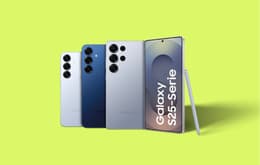

Compare models

Galaxy S25 FE Vs Google Pixel 9 Pro XL

  • 1-year minimum warranty
  • Free delivery on all items
  • Free 30-day returns
Galaxy S25 FE
Starting at

Refurbished price:£307.00

Versus £651.00 new

See options
Google Pixel 9 Pro XL
Starting at

Refurbished price:£372.00

Versus £1,093.99 new

See options

Differences at a glance

The Samsung Galaxy S25 FE (2025) and the Google Pixel 9 Pro XL (2024) represent two distinct approaches to modern smartphone engineering. While both target users seeking robust everyday performance and advanced capabilities, they differ significantly in their approach to software ecosystems, physical sizing, and day-to-day usability. The Galaxy S25 FE runs on Android with Samsung's custom interface, whereas the Pixel 9 Pro XL offers a clean, streamlined software experience directly from Google. Understanding these core differences helps users determine which device best aligns with their daily requirements.

Available Models

Colour

Storage (GB)

Scores

Durability

Both devices are designed to remain functional and secure for several years, though their long-term support timelines and physical construction vary in ways that affect overall durability.

  • Software support timelines: Both manufacturers provide multi-year operating system and security updates, ensuring both devices stay current with modern software features and security patches for a long duration.
  • Repairability and build quality: Both models incorporate sturdy frame materials and reinforced glass fronts, though repair accessibility varies by region and specific component availability through authorized service channels.
  • Expected practical lifespan: Users can expect reliable performance across a standard multi-year ownership cycle, making a quality-assured refurbished option a sustainable choice that extends device longevity.

Year of Release

2025

2024

Compatible with latest Update

Yes

Yes

OS

Android

Android

Foldable

No

No

Performance

Underneath the exterior, both smartphones handle demanding everyday applications, intensive multitasking, and gaming smoothly, though their hardware configurations differ.

  • Multitasking and memory capacity: Generous random access memory allocations on both devices allow multiple applications to remain open simultaneously without noticeable slowdowns or frequent reloading.
  • Battery behavior and daily endurance: Both models deliver enough power to comfortably last through a full day of moderate use, though heavy media consumption or gaming will require a recharge before evening.
  • Storage and system responsiveness: App loading times are minimal, and system navigation remains fluid across everyday tasks thanks to capable internal processing units.

Screen quality

Display technology is a primary focal point for both devices, delivering sharp visuals and responsive interaction for media consumption and daily navigation.

  • Display panels and visual clarity: Both smartphones utilize vibrant OLED display technology that produces deep black levels, high contrast ratios, and sharp text rendering for comfortable reading.
  • Outdoor visibility and brightness: High peak brightness levels ensure that content remains legible even under direct sunlight or bright outdoor lighting conditions.
  • Refresh rate and interaction smoothness: Adaptive high refresh rates allow for fluid scrolling through web pages and animations, while dropping to lower rates during static tasks to conserve battery power.

Audiovisual

Photography and media capture capabilities are central to both devices, offering versatile lens configurations for varied shooting scenarios.

  • Lens versatility: Both models feature primary wide lenses and ultra-wide options, while the Pixel 9 Pro XL includes a dedicated telephoto zoom lens for distant subjects.
  • Image processing and low-light performance: Both devices capture clear, detailed photos in challenging lighting conditions, utilizing automated software optimization to balance highlights and shadows.
  • Video recording and audio: Video capture remains stable and detailed across both models, supported by clear internal microphone arrays that handle calls and media recording effectively.

Miscellaneous

Practical daily features, connectivity standards, and physical dimensions shape how each device fits into a user's routine.

  • Connectivity and ports: Both smartphones support modern fifth-generation cellular networks, rapid wireless standards, and utilize standard type-c USB ports for charging and data transfer.
  • Biometric security: Both devices offer biometric authentication options, combining secure facial recognition with reliable fingerprint sensors built directly into the display panel.
  • Physical dimensions and handling: The Google Pixel 9 Pro XL features a larger physical footprint suited for expanded media viewing, whereas the Galaxy S25 FE offers a slightly more compact form factor for easier single-handed handling.

Weight

190 g

221 g

Screen size (in)

6.7

6.8

Mobile network

5G

5G

SIM card

Physical SIM + eSIM

Physical SIM + eSIM

Carrier compatibility

Unlocked

Unlocked

Connector

USB-C

USB-C

What the community thinks

User feedback from online communities highlights distinct preferences for each device based on real-world usage patterns. Owners of the Google Pixel 9 Pro XL frequently praise its streamlined software interface, reliable camera system with dedicated optical zoom, and clean operating system experience. Conversely, users of the Samsung Galaxy S25 FE often commend its balanced overall performance, customizable software environment, and comfortable physical dimensions for daily handling. Common criticisms for both models occasionally center on thermal warmth during extended gaming sessions and the gradual degradation of battery capacity over multi-year ownership cycles.

Users prioritizing a clean software experience and advanced optical zoom capabilities may prefer the Google Pixel 9 Pro XL, while those seeking a balanced, highly customizable device in a manageable size will find the Galaxy S25 FE well-suited to their needs. Exploring a sustainable choice through a quality-assured refurbished option allows consumers to access these high-end features while minimizing environmental impact. Ultimately, the choice depends on personal preferences regarding software ecosystem layout, physical dimensions, and specific camera requirements.


Our recent comparisons