

Compare models

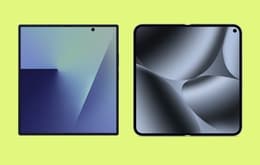
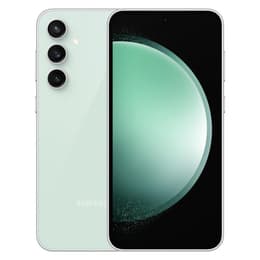
Galaxy S23 FE Vs Galaxy Z Flip7

  • 1-year minimum warranty
  • Free delivery on all items
  • Free 30-day returns
Galaxy S23 FE
Starting at

Refurbished price:£179.00

Versus £605.75 new

See options
Galaxy Z Flip7
Starting at

Refurbished price:£470.00

Versus £1,156.31 new

See options

Differences at a glance

The Samsung Galaxy S23 FE (2023) and the Samsung Galaxy Z Flip7 (2025) represent two entirely different approaches to modern smartphone engineering, balancing traditional candybar design with a cutting-edge foldable form factor. While both run on Android and offer Samsung's familiar interface experience, they cater to distinct preferences regarding build style, hardware generation, and everyday usability.

Available Models

Colour

Storage

Scores

Durability

When examining hardware longevity and software support, these two models occupy different positions due to their respective release years and engineering frameworks.

  • Software support timeline: The Galaxy Z Flip7 benefits from a more recent release date, securing active operating system upgrades further into the future compared to the older Galaxy S23 FE.
  • Build durability: The Galaxy S23 FE relies on a traditional solid aluminum and glass construction with high-level water resistance, whereas the Galaxy Z Flip7 utilizes a complex folding hinge mechanism and flexible screen technology that requires careful handling over years of daily use.
  • Expected practical lifespan: Traditional slab designs like the Galaxy S23 FE generally experience fewer structural wear points over extended periods, making them predictable choices for long-term ownership.

Year of Release

2023

2025

Compatible with latest Update

Yes

Yes

OS

Android

Android

Foldable

No

Yes

Performance

Underneath their exteriors, these devices handle demanding applications and multitasking differently based on their internal hardware generations and memory allocations.

  • App loading and multitasking: The Galaxy Z Flip7 handles heavy application switching and complex background tasks with greater fluidity thanks to its higher RAM capacity and modern processor generation.
  • Battery behavior: The Galaxy S23 FE houses a standard cell that typically gets through moderate daily routines, while the Galaxy Z Flip7 features optimized power efficiency to support both its main screen and external cover panel through a full day of mixed use.
  • System responsiveness: Both devices navigate everyday menus, web browsing, and media streaming smoothly, though power users running intensive mobile games will notice faster loading times on the newer foldable model.

Screen quality

Display technology is a primary point of divergence, showcasing how traditional panels compare against advanced flexible screens.

  • Display technology: The Galaxy S23 FE utilizes a flat, traditional panel with vibrant colors and deep contrast, whereas the Galaxy Z Flip7 features a foldable main screen paired with a large, functional external cover display for quick interactions.
  • Brightness and outdoor visibility: Both screens reach high peak brightness levels, ensuring clear legibility when viewing content under direct sunlight outdoors.
  • Refresh rate and smoothness: Both models support smooth high refresh rates that make scrolling through web pages and system animations fluid and responsive.

Resolution

1080 x 2340

1080x2520

Audiovisual

Optics and media consumption hardware vary significantly, offering distinct advantages for photography and entertainment enthusiasts.

  • Camera system capabilities: The Galaxy S23 FE includes a dedicated telephoto lens for optical zoom framing, while the Galaxy Z Flip7 relies on its main and ultra-wide sensors while leveraging its foldable design for unique angles and hands-free tripod-style selfies.
  • Low-light and video performance: Image processing engines on both devices capture clear low-light photos and stable video recordings, with the newer model benefiting from updated computational photography algorithms.
  • Media and audio output: Stereo speakers on both units deliver clear sound for hands-free calls and video playback, though neither includes a physical headphone jack.

Main camera

50 megapixels

50 megapixels

Front camera

10 megapixels

10 megapixels

Miscellaneous

Physical dimensions, connectivity standards, and daily handling characteristics shape how each smartphone fits into an active lifestyle.

  • Handling and dimensions: The Galaxy S23 FE offers a classic, uniform slab footprint, whereas the Galaxy Z Flip7 folds cleanly in half to fit easily into smaller pockets or bags.
  • Connectivity options: Both smartphones support modern 5G networks, fast Wi-Fi standards, and Bluetooth for pairing with wireless accessories.
  • Security and authentication: Both devices provide fast biometric unlocking through facial recognition and fingerprint sensors integrated directly into their side power keys or screens.

Weight

209 g

188 g

Screen size (in)

6.4

6.9

Mobile network

5G

5G

SIM card

Dual Physical SIM

Physical SIM + eSIM

Carrier compatibility

Unlocked

Unlocked

Connector

USB-C

USB-C

What the community thinks

User discussions across community forums highlight distinct patterns of praise and criticism for both devices. Owners of the Galaxy S23 FE frequently appreciate its solid, traditional build and dependable everyday functionality, though some note that battery life can diminish under heavy workloads over time. Conversely, users gravitate toward the Galaxy Z Flip7 for its compact folding convenience and expansive cover display, while occasionally discussing the extra care required when managing a flexible screen mechanism.

Users prioritizing a classic, sturdy bar phone design with a dedicated zoom lens will find the Galaxy S23 FE well-suited to their needs. Meanwhile, users prioritizing a pocket-friendly folding form factor and modern multitasking capabilities will lean toward the Galaxy Z Flip7. For those exploring sustainable purchasing routes, choosing a quality-assured refurbished option from Back Market provides an eco-friendly alternative that extends device life cycles without compromising on performance standards.