Compare models
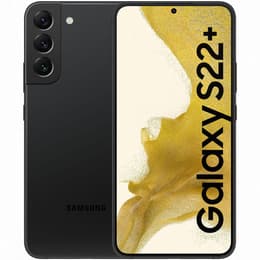
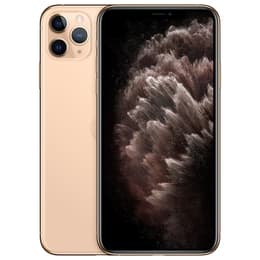
Galaxy S22+ 5G Vs iPhone 11 Pro Max
- 1-year minimum warranty
- Free delivery on all items
- Free 30-day returns
Differences at a glance
The Samsung Galaxy S22 Plus 5G, released in February 2022, and the iPhone 11 Pro Max, launched in September 2019, represent different generations and operating systems within the smartphone landscape. While both offer premium experiences, the Galaxy S22 Plus 5G brings more recent advancements in display technology, camera capabilities, and connectivity, whereas the iPhone 11 Pro Max provides a robust iOS experience from a slightly earlier era.
Available Models
Colour
Storage (GB)
Scores
Durability
The practical lifespan of a smartphone is often determined by its software support, physical durability, and ease of repair. These two devices, originating from different release cycles, offer distinct expectations in these areas.
- Release Timeline: The Galaxy S22 Plus 5G, released in early 2022, benefits from a more recent launch, placing it further along in its software support cycle compared to the iPhone 11 Pro Max, which debuted in late 2019.
- Software Longevity: The Galaxy S22 Plus 5G is expected to receive major Android operating system updates for up to four generations and security updates for five years from its release. The iPhone 11 Pro Max, having launched with iOS 13, has already received several major iOS updates and is likely to continue receiving security updates for a considerable period, though its major OS update cycle is nearing its typical end.
- Physical Durability: Both devices feature robust builds with glass fronts and backs and are rated IP68 for dust and water resistance. The Galaxy S22 Plus 5G incorporates Gorilla Glass Victus+ for enhanced screen protection, while the iPhone 11 Pro Max uses a stainless steel frame for structural integrity.
Year of Release
2022
2019
Compatible with latest Update
Yes
Yes
OS
Android
iOS
Foldable
No
No
Performance
Evaluating the performance of these smartphones involves looking at how they handle daily tasks, demanding applications, and multitasking, rather than focusing solely on processor names.
- Overall Responsiveness: The Galaxy S22 Plus 5G features a more recent generation processor, which translates to faster app loading times, smoother transitions, and more efficient handling of graphically intensive games and applications. The iPhone 11 Pro Max, powered by a powerful processor from its release year, still offers a fluid user experience for most everyday tasks and many demanding applications.
- Multitasking Capabilities: With 8GB of RAM, the Galaxy S22 Plus 5G provides more headroom for keeping multiple applications open simultaneously without needing to reload them. The iPhone 11 Pro Max comes with 4GB of RAM, which is optimized for iOS's memory management, allowing for efficient multitasking for typical usage.
- Storage Options: The Galaxy S22 Plus 5G is available with 128GB or 256GB of internal storage. The iPhone 11 Pro Max offers more varied storage configurations, including 64GB, 256GB, and 512GB, catering to users with different storage needs, particularly those who capture a lot of high-resolution media.
Screen quality
The display is a primary interaction point, and both devices offer high-quality viewing experiences with distinct characteristics.
- Display Technology and Clarity: Both phones feature OLED displays, providing deep blacks and vibrant colors. The Galaxy S22 Plus 5G utilizes a 6.6-inch Dynamic AMOLED 2X display, while the iPhone 11 Pro Max has a 6.5-inch Super Retina XDR OLED display. Both offer excellent clarity for viewing content.
- Brightness and Outdoor Visibility: The Galaxy S22 Plus 5G boasts a higher peak brightness of up to 1750 nits, which significantly enhances visibility in bright outdoor conditions. The iPhone 11 Pro Max offers a peak HDR brightness of 1200 nits, providing good visibility in various lighting environments.
- Refresh Rate: A notable difference is the refresh rate; the Galaxy S22 Plus 5G features an adaptive 120Hz refresh rate, resulting in smoother scrolling and more fluid animations. The iPhone 11 Pro Max has a standard 60Hz refresh rate, which is still responsive for most users but less fluid than a higher refresh rate display.
Resolution
1080 x 2340
1242 x 2688
Screen type
Dynamic AMOLED 2X
Super Retina XDR OLED
Audiovisual
Photography and videography capabilities are key considerations for many users, and both devices offer versatile camera systems.
- Rear Camera System: The Galaxy S22 Plus 5G features a triple camera setup with a 50MP main sensor, a 12MP ultrawide, and a 10MP telephoto lens with 3x optical zoom. The iPhone 11 Pro Max also has a triple 12MP camera system, comprising a wide, ultrawide, and a telephoto lens with 2x optical zoom. The Galaxy S22 Plus 5G offers higher megapixel counts on its main and telephoto lenses.
- Photography Performance: The Galaxy S22 Plus 5G generally excels in detail capture and low-light performance due to its larger main sensor and advanced image processing. The iPhone 11 Pro Max is praised for its consistent image quality across its lenses and its effective Night Mode, which significantly improves low-light photos.
- Video Recording: Both devices are capable of recording high-quality video. The Galaxy S22 Plus 5G supports 8K video recording, offering extremely high resolution, while the iPhone 11 Pro Max records up to 4K at 60 frames per second, known for its excellent stabilization and color accuracy.
Main camera
50 megapixels
12 megapixels
Front camera
10 megapixels
12 megapixels
Miscellaneous
Beyond core features, several practical elements contribute to the overall user experience and daily convenience.
- Connectivity: The Galaxy S22 Plus 5G supports 5G networks, offering faster mobile data speeds where available, along with Wi-Fi 6E and Bluetooth 5.2. The iPhone 11 Pro Max supports 4G LTE, Wi-Fi 6, and Bluetooth 5.0.
- Charging Port: The Galaxy S22 Plus 5G uses a universal USB-C port for charging and data transfer, while the iPhone 11 Pro Max utilizes Apple's proprietary Lightning port.
- Biometric Security and Design: Both devices offer secure biometric authentication; the Galaxy S22 Plus 5G uses an in-display fingerprint sensor, and the iPhone 11 Pro Max features Face ID. The Galaxy S22 Plus 5G is slightly lighter and thinner, while the iPhone 11 Pro Max has a more substantial feel due to its stainless steel frame.
Weight
195 g
226 g
Screen size (in)
6.6
6.5
Mobile network
5G
4G
SIM card
Dual Physical SIM + eSIM
Physical SIM + eSIM
Carrier compatibility
Unlocked
Unlocked
Connector
USB-C
Lightning
What the community thinks
User feedback often highlights the Galaxy S22 Plus 5G for its vibrant display, strong camera performance, and modern Android features. Some users appreciate its faster charging capabilities and the flexibility of the Android ecosystem. Criticisms sometimes point to battery life for heavy users, though it generally performs well.
The iPhone 11 Pro Max is frequently praised for its robust build quality, consistent camera performance, and the long-term software support and ecosystem experience of iOS. Its battery life was considered a significant improvement at its release. Some users might find its 60Hz display less fluid compared to newer devices, and its lack of 5G connectivity is a consideration in areas with advanced network infrastructure.
Users prioritizing the latest display technology, 5G connectivity, and a more recent Android experience may find the Galaxy S22 Plus 5G well-suited to their needs. Its higher refresh rate and advanced camera features cater to those who value cutting-edge mobile technology. Conversely, users who prefer the established iOS ecosystem, a highly optimized user experience, and a device known for its consistent performance and strong build quality might lean towards the iPhone 11 Pro Max. This device remains a capable option for those seeking a premium smartphone experience without needing the absolute newest features.
For those considering either of these powerful devices, exploring quality-assured refurbished options can be a sustainable choice, offering an eco-friendly alternative to purchasing new.