Galaxy A34 Vs iPhone 12 Pro Max

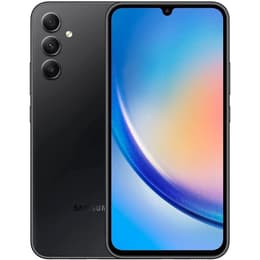
Galaxy A34
Galaxy A34
Starting at

Refurbished price:£105.00

Versus £399.00 new

See options
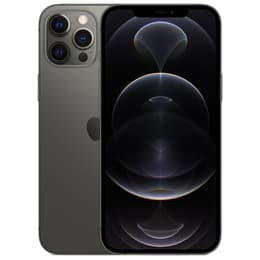
iPhone 12 Pro Max
iPhone 12 Pro Max
Starting at

Refurbished price:£236.00

Versus £979.00 new

See options

Ratings

The Samsung Galaxy A34, released in 2023, and the iPhone 12 Pro Max, launched in 2020, represent two distinct paths for smartphone users. The Galaxy A34 is a modern mid-range device that brings contemporary features to a wider audience, while the iPhone 12 Pro Max remains a powerful flagship from Apple's premium lineup. These devices differ significantly in their release timing, operating systems, and hardware philosophies.

While the Galaxy A34 runs on the Android platform with a focus on modern efficiency and long-term software support from its launch date, the iPhone 12 Pro Max utilises the iOS ecosystem, offering a high-end experience that has aged gracefully. Choosing between them requires understanding whether you prefer the latest mid-tier innovations or the enduring build quality of a former top-tier model.

Scores

Durability

When evaluating how long these devices will remain functional and relevant, the three-year gap in their release dates plays a significant role in their software trajectories.

  • Software Longevity: The Galaxy A34 was released with a commitment to four generations of Android OS updates and five years of security patches. This ensures the device remains current with new features and safety protocols until approximately 2028. In contrast, the iPhone 12 Pro Max, despite being older, benefits from Apple's historically long support cycles. It is expected to receive iOS updates for several more years, though it is closer to the end of its official support window than the newer Samsung.
  • Build Resilience: The iPhone 12 Pro Max features a stainless steel frame and Ceramic Shield glass, designed for high durability against drops and wear. The Galaxy A34 uses a robust plastic construction which is lighter and less prone to shattering than glass, though it may show surface scratches more easily over time. Choosing a quality-assured refurbished option for either model can be a sustainable choice that extends the lifecycle of these capable electronics.

Year of Release

2023

2020

Compatible with latest Update

Yes

Yes

OS

Android

iOS

Foldable

No

No

Performance

Performance is not just about raw speed but how smoothly a device handles your daily routine, from social media scrolling to intensive multitasking.

  • System Responsiveness: The iPhone 12 Pro Max features a high-performance processor that was designed to lead the market at its launch. Even years later, it handles demanding applications, video editing, and complex games with remarkable fluidity. The Galaxy A34 uses a modern, efficient processor tailored for mid-range tasks; while it is very responsive for everyday browsing and standard apps, it may not match the heavy-duty processing power of the iPhone under extreme workloads.
  • Battery and Efficiency: The Galaxy A34 is equipped with a large 5,000mAh battery, which, combined with its power-efficient internals, often allows users to go two days between charges with moderate use. The iPhone 12 Pro Max has a smaller physical battery capacity but benefits from highly optimised software that manages power consumption effectively, typically lasting a full day of heavy usage.

Memory (GB)

6 GB

6 GB

Screen quality

The display is your primary interface with the device, and these two models offer very different visual experiences despite their similar physical sizes.

  • Smoothness and Motion: A standout feature of the Galaxy A34 is its 120Hz refresh rate. This technology allows the screen to update 120 times per second, making animations, scrolling through lists, and gaming feel exceptionally fluid. The iPhone 12 Pro Max uses a standard 60Hz refresh rate, which is stable and clear but lacks the ultra-smooth motion found on the newer Samsung display.
  • Clarity and Brightness: Both phones use OLED technology, providing deep blacks and vibrant colours. The iPhone 12 Pro Max features a Super Retina XDR display with high peak brightness, making it very easy to read in direct sunlight and offering excellent HDR performance for films. The Galaxy A34 also offers a bright Super AMOLED screen that performs well outdoors, though the iPhone's display is often noted for its more precise colour calibration for professional photo viewing.

Resolution

1080 x 2340

1284 x 2778

Screen type

Super AMOLED

Super Retina XDR OLED

Audiovisual

For many users, the camera system is the deciding factor, and here we see the difference between a modern mid-range setup and a professional-grade legacy system.

  • Photography Versatility: The iPhone 12 Pro Max includes a sophisticated triple-lens system with a dedicated telephoto lens for optical zooming and a LiDAR scanner for faster autofocus in low light. This makes it particularly adept at portrait photography and night-time shots. The Galaxy A34 features a triple-camera array that performs admirably in daylight, producing sharp and colourful images, but it lacks a dedicated telephoto lens, relying instead on digital zoom.
  • Video and Audio: Apple's flagship is widely recognised for its video recording capabilities, offering smooth stabilisation and high dynamic range that remains competitive with newer models. It also features high-quality microphones that capture clear audio for videos and calls. The Galaxy A34 provides solid video quality for social media and casual use, with stereo speakers that deliver a clear and loud media consumption experience for movies and music.

Main camera

48 megapixels

12 megapixels

Front camera

13 megapixels

12 megapixels

Miscellaneous

Beyond the main specifications, small practical differences in hardware and connectivity can influence your daily satisfaction with a smartphone.

  • Biometrics and Security: The Galaxy A34 utilises an optical fingerprint sensor built directly into the display, allowing for quick unlocking even while the phone is flat on a table. The iPhone 12 Pro Max relies on FaceID, which uses 3D mapping for secure facial recognition. While FaceID is highly secure and convenient for hands-free use, some users prefer the tactile flexibility of a fingerprint scanner.
  • Physical Design and Ports: The iPhone 12 Pro Max uses a Lightning port for charging and data transfer, whereas the Galaxy A34 has adopted the universal USB-C standard. In terms of handling, the iPhone is significantly heavier due to its premium metal construction, which gives it a substantial feel. The Galaxy A34 is lighter and features a slightly more rounded ergonomic design, making it more comfortable for some users to hold during long periods of use.

Weight

199 g

226 g

Screen size (in)

6.6

6.7

Mobile network

5G

5G

SIM card

Dual Physical SIM

Physical SIM + eSIM

Carrier compatibility

Unlocked

Unlocked

Connector

USB-C

Lightning

In summary, the choice between the Galaxy A34 and the iPhone 12 Pro Max depends on whether you value modern efficiency or legacy premium features. User consensus on forums often praises the Galaxy A34 for its exceptional battery life and the smoothness of its 120Hz display, which many find refreshing for a mid-range device. However, some users note that its plastic build feels less substantial than flagship models. Conversely, the iPhone 12 Pro Max is frequently lauded for its enduring performance and professional-grade video quality, though some owners mention its weight and the slower 60Hz screen as minor drawbacks in a modern context.

Users who prioritise a long-lasting battery, a high refresh rate for smooth scrolling, and the latest Android software support will find the Galaxy A34 well-suited to their needs. Those who require high-end video capabilities, a more robust stainless steel design, and the specific features of the iOS ecosystem may lean toward the iPhone 12 Pro Max. Both devices are available as eco-friendly, quality-assured refurbished options, allowing you to choose the set of features that best fits your lifestyle while supporting a more sustainable electronics industry. Ultimately, both smartphones remain highly capable tools for communication, productivity, and entertainment in 2026.

See all articles

Our recent comparisons