Galaxy A23 5G Vs iPhone 12

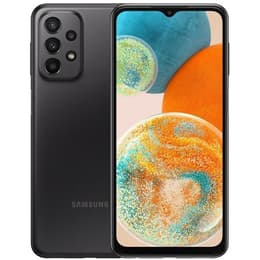
Galaxy A23 5G
Galaxy A23 5G
Starting at

Refurbished price:£100.00

Versus £300.00 new

See options
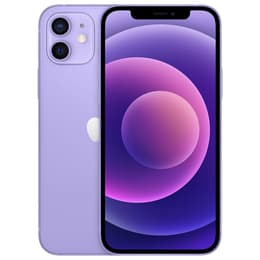
iPhone 12
iPhone 12
Starting at

Refurbished price:£139.00

Versus £649.00 new

See options

Ratings

The Samsung Galaxy A23 5G (2022) and the Apple iPhone 12 (2020) represent two distinct approaches to the modern smartphone experience. While the Galaxy A23 5G is a more recent entry designed to provide essential modern features with a focus on longevity and screen size, the iPhone 12 remains a powerful contender from Apple's flagship lineage, known for its compact design and integrated ecosystem. These devices cater to different user priorities, particularly regarding their operating systems, with the Samsung running Android and the iPhone utilising iOS.

Choosing between these two involves weighing the benefits of a larger, high-refresh-rate display against a more compact, high-performance device. The Galaxy A23 5G prioritises practical endurance and expandable utility, whereas the iPhone 12 focuses on a refined user interface and consistent media quality. This comparison explores how these differences manifest in daily use, helping you decide which device aligns with your specific lifestyle and technical requirements.

Scores

Durability

When evaluating how long these devices will remain functional and secure, the comparison reveals a trade-off between the age of the hardware and the manufacturer's software commitment.

  • Software Longevity: Despite being released two years earlier, the iPhone 12 typically receives software updates for a longer period than many mid-range alternatives. Apple generally provides major operating system updates for six to seven years, meaning the iPhone 12 is expected to remain current until approximately 2027. The Galaxy A23 5G, while newer, follows a different update schedule, with Samsung providing security patches for four years from its 2022 launch, ensuring it stays protected until 2026.
  • Repairability and Build: The Galaxy A23 5G features a sturdy plastic construction that handles minor impacts well, though it lacks the formal water resistance found in the iPhone 12. The iPhone 12 uses a glass and aluminium frame that feels solid but may require more care. For those seeking a sustainable choice, both devices are widely supported by repair networks, making it easier to replace batteries or screens to extend their practical lifespan.
  • Practical Lifespan: Users can expect both phones to handle daily tasks reliably for several years. The iPhone 12's internals were designed for high-end performance, which helps it stay responsive as apps become more demanding, while the Galaxy A23 5G's newer battery technology supports long-term daily use.

Year of Release

2022

2020

Compatible with latest Update

Yes

Yes

OS

Android

iOS

Foldable

No

No

Performance

Performance in these devices is defined by how smoothly they handle multitasking, app loading, and demanding activities like mobile gaming or video editing.

  • System Responsiveness: The iPhone 12 delivers a very fluid experience, with apps opening almost instantly and animations remaining smooth even during heavy use. This is due to its flagship-grade internals that were ahead of their time at launch. The Galaxy A23 5G provides a reliable experience for social media, web browsing, and standard productivity apps, though users might notice slight pauses when switching between many open applications simultaneously.
  • Multitasking and Storage: The Galaxy A23 5G often comes with more physical memory for background tasks, which helps keep several apps ready for use. It also offers the significant advantage of expandable storage, allowing users to add more space for photos and files via a memory card. The iPhone 12 relies on fixed internal storage, requiring users to manage their files more closely or use cloud services.
  • Battery Endurance: In real-world usage, the Galaxy A23 5G is a standout for endurance. Its large battery capacity easily lasts through a full day of heavy use, often stretching into a second day for light users. The iPhone 12 has a smaller battery that typically requires a nightly charge, especially for those who frequently use GPS or stream high-definition video.

Memory (GB)

4 GB

4 GB

Screen quality

The viewing experience differs significantly between these two models, focusing on either smoothness and size or colour accuracy and clarity.

  • Display Technology: The iPhone 12 features an OLED display, which provides deep blacks and vibrant colours by allowing each pixel to turn off completely. This makes it excellent for watching films or viewing photos. The Galaxy A23 5G uses an LCD panel, which is bright and clear for outdoor use but does not achieve the same level of contrast as the iPhone's screen.
  • Smoothness and Motion: A key advantage for the Galaxy A23 5G is its high refresh rate. This technology makes scrolling through news feeds and navigating the interface feel exceptionally smooth and responsive. The iPhone 12 operates at a standard refresh rate, which is consistent and stable but lacks the ultra-fluid motion found on the Samsung.
  • Size and Resolution: The Galaxy A23 5G offers a much larger 6.6-inch screen, making it a preferred option for users who enjoy reading long articles or watching videos on a bigger canvas. The iPhone 12 is more compact at 6.1 inches, which makes it easier to use with one hand while still maintaining a very high resolution that ensures text and images look sharp and detailed.

Resolution

1080 x 2408

1170 x 2532

Screen type

PLS LCD

Super Retina XDR OLED

Audiovisual

Photography and video capabilities are areas where these devices show their different design priorities, from versatile lens setups to refined image processing.

  • Image Quality: The iPhone 12 is known for its natural colour reproduction and excellent detail in various lighting conditions. Its dual-camera system is highly consistent, producing reliable results with every press of the shutter. The Galaxy A23 5G features a quad-camera array that includes a high-resolution main sensor with optical stabilisation, which helps keep photos clear even if your hands are not perfectly still.
  • Video and Low Light: For video creators, the iPhone 12 offers a more polished experience, with smoother stabilisation and better performance in dim environments. It captures video with a wide dynamic range, ensuring details are visible in both bright and dark areas. The Galaxy A23 5G performs well in bright daylight, though its low-light photos may show more graininess compared to the iPhone.
  • Audio and Media: The iPhone 12 features stereo speakers that provide a balanced and loud audio experience for media consumption. The Galaxy A23 5G typically uses a single speaker for media, which is clear but lacks the immersive depth of the iPhone's setup. However, the Samsung includes a traditional headphone jack, allowing for a simple connection to wired audio equipment.

Main camera

50 megapixels

12 megapixels

Front camera

8 megapixels

12 megapixels

Miscellaneous

Practical features such as connectivity, physical handling, and security sensors play a major role in how these phones fit into your daily routine.

  • Connectivity and Ports: Both devices support 5G networks, ensuring fast data speeds where available. The Galaxy A23 5G uses a universal USB-C port for charging and data transfer, which is compatible with most modern electronics. The iPhone 12 uses a Lightning port and supports MagSafe, a magnetic system that allows for easy attachment of wireless chargers and other accessories.
  • Biometrics and Security: The iPhone 12 uses advanced facial recognition technology to unlock the device securely and quickly, even in the dark. The Galaxy A23 5G employs a fingerprint sensor built into the power button on the side, which many users find convenient for unlocking the phone as they pick it up.
  • Handling and Build: The iPhone 12 is notably lighter and thinner, making it a comfortable choice for those with smaller hands or those who prefer a device that disappears into a pocket. The Galaxy A23 5G is larger and heavier, providing a more substantial feel that some users prefer for a steadier grip during use. Its plastic back is also less prone to shattering than the glass back of the iPhone.

Weight

197 g

164 g

Screen size (in)

6.6

6.1

Mobile network

5G

5G

SIM card

Dual Physical SIM

Physical SIM + eSIM

Carrier compatibility

Unlocked

Unlocked

Connector

USB-C + Jack 3.5mm

Lightning

In summary, the choice between the Samsung Galaxy A23 5G and the iPhone 12 depends largely on your daily habits and what you value most in a mobile device. User consensus on forums like Reddit highlights that the Galaxy A23 5G is frequently praised for its exceptional battery life and the smooth feel of its large 120Hz display. Conversely, the iPhone 12 is often lauded for its enduring performance, superior video quality, and the seamless nature of the iOS ecosystem, which many find more intuitive for long-term use.

Users who prioritise a large screen for media consumption, the flexibility of expandable storage, and a battery that can last through long shifts will find the Galaxy A23 5G well-suited to their needs. Those who prefer a more compact, premium-feeling device with flagship-level camera processing and a highly refined software experience may lean toward the iPhone 12. Both smartphones represent reliable choices that have proven their durability over time. For those looking to make a more sustainable impact, choosing a quality-assured refurbished option is an excellent way to access these features while reducing electronic waste. Ultimately, both devices offer a high-quality experience that supports modern connectivity and productivity without compromise.

See all articles

Our recent comparisons