
Compare models
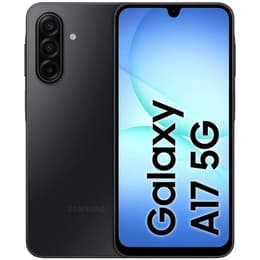
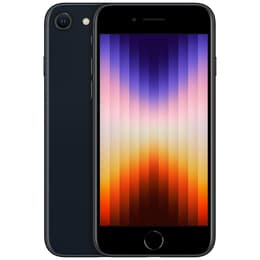
Galaxy A17 Vs iPhone SE (2022)
- 1-year minimum warranty
- Free delivery on all items
- Free 30-day returns
Differences at a glance
The Samsung Galaxy A17 (2025) and the Apple iPhone SE (2022) represent distinct approaches to practical, everyday smartphones across the Android and iOS ecosystems. While the iPhone SE relies on a compact classic layout and powerful foundational mechanics, the Galaxy A17 emphasizes modern media consumption with an expansive display and extended software lifecycle. These two devices cater to users seeking reliability and core functionality without the complexity of top-tier flagship hardware.
Available Models
Colour
Storage (GB)
Scores
Durability
When evaluating hardware longevity and software support, both devices approach lifecycle durability differently based on their release timelines and manufacturer update commitments.
- Software Support Duration: The Galaxy A17 benefits from an extended update policy spanning multiple years of major operating system upgrades, whereas the iPhone SE follows Apple's standard multi-year support window, though its earlier launch date means a shorter remaining active horizon.
- Repairability and Build Maintenance: Both models feature straightforward assembly styles that facilitate standard component replacements, though finding specialized service parts for each varies depending on regional technician availability.
- Expected Practical Lifespan: The Galaxy A17 provides a modern software foundation suited for long-term daily use, while the iPhone SE relies on robust internal components that maintain functional stability over time.
Year of Release
2025
2022
OS
Android
iOS
Foldable
No
No
Performance
Daily responsiveness and operational efficiency vary due to distinct hardware configurations, memory capacities, and operating system optimizations.
- App Loading and Multitasking: The iPhone SE handles demanding tasks and rapid application switching smoothly through optimized system architecture, while the Galaxy A17 provides balanced multitasking capabilities supported by generous memory options.
- Battery Behavior: The Galaxy A17 includes a high-capacity power cell designed to easily navigate extended daily usage, whereas the iPhone SE features a smaller battery footprint that benefits from mindful charging habits during heavy workloads.
- Storage Configuration: Users can select from multiple internal storage tiers on both devices, with the Galaxy A17 additionally offering expandable storage via a dedicated card slot for extensive media libraries.
Screen quality
Visual experiences differ significantly between the two models, primarily driven by contrasting display dimensions, panel technologies, and refresh capabilities.
- Display Technology: The Galaxy A17 utilizes a vibrant Super AMOLED panel delivering deep contrast levels and rich colors, while the iPhone SE employs a traditional LCD screen with accurate color reproduction.
- Size and Viewing Area: The Galaxy A17 offers a large screen estate suited for productivity and media streaming, whereas the iPhone SE features a compact form factor tailored for single-handed operation.
- Brightness and Fluidity: The Galaxy A17 incorporates a higher refresh rate for smoother scrolling animations alongside bright outdoor visibility, while the iPhone SE maintains a standard refresh rate with reliable brightness output.
Resolution
1080x2340
750 x 1334
Audiovisual
Imaging capabilities cater to varied photography preferences through distinct multi-lens setups and single-sensor configurations.
- Rear Camera Versatility: The Galaxy A17 equips a triple-lens array featuring a high-resolution primary sensor and an ultra-wide option for expanded framing, whereas the iPhone SE relies on a single high-performance rear lens enhanced by computational photography.
- Video Recording Quality: Both phones capture stable everyday video clips with clear audio capture, though Apple's processing excels in dynamic range stability during motion.
- Media and Audio Output: Speaker quality on both devices delivers clear sound for calls and casual media playback, complemented by reliable microphone arrays for virtual meetings.
Front camera
13MP
7 megapixels
Miscellaneous
Physical ergonomics, connectivity standards, and daily usability features define the practical handling characteristics of each device.
- Physical Dimensions and Handling: The Galaxy A17 features a lightweight plastic build distributed across a large frame, while the iPhone SE offers a compact glass and aluminum construction that fits easily into smaller pockets.
- Authentication Methods: The Galaxy A17 uses a side-mounted fingerprint scanner alongside facial recognition, whereas the iPhone SE retains a physical home button housing a traditional touch sensor.
- Connectivity and Ports: Both models support modern mobile networks and wireless standards, utilizing reversible USB-C or proprietary Lightning charging ports depending on the ecosystem.
Weight
192 g
144 g
Screen size (in)
6.7
4.7
Mobile network
5G
5G
SIM card
Dual Physical SIM
Physical SIM + eSIM
Carrier compatibility
Unlocked
Unlocked
Connector
USB-C
Lightning
What the community thinks
User feedback from online communities highlights distinct preferences for each device based on everyday habits. Owners of the Galaxy A17 frequently praise its reliable battery endurance, spacious viewing canvas, and long-term software commitment. Conversely, iPhone SE users often emphasize appreciation for its compact pocket-friendly dimensions, familiar home button interface, and swift system responsiveness.
Users prioritizing a large viewing area, modern display technology, and multi-day power management will find the Galaxy A17 well-suited to their needs. Meanwhile, users preferring a compact one-handed layout, the iOS ecosystem, and streamlined physical controls may lean toward the iPhone SE. Choosing a quality-assured refurbished option through Back Market provides an eco-friendly alternative that extends device life cycles sustainably. Ultimately, the right choice depends on individual preferences regarding screen size, operating system environment, and physical handling.