

Compare models

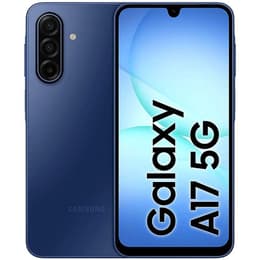
Galaxy A17 Vs Google Pixel 9 Pro XL

  • 1-year minimum warranty
  • Free delivery on all items
  • Free 30-day returns
Galaxy A17
Starting at

Refurbished price:£169.00

Versus £244.07 new

See options
Google Pixel 9 Pro XL
Starting at

Refurbished price:£338.00

Versus £1,099.00 new

See options

Differences at a glance

The Samsung Galaxy A17 (2025) and the Google Pixel 9 Pro XL (2024) are modern Android smartphones designed for very different segments of the mobile market. While both devices run the Android operating system, they approach performance, hardware integration, and feature sets from distinct viewpoints. Choosing between them depends on how users balance daily productivity, software longevity, and multimedia priorities.

Available Models

Colour

Storage (GB)

Scores

Durability

Both smartphones provide extended software roadmaps, though they originate from different market tiers and launch years.

  • Software Support Duration: The Google Pixel 9 Pro XL offers seven years of major operating system upgrades, whereas the Samsung Galaxy A17 delivers six years of software updates. Both options ensure long-term security compliance and feature readiness.
  • Expected Practical Lifespan: Thanks to robust build quality and prolonged update schedules, both devices maintain relevance over multi-year ownership cycles, making quality-assured refurbished options a sustainable choice for eco-conscious buyers.
  • Repairability: Both manufacturers design their hardware with standardized internal layouts, though availability of service documentation and replacement parts varies by region.

Year of Release

2025

2024

OS

Android

Android

Foldable

No

No

Performance

System responsiveness and everyday utility differ significantly due to the internal hardware configurations of each device.

  • Multitasking and Memory: The Google Pixel 9 Pro XL utilizes ample memory allocation to manage intensive background tasks and demanding applications smoothly, while the Galaxy A17 handles everyday messaging, web browsing, and casual apps reliably.
  • Battery Behavior: Both models feature large battery capacities around 5,000 mAh, supporting a full day of typical mixed usage under standard settings.
  • Storage Configurations: The Pixel line focuses on higher storage tiers for heavy media storage, whereas the Galaxy A17 offers accessible internal capacity paired with expandable storage flexibility via microSD cards.

Screen quality

Visual immersion and display technology reflect the distinct design philosophies of each handset.

  • Display Technology: The Google Pixel 9 Pro XL features an advanced OLED screen with high resolution and deep contrast, while the Galaxy A17 utilizes a clear, vibrant display suited for daily media consumption.
  • Refresh Rate and Smoothness: The Pixel 9 Pro XL supports a high 120Hz refresh rate for fluid scrolling, whereas the Galaxy A17 balances smoothness with energy efficiency.
  • Outdoor Visibility: Both panels deliver adequate peak brightness levels to maintain legibility under direct sunlight during outdoor use.

Resolution

1080x2340

1344 x 2992

Audiovisual

Multimedia capture and audio playback capabilities vary based on the integrated lens arrays and speaker hardware.

  • Camera Systems: The Google Pixel 9 Pro XL incorporates a versatile triple-lens setup including a dedicated telephoto zoom lens, whereas the Galaxy A17 relies on a simpler multi-lens configuration tailored for everyday casual photography.
  • Video and Low-Light Performance: The Pixel hardware excels in challenging lighting conditions and advanced stabilization, while the Galaxy A17 captures clear daylight video and photos for social sharing.
  • Audio Output: Both devices feature stereo speakers that deliver balanced sound output for hands-free calls and media streaming.

Front camera

50MP

42 megapixels

Miscellaneous

Physical construction, connectivity standards, and daily handling characteristics define the ergonomic experience of each smartphone.

  • Build and Dimensions: The Galaxy A17 features a lighter composite body that rests comfortably in the hand, whereas the Pixel 9 Pro XL employs a heavier glass and metal construction for a denser feel.
  • Biometrics and Security: Both phones integrate secure biometric authentication methods, utilizing under-display fingerprint sensors for quick access.
  • Connectivity: Both models include modern 5G cellular support, reliable Wi-Fi standards, and near-field communication capabilities for contactless transactions.

Weight

192 g

221 g

Screen size (in)

6.7

6.8

Mobile network

5G

5G

SIM card

Dual Physical SIM

Physical SIM + eSIM

Carrier compatibility

Unlocked

Unlocked

Connector

USB-C

USB-C

What the community thinks

User feedback highlights distinct strengths for each smartphone. Owners of the Google Pixel 9 Pro XL frequently praise its advanced photography output, fluid display performance, and deep software integration. Conversely, users of the Galaxy A17 appreciate its reliable battery endurance, everyday utility, and straightforward interface.

Users prioritizing advanced camera versatility and high-end processing will find the Google Pixel 9 Pro XL well-suited to their needs, while users seeking a dependable, practical daily device for standard tasks may lean toward the Galaxy A17. Evaluating personal usage habits helps determine which configuration aligns best with daily routines.