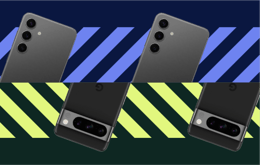


Compare models

Galaxy A17 Vs Google Pixel 8

  • 1-year minimum warranty
  • Free delivery on all items
  • Free 30-day returns
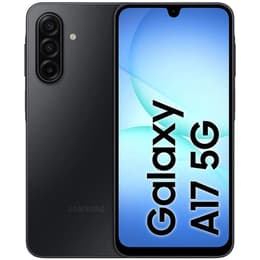
Galaxy A17
Starting at

Refurbished price:£133.00

Versus £243.85 new

See options
Google Pixel 8
Starting at

Refurbished price:£194.00

Versus £856.87 new

See options

Differences at a glance

The Samsung Galaxy A17 (2025) and the Google Pixel 8 (2023) are versatile Android smartphones designed for everyday communication, media consumption, and productivity. While both devices run on the Android operating system, they cater to different approaches within the mobile landscape by balancing practical functionality with modern software support. Choosing between them depends on how you weigh long-term software commitments against hardware refinement.

Available Models

Colour

Storage

Scores

Durability

Both smartphones provide extended software support windows, though they approach hardware durability and longevity from different angles suited to various user expectations.

  • Software Support: The Galaxy A17 features an extensive update timeline spanning several years of major operating system upgrades, while the Pixel 8 matches this with a prominent multi-year software commitment covering system updates and security patches.
  • Build and Repairability: The Google Pixel 8 incorporates sturdier front and back glass protection alongside a higher water and dust resistance rating, whereas the Galaxy A17 relies on a functional plastic-based build that handles daily wear predictably.
  • Expected Lifespan: Both models are built to remain functional for years of typical daily use, making them dependable options for users who prefer keeping their devices over multiple upgrade cycles.

Year of Release

2025

2023

OS

Android

Android

Foldable

No

No

Performance

Daily operation and multitasking capabilities vary across these models due to differences in internal hardware design and memory configuration.

  • App Loading and Multitasking: The Google Pixel 8 handles demanding applications, complex multitasking, and high-end gaming smoothly, whereas the Galaxy A17 manages standard daily apps, web browsing, and casual tasks efficiently.
  • Storage and Memory: Both devices typically offer configurations starting with sufficient RAM for seamless background app switching, alongside storage capacities suited for standard photo libraries and applications.
  • Battery Behavior: The Galaxy A17 features a large battery capacity that easily powers through a full day of mixed usage, while the Pixel 8 relies on a slightly smaller power cell that manages efficient energy consumption during active screen-on periods.

Screen quality

Display characteristics differ significantly in size, panel technology, and visual fluidity during daily media consumption and outdoor viewing.

  • Panel Technology and Clarity: The Galaxy A17 features a vibrant Super AMOLED display with deep contrast levels, while the Pixel 8 utilizes a crisp OLED panel that delivers sharp details and rich colors for videos and photos.
  • Refresh Rate and Smoothness: Both devices support elevated refresh rates above standard levels, ensuring smooth scrolling through web pages and fluid animations within the user interface.
  • Outdoor Brightness: The Pixel 8 reaches high peak brightness levels for clear visibility under direct sunlight, whereas the Galaxy A17 maintains adequate legibility for standard outdoor viewing environments.

Resolution

1080x2340

1080 x 2400

Audiovisual

Photography and media capture capabilities reflect different hardware configurations and software processing approaches between the two manufacturers.

  • Camera System Setup: The Google Pixel 8 pairs a primary wide lens with a dedicated ultra-wide sensor backed by advanced computational photography, while the Galaxy A17 offers a versatile multi-lens array for everyday snapshots.
  • Low-Light Performance: The Pixel 8 excels at capturing detailed low-light imagery with balanced exposure, whereas the Galaxy A17 produces clear results in well-lit environments with standard night photography assistance.
  • Video and Audio: Both models record stable high-definition video with clear microphone input for calls, complemented by stereo speakers that deliver adequate volume for casual media playback.

Front camera

13MP

10.5 megapixels

Miscellaneous

Practical physical traits, connectivity standards, and daily handling characteristics vary between the two smartphone designs.

  • Connectivity and Ports: Both smartphones support modern 5G cellular networks, standard Wi-Fi protocols, and Bluetooth connectivity, utilizing reversible USB-C ports for charging and data transfer.
  • Security Sensors: The Google Pixel 8 incorporates under-display optical fingerprint recognition alongside face unlock capabilities, while the Galaxy A17 integrates a responsive side-mounted fingerprint sensor within the power button.
  • Dimensions and Handling: The Pixel 8 features a compact, rounded form factor that rests comfortably in one hand, whereas the Galaxy A17 offers a larger screen real estate within a slightly broader chassis.

Weight

192 g

187 g

Screen size (in)

6.7

6,2

Mobile network

5G

5G

SIM card

Dual Physical SIM

Physical SIM + eSIM

Carrier compatibility

Unlocked

Unlocked

Connector

USB-C

USB-C

What the community thinks

User feedback from online communities highlights distinct preferences for each device based on everyday priorities. Owners of the Google Pixel 8 frequently praise its reliable photo quality, compact ergonomics, and smooth system responsiveness. Conversely, users of the Galaxy A17 often commend its dependable battery endurance, large viewing area, and substantial update commitment for an entry-level tier device. Common criticisms for the Pixel 8 sometimes involve battery depletion under heavy navigation tasks, while Galaxy A17 users occasionally note limitations in demanding gaming scenarios.

Users prioritizing advanced photography, a compact build, and premium display brightness will find the Google Pixel 8 well-suited to their daily routine. Meanwhile, users prioritizing extended battery longevity, a larger screen size, and a quality-assured refurbished option as an eco-friendly, sustainable choice may prefer the Galaxy A17. Evaluating these core preferences helps ensure a satisfying match for your specific mobile needs.