

Smartphones
Compare models
Differences at a glance
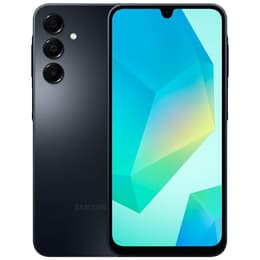
The Samsung Galaxy A16 (released in October 2024) and the Google Pixel 7 Pro (released in October 2022) are smartphones from different segments of the market, offering distinct experiences. While the Galaxy A16 focuses on delivering a balanced set of features with extended software longevity, the Pixel 7 Pro emphasizes advanced camera capabilities and a premium user experience. Both devices run on the Android operating system, with Samsung's One UI overlay on the A16 and Google's stock Android on the Pixel 7 Pro.
Colour
Storage
The practical lifespan of a smartphone is often influenced by its build quality and the duration of software support it receives. These two devices present different approaches to longevity.
Year of Release
Compatible with latest Update
OS
Foldable
Performance is a key area where these two smartphones cater to different user expectations, driven by their respective internal components.
The display is a primary interface for smartphone interaction, and both devices offer distinct visual experiences.
Resolution
Screen type
Camera capabilities are a significant differentiator, with the Pixel 7 Pro offering a more advanced and versatile photography experience.
Main camera
Front camera
Beyond the core specifications, several other features contribute to the overall user experience and practical utility of these devices.
Weight
Screen size (in)
Mobile network
SIM card
Carrier compatibility
Choosing between the Samsung Galaxy A16 and the Google Pixel 7 Pro involves weighing priorities between cutting-edge features and long-term value.
The Pixel 7 Pro is often praised by users for its exceptional camera capabilities, particularly its ability to capture detailed photos in various conditions and its advanced computational photography features. Its vibrant QHD+ OLED display and smooth 120Hz refresh rate also receive positive feedback for media consumption and overall visual experience. However, some users have noted concerns regarding its battery life, especially with heavy camera usage, and the durability of its camera bar. The curved display edges, while aesthetically pleasing, can also be a point of contention for some.
The Galaxy A16, being a more recent release, stands out with its impressive commitment to software longevity, offering six years of OS and security updates. Users appreciate its reliable battery life and the inclusion of expandable storage, which provides flexibility for media and app management. Its Super AMOLED display offers good visual quality for its segment. Criticisms typically revolve around its more modest performance compared to flagship devices and its less advanced camera system, particularly in challenging lighting. Its plastic build, while contributing to a lighter feel, may not convey the same premium impression as devices with glass and metal construction.
Users prioritizing a top-tier camera experience, a highly responsive interface for demanding tasks, and a premium display will find the Google Pixel 7 Pro well-suited to their needs. Its advanced features are ideal for photography enthusiasts and those who appreciate Google's software optimizations. Conversely, users who prioritize long-term software support, consistent all-day battery life, expandable storage, and a more budget-conscious approach will lean toward the Samsung Galaxy A16. It is a practical choice for individuals seeking a reliable device for everyday use that will remain updated for an extended period. Both devices are available as quality-assured refurbished options, providing an eco-friendly alternative for consumers.