Compare models
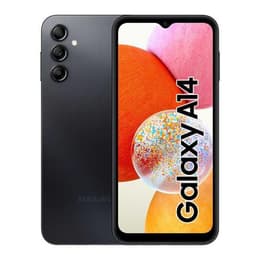
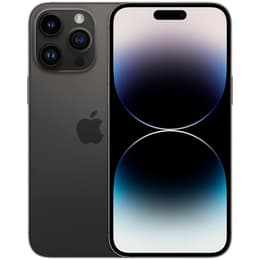
Galaxy A14 5G Vs iPhone 14 Pro Max
- 1-year minimum warranty
- Free delivery on all items
- Free 30-day returns
Differences at a glance
The Samsung Galaxy A14 5G (2023) and the iPhone 14 Pro Max (2022) represent two distinct approaches to the modern smartphone experience. While the Galaxy A14 5G focuses on providing essential 5G connectivity and a large screen for everyday tasks, the iPhone 14 Pro Max is designed as a high-performance tool with advanced imaging and display technologies. Operating on Android and iOS respectively, these devices cater to different ecosystems and user preferences regarding software customisation and hardware integration. This comparison explores how these two models differ in practical usage to help you identify which fits your daily routine.
Available Models
Colour
Storage (GB)
Scores
Durability
When evaluating how long these devices will remain functional and relevant, the differences in software support and build materials play a significant role.
- Software Longevity: The iPhone 14 Pro Max typically receives system updates for five to six years from its release, whereas the Galaxy A14 5G is generally supported for two major version upgrades and four years of security patches.
- Build Materials: The iPhone features a stainless steel frame and Ceramic Shield glass for increased durability, while the Galaxy utilises a sturdy polycarbonate shell that handles daily wear without the risk of shattering like glass.
- Repairability: Both manufacturers have expanded their repair programs, though the Galaxy's simpler internal design often makes screen and battery replacements more straightforward for technicians compared to the complex internal layout of the iPhone.
Year of Release
2023
2022
Compatible with latest Update
Yes
Yes
OS
Android
iOS
Foldable
No
No
Performance
Performance is defined by how smoothly a device handles your daily apps, from social media and web browsing to more demanding tasks like gaming or video editing.
- Task Handling: The iPhone 14 Pro Max manages intensive applications like 4K video editing and high-fidelity gaming with ease, while the Galaxy A14 5G is better suited for web browsing, social media, and standard productivity apps.
- Multitasking Efficiency: Users will find that the iPhone maintains more background apps without refreshing, whereas the Galaxy may require more frequent app reloading during heavy multitasking sessions due to its standard memory management.
- Battery Endurance: The Galaxy houses a large battery capacity that comfortably lasts through a full day of heavy use, while the iPhone benefits from highly efficient hardware that optimises power consumption during standby and media playback.
Screen quality
The display is the primary way you interact with your device, and these two models offer very different visual experiences in terms of technology and brightness.
- Display Technology: The iPhone 14 Pro Max uses an OLED panel that provides deep blacks and high contrast, while the Galaxy A14 5G employs an LCD screen that offers natural colour reproduction and good visibility for general content.
- Motion Smoothness: Both devices offer enhanced refresh rates—90Hz on the Galaxy and 120Hz on the iPhone—resulting in smoother scrolling and animations compared to standard 60Hz screens.
- Outdoor Visibility: The iPhone reaches higher peak brightness levels, making it easier to read under direct sunlight, whereas the Galaxy is well-suited for indoor and shaded environments where extreme brightness is less critical.
Resolution
1080 x 2408
1290 x 2796
Screen type
PLS LCD
LTPO Super Retina XDR OLED
Audiovisual
For many users, the camera system is the most important feature, and these devices offer different levels of versatility for photography and video.
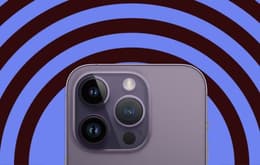
- Photography Versatility: The iPhone 14 Pro Max features a sophisticated triple-lens system with a dedicated telephoto sensor for zooming, while the Galaxy A14 5G provides a reliable main sensor for clear daytime photos and a macro lens for close-up shots.
- Video Capabilities: For users recording video, the iPhone offers advanced stabilisation and cinematic modes for a polished look, while the Galaxy provides stable high-definition recording suitable for social sharing and personal memories.
- Audio Experience: The iPhone delivers a rich stereo sound through its speakers, whereas the Galaxy includes a traditional headphone jack, allowing users to connect wired audio equipment without needing an adapter.
Main camera
50 megapixels
48 megapixels
Front camera
13 megapixels
12 megapixels
Miscellaneous
Practical features like connectivity, security sensors, and physical handling can significantly impact how a phone feels in your hand and fits into your life.
- Biometric Security: The Galaxy A14 5G uses a responsive fingerprint sensor built into the power button, while the iPhone 14 Pro Max utilises facial recognition technology for secure unlocking and authentication.
- Storage Flexibility: The Galaxy includes a microSD card slot for expanding storage capacity, a feature absent on the iPhone, which relies on fixed internal storage and cloud services for extra space.
- Physical Handling: Due to its stainless steel construction, the iPhone feels substantial and heavy in the hand, whereas the Galaxy's lighter materials make it easier to hold for extended periods despite its large physical footprint.
Weight
201 g
120 g
Screen size (in)
6.6
6.7
Mobile network
5G
5G
SIM card
Dual Physical SIM
Physical SIM + eSIM
Carrier compatibility
Unlocked
Unlocked
Connector
USB-C + Jack 3.5mm
Lightning
What the community thinks
User feedback for the Galaxy A14 5G often highlights its reliable battery life and the inclusion of the headphone jack as practical benefits, though some users note that it can feel slower when running many apps simultaneously. Conversely, the iPhone 14 Pro Max receives praise for its exceptionally bright display and fluid performance, though its weight and the transition to the Dynamic Island interface are points of discussion among long-time users. These observations reflect the different priorities each device was designed to meet.
Users who prioritise expandable storage, wired audio, and a lighter physical build will find the Galaxy A14 5G aligns well with their practical needs. Those who require high-end video tools, the longest possible software support, and a high-contrast display for media consumption may lean toward the iPhone 14 Pro Max. Choosing a quality-assured refurbished option allows users to access these high-end features while supporting a more circular economy. This approach ensures you get a device that has been tested for functionality while reducing environmental impact.
Ultimately, the decision rests on whether a user values the straightforward utility and flexibility of the Galaxy or the integrated ecosystem and advanced hardware of the iPhone. Opting for an eco-friendly alternative like a refurbished model ensures the device meets quality standards while being a sustainable choice. Both smartphones offer distinct advantages tailored to different daily requirements and user profiles.