
Compare models
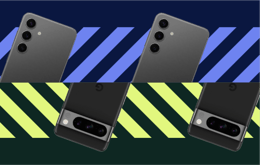
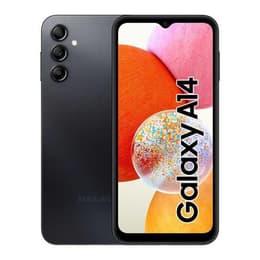
Galaxy A14 5G Vs Google Pixel 10
- 1-year minimum warranty
- Free delivery on all items
- Free 30-day returns
Differences at a glance
The Samsung Galaxy A14 5G (2023) and the Google Pixel 10 (2025) represent entirely different tiers and eras of the smartphone market. While the Galaxy A14 5G serves as an entry-level device focused on fundamental mobile connectivity, the Google Pixel 10 is a modern flagship offering advanced capabilities and an expanded software lifecycle. Running on distinct versions of the Android operating system, these devices cater to users with drastically varying performance expectations and everyday utility needs.
Available Models
Colour
Storage
Scores
Durability
When examining hardware longevity and software support timelines, these two devices reflect the gap between their respective release years and target tiers.
- Software Support: The Google Pixel 10 provides multi-year operating system upgrades reaching up to seven years from release, whereas the Galaxy A14 5G operates on a much shorter update schedule typical of entry-level hardware.
- Build and Repairability: Both devices feature sealed internal batteries and standard repair frameworks, though the newer flagship architecture incorporates higher-grade environmental sealing standards.
- Expected Lifespan: Users seeking long-term system updates and extended future readiness will find the Pixel 10 better equipped to remain current over time.
Year of Release
2023
2025
Compatible with latest Update
Yes
Yes
OS
Android
Android
Foldable
No
No
Performance
Processing power and day-to-day responsiveness differ significantly due to the generation gap and hardware class of each smartphone.
- Multitasking and Speed: The Google Pixel 10 handles demanding applications, complex multitasking, and high-end gaming smoothly with ample random access memory, while the Galaxy A14 5G is optimized for basic daily tasks like web browsing and messaging.
- Storage Configurations: The Pixel 10 offers higher baseline internal storage options without expandable memory, whereas the Galaxy A14 5G includes a dedicated microSD card slot for expandable storage capacity.
- Battery Behavior: Both devices house large batteries designed to last through standard daily use, though the Pixel 10 supports faster wired and modern wireless charging protocols.
Screen quality
Display technology dictates the visual experience, outdoor visibility, and overall smoothness of interaction on both handsets.
- Display Technology: The Google Pixel 10 features a vibrant OLED display with deep contrast levels, whereas the Galaxy A14 5G utilizes a standard LCD screen with conventional color reproduction.
- Refresh Rate and Smoothness: The Pixel 10 supports a high refresh rate of 120 Hz for fluid scrolling, compared to the 90 Hz panel found on the Galaxy A14 5G.
- Outdoor Brightness: The Pixel 10 achieves significantly higher peak brightness levels, ensuring clear legibility in direct sunlight compared to the entry-level panel on the Samsung device.
Resolution
1080 x 2408
1080x2424
Screen type
PLS LCD
OLED
Audiovisual
Optics and media consumption hardware vary substantially, offering different levels of versatility for photography and entertainment.
- Camera Systems: The Google Pixel 10 utilizes a versatile multi-lens rear array including dedicated telephoto and wide angles backed by advanced image processing software, while the Galaxy A14 5G relies on a simpler main sensor paired with basic utility lenses.
- Video and Low Light: The Pixel 10 excels in challenging low-light environments and high-resolution video recording, whereas the Galaxy A14 5G performs best in well-lit outdoor settings.
- Audio Output: Media playback on the Pixel 10 benefits from balanced stereo speakers, while the Galaxy A14 5G retains a traditional 3.5mm headphone jack for wired audio accessories.
Front camera
13 megapixels
42 megapixels
Miscellaneous
Practical everyday features, physical handling characteristics, and connectivity standards shape the daily user experience.
- Connectivity Standards: Both devices support 5G connectivity, though the Pixel 10 includes advanced Wi-Fi standards and modern Bluetooth protocols.
- Biometrics: The Pixel 10 uses a rapid in-display fingerprint sensor and facial recognition, while the Galaxy A14 5G features a side-mounted physical fingerprint reader integrated into the power button.
- Physical Design: The Galaxy A14 5G features a thicker plastic build and a larger footprint, whereas the Pixel 10 offers a more compact, refined profile with premium materials. A quality-assured refurbished option provides a sustainable choice for acquiring either model with minimized environmental impact.
Weight
201 g
204 g
Screen size (in)
6.6
6.3
Mobile network
5G
5G
SIM card
Dual Physical SIM
Physical SIM + eSIM
Carrier compatibility
Unlocked
Unlocked
Connector
USB-C + Jack 3.5mm
USB-C
What the community thinks
User feedback from online communities highlights distinct preferences for each of these smartphones based on individual usage patterns. Owners of the Galaxy A14 5G frequently praise its dependable battery endurance, straightforward interface, and the inclusion of expandable storage via a memory card slot. Conversely, users appreciate the Google Pixel 10 for its advanced camera performance, bright high-refresh-rate display, and long-term software update commitment, though some note its heavier physical weight compared to older models.
Users prioritizing basic communication, expandable storage, and a traditional headphone jack will find the Galaxy A14 5G well-suited to their needs. Meanwhile, users prioritizing high-end photography, a fluid display, and extended software longevity will lean toward the Pixel 10. Evaluating these core differences helps determine which device aligns with your daily routine, and choosing a quality-assured refurbished option offers an eco-friendly alternative for your next device purchase.