
Compare models

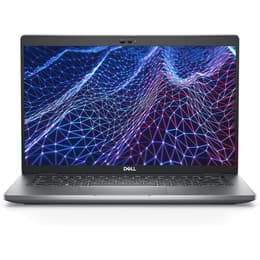
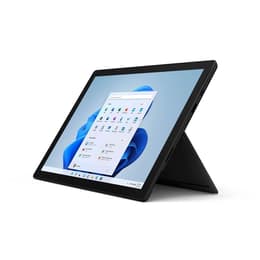
Dell Latitude 5430 14" Vs Microsoft Surface Pro 7 12"

  • 1-year minimum warranty
  • Free delivery on all items
  • Free 30-day returns
Dell Latitude 5430 14"
Starting at

Refurbished price:£340.00

Versus £1,024.78 new

See options
Microsoft Surface Pro 7 12"
Starting at

Refurbished price:£363.00

Versus £1,509.25 new

See options

Differences at a glance

The Dell Latitude 5430 (2022) and the Microsoft Surface Pro 7 (2019) represent two distinct approaches to portable computing, combining traditional laptop productivity with flexible mobile usability. While the Dell Latitude 5430 functions as a standard 14-inch clamshell notebook built for enterprise reliability, the Microsoft Surface Pro 7 operates as a 12-inch detachable tablet designed for maximum versatility and hand-held utility. Both devices utilize the Windows operating system, ensuring full compatibility with standard desktop software, office applications, and enterprise security frameworks. The primary differentiators between these devices lie in their physical form factor, screen dimensions, and hardware generation, which directly shape how users interact with them daily.

Available Models

Storage (GB)

Processor

Memory (GB)

Scores

Durability

When evaluating the longevity and maintenance of these two portable computers, several hardware and software factors influence how long each device will remain practical for daily tasks.

  • Release timeline and software support: The Dell Latitude 5430 benefits from a newer release year, allowing it to receive operating system upgrades and security patches for a longer duration compared to the Microsoft Surface Pro 7.
  • Repairability and structural design: The Dell Latitude 5430 features a traditional modular notebook layout that allows easier component servicing, whereas the Microsoft Surface Pro 7 utilizes an integrated tablet chassis that presents challenges for physical repairs.
  • Expected practical lifespan: Users can anticipate several years of reliable operation from both devices, though the newer processor generation in the Dell model provides better readiness for future software requirements.

Year of Release

2022

2019

Last Os Compatibility

Yes

Yes

OS

Windows 11

Windows 11

Performance

Day-to-day responsiveness and multitasking capabilities vary based on the internal hardware configurations and thermal management of each computer.

  • Processor capabilities and multitasking: Both devices handle standard web browsing, document editing, and video conferencing smoothly, though the Dell Latitude 5430 includes a newer generation processor that manages heavier workloads with greater efficiency.
  • Storage and memory configurations: These notebooks offer various solid-state drive and random-access memory options, ensuring quick application launching and sufficient space for local files.
  • Battery behavior and endurance: The Dell Latitude 5430 provides consistent battery longevity across a standard workday, while the smaller chassis of the Microsoft Surface Pro 7 results in more frequent charging intervals during intensive use.

Graphic card

Integrated Graphics

Integrated Graphics

Screen quality

Display technology and physical screen dimensions define the visual experience for media consumption, reading, and productivity tasks.

  • Display technology and clarity: Both models offer sharp high-definition resolutions, with the Microsoft Surface Pro 7 featuring a glossy pixel-dense touch panel and the Dell Latitude 5430 utilizing an anti-glare coating suited for office environments.
  • Brightness and outdoor visibility: Maximum brightness levels on both screens allow for comfortable indoor usage, though outdoor viewing in direct sunlight requires careful positioning to manage reflections.
  • Screen size and aspect ratio: The Microsoft Surface Pro 7 uses a taller aspect ratio optimized for document viewing in tablet mode, while the Dell Latitude 5430 provides a wider 14-inch workspace ideal for side-by-side window multitasking.

Resolution

1920 x 1080

2736 x 1824

Screen type

IPS

IPS

Audiovisual

Audio and visual communication features support remote meetings, media playback, and casual photography needs across both mobile computers.

  • Camera system capabilities: The Microsoft Surface Pro 7 includes both front-facing and rear-facing cameras suitable for scanning documents and video calls, whereas the Dell Latitude 5430 focuses on an integrated webcam above the display tailored for professional meetings.
  • Microphone and speaker output: Built-in microphone arrays capture voice input clearly for virtual conferences, and the integrated stereo speakers deliver balanced sound for casual video viewing and voice calls.
  • Media consumption experience: Audio clarity remains consistent at moderate volume levels on both devices, supporting everyday multimedia tasks without requiring external speakers.

Miscellaneous

Physical dimensions, connectivity ports, and hardware accessories shape the portability and convenience of each computing device.

  • Port selection and connectivity: The Dell Latitude 5430 offers a wide array of traditional ports including full-size USB, HDMI, and Ethernet, while the Microsoft Surface Pro 7 relies on a streamlined selection consisting of a USB-C port, a USB-A port, and a proprietary charging connector.
  • Weight and physical handling: The Microsoft Surface Pro 7 is lighter and more compact, making it convenient for travel, whereas the Dell Latitude 5430 has a slightly heavier footprint that accommodates a larger keyboard and integrated trackpad.
  • Biometric security and sensors: Both devices support secure sign-in features through facial recognition capabilities, enhancing convenience and security for daily access.

Weight

1360 g

775 g

Screen size

14

12

What the community thinks

User discussions across online communities frequently praise the Dell Latitude 5430 for its sturdy physical construction, comfortable keyboard layout, and comprehensive selection of built-in ports that eliminate the need for adapters. At the same time, community members often highlight the Microsoft Surface Pro 7 for its lightweight portability, responsive touch interface, and flexible design that transitions easily between laptop and tablet modes. Common criticisms for the Dell model focus on its heavier weight, while users occasionally note that the Surface Pro 7 requires a separate keyboard cover purchase and has limited port options.

Users who prioritize a traditional typing experience, extensive physical connectivity, and a larger workspace will find the Dell Latitude 5430 well-suited to their needs. Conversely, users prioritizing maximum portability, touch-screen interaction, and a lightweight travel profile may lean toward the Microsoft Surface Pro 7. Choosing between these devices depends entirely on whether daily work involves a traditional desk setup or a mobile, tablet-oriented workflow. Choosing a quality-assured refurbished option for either device provides an eco-friendly way to acquire reliable technology while reducing electronic waste.


Our recent comparisons