
Compare models
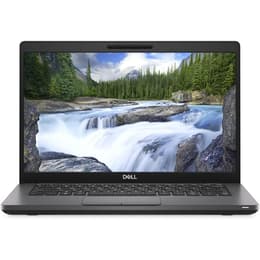
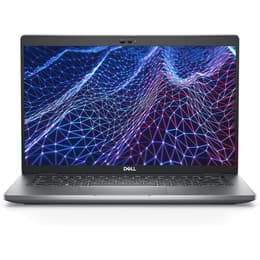
Dell Latitude 5400 14" Vs Dell Latitude 5430 14"
- 1-year minimum warranty
- Free delivery on all items
- Free 30-day returns
Differences at a glance
The Dell Latitude 5400 (2019) and the Dell Latitude 5430 (2022) are 14-inch business laptops designed for professional and everyday productivity tasks. While both models share a similar form factor and utilitarian design lineage, the Latitude 5430 introduces newer internal hardware, improved port selections, and higher display options that distinguish it from the older Latitude 5400. Both devices generally run Windows operating systems, providing a familiar interface for corporate environments and student workspaces alike.
Available Models
Storage (GB)
Processor
Memory (GB)
Scores
Durability
When evaluating hardware longevity and support timelines, the release year and generation gap between these two machines play a substantial role in practical usage expectations.
- Release timeline and support: The Latitude 5430 benefits from a 2022 launch, offering a longer window for vendor firmware updates, driver patches, and operating system compatibility compared to the 2019 Latitude 5400.
- Repairability and build: Both models feature modular internal components, two accessible memory slots, and replaceable storage drives, making them straightforward to service or upgrade over time.
- Expected lifespan: Choosing a quality-assured refurbished option of either model provides a sustainable choice that extends device lifecycles while maintaining dependable day-to-day utility.
Year of Release
2018
2022
Last Os Compatibility
Yes
Yes
OS
Windows 11
Windows 11
Performance
Handling daily workflows involves distinct generational improvements in processing efficiency, multitasking capability, and overall system responsiveness.
- Everyday multitasking: The Latitude 5430 features newer internal components that handle demanding web applications, heavy spreadsheets, and background tasks with greater speed and thermal efficiency.
- Storage and memory: Both laptops support configurable solid-state drives and dual-channel memory slots, though the newer architecture in the Latitude 5430 supports faster data transfer rates.
- System responsiveness: Users switching between multiple browser windows and office programs will notice smoother transitions and shorter application loading times on the newer model.
Graphic card
Integrated Graphics
Integrated Graphics
Screen quality
Visual clarity and panel specifications vary across these generations, impacting readability and comfort during extended viewing sessions.
- Panel technology and resolution: Both laptops offer 14-inch displays with anti-glare coatings, though the Latitude 5430 introduces higher peak brightness configurations and sharper panel options.
- Outdoor usability: The increased maximum brightness levels found on select Latitude 5430 configurations make it easier to view content in brightly lit environments or near windows.
- Viewing experience: Standard configurations for both models provide adequate color accuracy and viewing angles for document editing, web browsing, and media playback.
Resolution
1920 x 1080
1920 x 1080
Screen type
IPS
IPS
Camera
Audiovisual
Multimedia hardware, audio output, and conferencing tools reflect the technological shifts between their respective release years.
- Conferencing equipment: The Latitude 5430 generally includes an upgraded webcam and improved dual-microphone arrays, yielding clearer video and audio quality for virtual meetings.
- Audio output: Built-in stereo speakers on both devices deliver sufficient volume and clarity for conference calls and casual video streaming.
- Media consumption: Internal processing enhancements in the newer model assist in smoother video playback and better handling of media-heavy applications.
Miscellaneous
Physical design traits, connectivity standards, and port configurations dictate how easily each laptop integrates into existing desk setups.
- Connectivity standards: The Latitude 5430 incorporates more advanced wireless standards and faster Bluetooth versions for stable peripheral connections.
- Port selection: While both include traditional USB-A and HDMI connections, the Latitude 5430 features modern Thunderbolt 4 ports, whereas the Latitude 5400 relies on standard USB-C or optional Thunderbolt 3.
- Physical footprint: Both laptops maintain a professional aesthetic with similar weights and dimensions, making them convenient to carry in a backpack or briefcase.
Weight
1590 g
1360 g
Screen size
14
14
What the community thinks
User feedback on community forums highlights distinct preferences for each of these 14-inch business laptops. Owners of the Latitude 5400 frequently praise its dependable keyboard, robust port selection, and reliable performance for basic office tasks, though some note that older battery capacities require more frequent charging. Conversely, users of the Latitude 5430 highlight its improved processing speed, faster wireless connectivity, and brighter display options as major advantages for mobile productivity, while occasionally noting that base configurations require memory upgrades for heavy multitasking.
Users prioritizing maximum hardware longevity, faster connectivity standards, and improved display brightness may prefer the Dell Latitude 5430, while users seeking a straightforward, cost-effective machine for basic document editing and web browsing will find the Dell Latitude 5400 well-suited to their needs. Both models offer practical solutions for professionals and students alike, especially when selected as quality-assured refurbished options.