iPhone 13 Pro Max Vs iPhone 14

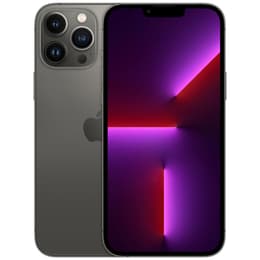
iPhone 13 Pro Max
iPhone 13 Pro Max
Starting at

£269.00

£1,049.00 new

See options
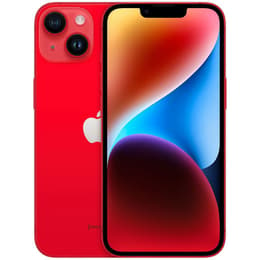
iPhone 14
iPhone 14
Starting at

£221.00

£599.00 new

See options

Ratings

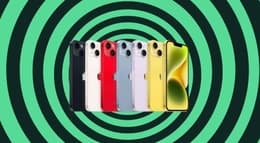
The iPhone 13 Pro Max, released in 2021, and the iPhone 14, launched in 2022, represent two different approaches within the same era of smartphone technology. While the iPhone 13 Pro Max was the top-tier flagship of its generation, the iPhone 14 arrived a year later as the standard model, inheriting several high-end features while maintaining a more compact form factor. The primary differences between these two devices lie in their physical dimensions, display technology, and specific camera capabilities.

Both smartphones operate on the iOS platform, ensuring a consistent user interface and access to the same ecosystem of applications and services. Choosing between them involves weighing the benefits of a larger, more advanced display and professional-grade camera hardware against the advantages of a newer, lighter device with updated safety features. This comparison explores how these differences translate into everyday use for different types of users.

Scores

Durability

When considering the longevity of these devices, the release dates and internal architectures play a significant role in how long they will remain relevant and functional.

  • Software Support: Because the iPhone 14 was released one year after the iPhone 13 Pro Max, it is expected to receive iOS updates for an additional year, potentially extending its useful life for those who plan to keep their device for five years or more.
  • Repairability Design: The iPhone 14 features a redesigned internal structure that allows the back glass to be removed independently, making certain repairs simpler and more straightforward compared to the more complex assembly of the iPhone 13 Pro Max.
  • Physical Durability: The iPhone 13 Pro Max is constructed with a stainless steel frame, which offers high resistance to structural bending and impacts, whereas the iPhone 14 uses a lighter aluminium frame that is durable but slightly more prone to minor scuffs.

Year of Release

2021

2022

Compatible with latest Update

Yes

Yes

OS

iOS

iOS

Foldable

No

No

Performance

In terms of raw power and daily responsiveness, these two models are surprisingly similar due to sharing a nearly identical internal processing foundation.

  • System Speed: Both devices handle demanding tasks such as high-definition video editing, intensive gaming, and rapid multitasking without noticeable lag, providing a smooth and responsive experience across all applications.
  • Battery Endurance: The iPhone 13 Pro Max features a significantly larger battery capacity, often lasting through two full days of moderate use, while the iPhone 14 is designed for a full day of use and typically requires nightly charging.
  • Multitasking Efficiency: With similar amounts of temporary memory (RAM), both phones maintain multiple open apps in the background effectively, allowing users to switch between tasks like navigation, social media, and email without the apps restarting.

Memory

6 GB

6 GB

Screen quality

The display is perhaps the most immediate difference users will notice, as the two screens offer very different visual experiences in terms of size and smoothness.

  • Refresh Rate: The iPhone 13 Pro Max includes ProMotion technology, which allows the screen to refresh up to 120 times per second for incredibly smooth scrolling and animations, whereas the iPhone 14 uses a standard 60Hz refresh rate.
  • Viewing Area: Users who consume a lot of video content or work on documents will benefit from the 6.7-inch screen of the 13 Pro Max, which provides much more space than the 6.1-inch display found on the iPhone 14.
  • Brightness and Clarity: Both models utilize OLED technology to deliver deep blacks and vibrant colours, and both reach high peak brightness levels that ensure the screen remains clearly visible even when used outdoors in bright sunlight.

Resolution

1284 x 2778

1170 x 2532

Screen type

Super Retina XDR OLED

Super Retina XDR OLED

Audiovisual

While both phones are capable of capturing high-quality images and video, the hardware configurations cater to different photography needs and styles.

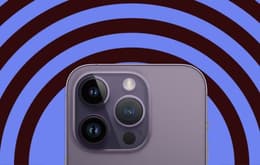
  • Lens Versatility: The iPhone 13 Pro Max features a triple-lens system including a dedicated telephoto lens for 3x optical zoom and a macro mode for close-up photography, features that are not available on the dual-lens iPhone 14.
  • Low-Light Performance: The iPhone 14 introduces an updated image processing pipeline that improves detail and colour accuracy in dim environments, helping to compensate for its lack of a third lens in challenging lighting conditions.
  • Video Stabilisation: For users who record video while moving, the iPhone 14 offers an advanced stabilisation mode that significantly reduces camera shake, providing a level of smoothness that exceeds the standard stabilisation on the 13 Pro Max.

Main camera

12 megapixels

12 megapixels

Front camera

12 megapixels

12 megapixels

Miscellaneous

Beyond the core specifications, several practical features and physical attributes influence how these devices feel and function in a real-world setting.

  • Safety Innovations: The iPhone 14 includes specialized hardware for crash detection and emergency satellite connectivity, providing modern safety features that were not yet available when the 13 Pro Max was designed.
  • Weight and Ergonomics: The iPhone 13 Pro Max is considerably heavier and wider, which may lead to hand fatigue during long sessions, while the iPhone 14 is lightweight and much easier to operate with one hand.
  • Connectivity Standards: Both smartphones support 5G for fast mobile data and use the Lightning port for charging and data transfer, ensuring they are compatible with a wide range of existing cables and accessories.

Weight

238 g

172 g

Screen size (in)

6.7

6.1

Network

5G

5G

SIM card

Physical SIM + eSIM

Physical SIM + eSIM

Carrier compatibility

Unlocked

Unlocked

Connector

Lightning

Lightning

User discussions on various tech forums indicate that the iPhone 13 Pro Max remains highly regarded for its exceptional battery life and the smoothness of its 120Hz display. Many users who have owned both suggest that the larger screen is a significant advantage for media consumption, though some find the weight of the stainless steel frame to be a drawback for daily portability. On the other hand, the iPhone 14 is frequently praised for being a reliable, "no-fuss" device that is comfortable to carry, with many users appreciating the added peace of mind provided by the newer safety sensors.

Users who prioritise a large-screen experience for gaming or movies and require the longest possible battery endurance will likely find the iPhone 13 Pro Max to be the better fit for their needs. Conversely, those who prefer a compact, lightweight smartphone that is easier to handle and want the benefit of a longer software support window may lean toward the iPhone 14. Choosing a quality-assured refurbished option is an eco-friendly alternative that allows users to access these high-end features while supporting a more sustainable electronics lifecycle. Ultimately, both devices offer a high level of performance and reliability, making them excellent choices for any modern smartphone user in 2026.