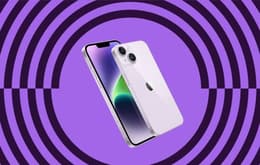
iPhone 12 Vs iPhone 14 Plus

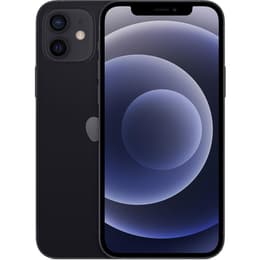
iPhone 12
iPhone 12
Starting at

£140.00

£649.00 new

See options
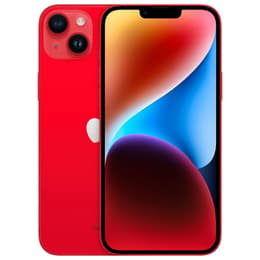
iPhone 14 Plus
iPhone 14 Plus
Starting at

£260.00

£699.00 new

See options

Ratings

The iPhone 12, launched in 2020, and the iPhone 14 Plus, released in 2022, represent two different eras of Apple's smartphone design. While the iPhone 12 serves as a standard-sized flagship, the iPhone 14 Plus offers a significantly larger display and expanded battery capacity for those who prioritise screen real estate. Both devices operate on Apple's iOS platform, ensuring a consistent user interface and access to a vast ecosystem of applications. For those looking to make a sustainable choice, considering an eco-friendly alternative like a refurbished model can provide these modern features while reducing environmental impact.

Scores

Durability

The two-year gap between these models significantly impacts their long-term software support and overall lifecycle expectations.

  • Software Support and Longevity: The iPhone 14 Plus is expected to receive iOS updates for approximately two years longer than the iPhone 12, given its more recent release date. This means users can expect the latest security patches and feature updates to continue well into the late 2020s, whereas the iPhone 12 will likely reach its software limit sooner.
  • Physical Build and Resilience: Both devices feature Ceramic Shield fronts and aerospace-grade aluminium edges, providing similar resistance to daily wear and tear. They are both rated for water and dust resistance, ensuring they can withstand accidental spills or brief submersion without immediate damage to the internal components.
  • Repairability Standards: These models share a similar internal architecture, making common repairs like screen replacements or battery swaps straightforward for qualified technicians. The availability of replacement parts remains high for both, ensuring that maintaining the device over several years is a practical reality for most owners.

Year of Release

2020

2022

Compatible with latest Update

Yes

Yes

OS

iOS

iOS

Foldable

No

No

Performance

While both phones handle daily tasks with ease, the iPhone 14 Plus is designed for more intensive use over longer periods without needing a recharge.

  • Battery Endurance and Charging: The iPhone 14 Plus features a much larger internal battery, allowing it to last through nearly two full days of moderate use, whereas the iPhone 12 typically requires a daily charge to keep up with standard routines. This makes the larger model particularly well-suited for travellers or those who are often away from a power outlet.
  • System Responsiveness and Multitasking: The newer internals in the iPhone 14 Plus provide more headroom for demanding applications and smoother switching between multiple open apps compared to the iPhone 12. Users will notice that heavy games and photo editing software load slightly faster and run with fewer interruptions on the more recent model.
  • Storage and Data Management: Both models offer various storage tiers to house apps, photos, and videos. However, the iPhone 14 Plus starts with a higher base capacity, which is beneficial for users who prefer to keep their media stored locally rather than relying heavily on cloud-based subscription services for extra space.

Memory

4 GB

6 GB

Screen quality

The most immediate difference between these two devices is the physical scale and visual impact of their displays, which dictates how users interact with their content.

  • Display Size and Immersion: The iPhone 14 Plus boasts a 6.7-inch screen, providing a much larger canvas for watching videos, playing games, or reading long documents. In contrast, the iPhone 12 maintains a more compact 6.1-inch form factor, which many users find more manageable for one-handed typing and navigation.
  • Brightness and Outdoor Visibility: Both use OLED technology for deep blacks and vibrant colours, but the iPhone 14 Plus offers higher peak brightness levels. This technical improvement ensures that the screen remains legible even under direct sunlight, reducing the need to squint or find shade when using the phone outdoors.
  • Clarity and Visual Detail: Each device provides a high-resolution experience with sharp text and detailed imagery. While the pixel density is similar, the sheer size of the 14 Plus makes it a more comfortable choice for users who frequently use their smartphone as their primary device for media consumption and entertainment.

Resolution

1170 x 2532

1284 x 2778

Screen type

Super Retina XDR OLED

Super Retina XDR OLED

Audiovisual

Both smartphones utilise a dual-camera system, but the iPhone 14 Plus benefits from updated sensors and processing capabilities that enhance the final image quality.

  • Low-Light Photography Performance: The iPhone 14 Plus features a larger main sensor that captures more light, resulting in clearer photos with less grain when shooting in dim environments compared to the iPhone 12. This improvement is particularly noticeable in indoor settings or during evening outings where natural light is limited.
  • Video Stability and Action Capture: A dedicated stabilisation mode on the iPhone 14 Plus allows for incredibly smooth handheld video recording, even when the user is moving quickly. This feature is absent on the older model, making the 14 Plus a better companion for capturing sports, pets, or active children.
  • Audio Output and Recording: Both devices provide clear stereo sound and high-quality microphone arrays for calls and voice memos. The larger body of the 14 Plus allows for slightly more resonant speaker output, providing a fuller sound profile when listening to music or podcasts without external headphones.

Main camera

12 megapixels

12 megapixels

Front camera

12 megapixels

12 megapixels

Miscellaneous

Beyond the core specifications, these devices differ in their physical footprint and the inclusion of modern safety technologies that provide peace of mind.

  • Handling, Weight, and Portability: The iPhone 12 is lighter and narrower, making it easier to use with one hand and more comfortable to carry in smaller pockets. The iPhone 14 Plus, while offering more screen space, requires a two-handed grip for most users and adds a noticeable weight to a bag or pocket.
  • Safety Innovations and Sensors: The iPhone 14 Plus includes advanced sensors capable of detecting severe car crashes and automatically contacting emergency services if the user is unresponsive. This modern safety feature is a significant addition that is not available on the older iPhone 12 hardware.
  • Connectivity and Network Efficiency: Both support 5G networks for fast mobile data, but the iPhone 14 Plus uses more efficient components that can maintain a stable connection in areas with weaker signals. This ensures more reliable browsing and streaming when moving through different network environments or during commutes.

Weight

164 g

203 g

Screen size (in)

6.1

6.7

Network

5G

5G

SIM card

Physical SIM + eSIM

Physical SIM + eSIM

Carrier compatibility

Unlocked

Unlocked

Connector

Lightning

Lightning

User consensus from various online forums often highlights the iPhone 12 as a reliable, standard-sized device that fits comfortably in most pockets, though some note its battery life can be limiting for heavy users. Conversely, the iPhone 14 Plus receives significant praise for its exceptional battery endurance and large screen, which many find ideal for travel and entertainment, despite its bulkier frame. Some users have mentioned that the iPhone 12 remains a very capable device for everyday social media and communication, while the 14 Plus is preferred by those who consume a lot of video content or work remotely.

Users who prioritise portability, one-handed use, and a classic design will likely find the iPhone 12 more suitable for their daily lifestyle. Those who require maximum battery life and a large display for productivity, gaming, or media will lean toward the iPhone 14 Plus. Choosing a quality-assured refurbished option for either model is a sustainable choice that helps reduce electronic waste while providing a reliable, high-performing device. Ultimately, the decision rests on whether you prefer a compact, lightweight experience or a larger, long-lasting powerhouse that can handle more intensive daily demands.

See all articles

Our recent comparisons