
Google Pixel Fold Vs iPhone 12 Pro Max

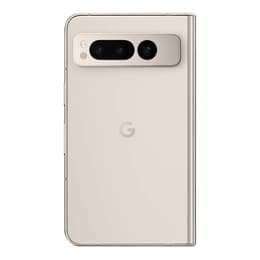
Google Pixel Fold
Google Pixel Fold
Starting at

Refurbished price:£371.00

Versus £1,499.00 new

See options
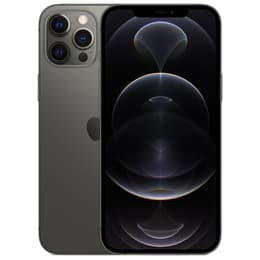
iPhone 12 Pro Max
iPhone 12 Pro Max
Starting at

Refurbished price:£236.00

Versus £979.00 new

See options

Ratings

The Google Pixel Fold, released in 2023, and the iPhone 12 Pro Max, launched in 2020, represent two very different approaches to the high-end smartphone market. While the Pixel Fold introduces a versatile folding design that transforms from a standard phone into a compact tablet, the iPhone 12 Pro Max remains a classic, large-format device known for its reliability and deep integration into the iOS ecosystem. These devices cater to distinct user needs, with the Pixel focusing on cutting-edge multitasking and the iPhone on a refined, traditional flagship experience.

Despite the three-year age gap, both smartphones continue to offer high-level performance for modern users. The Pixel Fold runs on Google's tailored version of Android, designed specifically to take advantage of its unique form factor, while the iPhone 12 Pro Max utilises Apple's consistent and user-friendly iOS. Choosing between them involves weighing the benefits of a transformative screen against the stability of a time-tested design.

Scores

Durability

The three-year difference in release dates significantly impacts the expected software support and physical longevity of these two devices.

  • Software longevity: The iPhone 12 Pro Max is expected to receive operating system updates for several more years, typically reaching a seven-year lifespan from its launch, while the Pixel Fold benefits from being a much newer release with a commitment to security updates through 2028.
  • Physical construction: The iPhone 12 Pro Max features a solid stainless steel frame and specialised glass protection, offering high resistance to drops, whereas the Pixel Fold includes a complex hinge mechanism that requires more careful handling despite its water-resistant rating.
  • Repairability: Traditional slab phones like the iPhone are generally more straightforward to service at professional centres compared to the intricate internal components and flexible displays found in foldable technology.

Year of Release

2023

2020

Compatible with latest Update

Yes

Yes

OS

Android

iOS

Foldable

Yes

No

Performance

Both devices handle demanding modern applications with ease, though they prioritise different aspects of the daily user experience.

  • Multitasking capabilities: The Pixel Fold excels at running multiple apps side-by-side on its expansive inner display, making it ideal for users who need to reference documents while writing emails or watching videos simultaneously.
  • System responsiveness: The iPhone 12 Pro Max maintains a very smooth and consistent feel during daily tasks like scrolling and switching between apps, thanks to its highly optimised operating system and efficient internal hardware.
  • Battery and storage: Both models offer various storage capacities to suit different needs, and while the Pixel Fold has a larger physical battery to power its two screens, the iPhone 12 Pro Max is noted for its efficient power management during long days of standard use.

Memory (GB)

12 GB

6 GB

Screen quality

The most striking difference between these two smartphones lies in their display technology and how users interact with visual content.

  • Display versatility: The Pixel Fold features a 5.8-inch external screen for quick tasks and a massive 7.6-inch internal OLED display that provides a tablet-like experience with a high refresh rate for fluid movement.
  • Visual clarity: The iPhone 12 Pro Max offers a 6.7-inch Super Retina display that provides excellent colour accuracy and high brightness, making it very easy to read even in direct sunlight.
  • Viewing experience: While the iPhone provides a consistent and familiar large-screen experience for movies and games, the Pixel Fold offers a much larger canvas that is particularly beneficial for reading e-books or viewing detailed spreadsheets.

Resolution

1840 x 2208

1284 x 2778

Screen type

Foldable OLED

Super Retina XDR OLED

Audiovisual

Photography enthusiasts will find that both devices offer sophisticated triple-lens systems, though their strengths lie in different areas of image capture.

  • Zoom and versatility: The Pixel Fold includes a powerful telephoto lens capable of 5x optical zoom, allowing for clear photos of distant subjects, whereas the iPhone 12 Pro Max offers a 2.5x optical zoom that is well-suited for portraits.
  • Video and low light: The iPhone 12 Pro Max is frequently praised for its natural-looking video recording and its depth-sensing technology, which helps with fast focus and portrait accuracy in dark environments.
  • Image processing: Google's approach focuses on intelligent software that balances shadows and highlights automatically, while Apple's system tends to produce more true-to-life colours and consistent skin tones across different lighting conditions.

Main camera

48 megapixels

12 megapixels

Front camera

8 megapixels

12 megapixels

Miscellaneous

Beyond the core specifications, the physical footprint and connectivity of these devices play a major role in daily comfort and utility.

  • Dimensions and weight: The iPhone 12 Pro Max is a large but relatively thin device that fits into most pockets, while the Pixel Fold is significantly heavier and thicker when closed, which may be a consideration for those who prefer lightweight hardware.
  • Biometrics and ports: The iPhone uses facial recognition for secure unlocking and a proprietary charging port, while the Pixel Fold utilises a fingerprint sensor built into the power button and a standard USB-C port.
  • Connectivity: Both smartphones support 5G networks for fast mobile data, ensuring they remain compatible with modern cellular infrastructure for years to come.

Weight

283 g

226 g

Screen size (in)

7.6

6.7

Mobile network

5G

5G

SIM card

Physical SIM + eSIM

Physical SIM + eSIM

Carrier compatibility

Unlocked

Unlocked

Connector

USB-C

Lightning

User feedback from various tech communities highlights the distinct appeal of each device. The Pixel Fold is often lauded for its innovation and the genuine utility of having a tablet-sized screen in a pocketable format, though some users mention the weight as a necessary trade-off for the folding technology. Conversely, the iPhone 12 Pro Max is praised for its robust build quality and a battery that many find lasts comfortably through a full day even years after its initial release. Some users note that the standard refresh rate on the iPhone feels less fluid compared to the high-speed display on the Pixel, but the overall stability of the iOS ecosystem remains a major draw for many.

Users who prioritise cutting-edge innovation, heavy multitasking, and a larger screen for media consumption will likely find the Google Pixel Fold to be the more suitable choice for their lifestyle. On the other hand, those who value a proven, durable design, a seamless ecosystem, and a more traditional smartphone feel may prefer the iPhone 12 Pro Max. Choosing a quality-assured refurbished option for either device is a sustainable choice that helps reduce electronic waste while providing a high-performance experience. Ultimately, the decision rests on whether you prefer the transformative potential of a foldable or the refined reliability of a classic flagship. As an eco-friendly alternative, both models are available through circular economy platforms to extend their useful life and support a more responsible tech industry.

See all articles

Our recent comparisons