
Google Pixel 9 Pro Fold Vs iPhone 13 mini

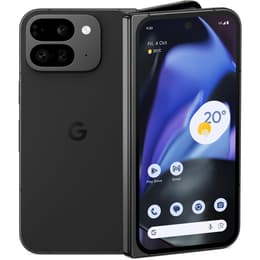
Google Pixel 9 Pro Fold
Starting at

Refurbished price:£538.00

Versus £1,739.49 new

See options
iPhone 13 mini
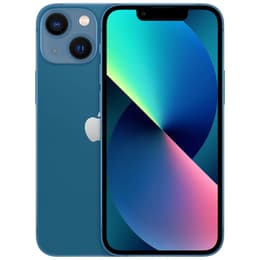
iPhone 13 mini
Starting at

Refurbished price:£186.00

Versus £649.00 new

See options

Ratings

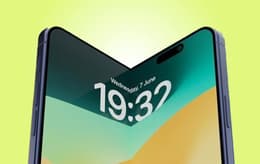
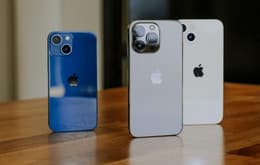
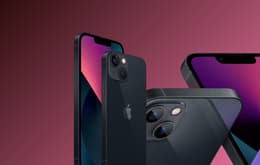
The Google Pixel 9 Pro Fold, released in late 2024, represents Google's latest entry into the foldable smartphone market, offering a versatile large-screen experience. In contrast, the iPhone 13 Mini, launched in late 2021, is a compact smartphone designed for one-handed use and portability. The primary distinction between these two devices lies in their fundamental form factor and size, catering to vastly different user preferences and usage scenarios. Both operate on their respective proprietary operating systems, Android for the Pixel and iOS for the iPhone, each providing a distinct software ecosystem.

Scores

Durability

The longevity of a smartphone is influenced by its release timeline, software support, and physical resilience.

  • Release Timeline & Age: The Google Pixel 9 Pro Fold, having been released in late 2024, benefits from a more recent manufacturing date. The iPhone 13 Mini was released in September 2021, making it an older device in the product cycle.
  • OS Support Duration: Google has committed to providing seven years of software support, including OS upgrades, security updates, and Feature Drops, for the Pixel 9 Pro Fold, extending its usability until at least August 2031. The iPhone 13 Mini typically receives iOS updates for approximately 5-6 years from its release, with security patches potentially continuing for a few more years, meaning its software support is expected to last until around 2031 for security updates.
  • Physical Durability: The iPhone 13 Mini features Ceramic Shield on its front for enhanced drop protection and is rated IP68 for splash, water, and dust resistance. The Pixel 9 Pro Fold, as a foldable device, introduces additional considerations regarding the durability of its folding screen and hinge mechanism, though modern foldables are designed with increasing resilience.

Year of Release

2024

2021

Compatible with latest Update

Yes

Yes

OS

Android

iOS

Foldable

Yes

No

Performance

Performance is a key aspect for daily smartphone use, impacting everything from app responsiveness to multitasking capabilities.

  • Processor Capabilities: The Google Pixel 9 Pro Fold is equipped with the Tensor G5 processor, designed to handle demanding applications, advanced AI features, and smooth multitasking. The iPhone 13 Mini features the A15 Bionic chip, which, despite being an older generation, still delivers robust performance for everyday tasks, gaming, and running multiple applications efficiently.
  • RAM & Multitasking: The Pixel 9 Pro Fold comes with 16GB of RAM, providing substantial capacity for intensive multitasking and ensuring smooth operation even with numerous applications open simultaneously. The iPhone 13 Mini includes 4GB of RAM, which is optimized by iOS to manage applications effectively, though heavy users might experience app reloading more frequently compared to devices with higher RAM.
  • Storage Options: Both devices offer various storage configurations. The Pixel 9 Pro Fold is available with 256GB and 512GB options. The iPhone 13 Mini offers 128GB, 256GB, and 512GB storage variants.

Memory (GB)

16 GB

4 GB

Screen quality

The display is the primary interface for user interaction, and its quality significantly influences the viewing experience.

  • Display Technology & Size: The Google Pixel 9 Pro Fold features two OLED displays: a large 8.0-inch inner folding screen and a 6.3-inch outer cover screen. This foldable design offers a tablet-like experience when unfolded and a more traditional smartphone experience when closed. The iPhone 13 Mini has a single 5.4-inch Super Retina XDR OLED display, providing a compact and vibrant viewing area.
  • Resolution & Clarity: The Pixel 9 Pro Fold's inner display has a resolution of 2076 x 2152 pixels (373 ppi), and its cover screen is 1080 x 2424 pixels (422 ppi), both offering clear and detailed visuals. The iPhone 13 Mini's display has a resolution of 2340 x 1080 pixels at 476 ppi, resulting in sharp images and text on its smaller screen.
  • Brightness & Refresh Rate: The Pixel 9 Pro Fold's displays can reach a peak brightness of 2700 nits, offering excellent visibility in various lighting conditions. Its inner screen supports a variable refresh rate from 1Hz to 120Hz, while the cover screen ranges from 60-120Hz, contributing to smooth scrolling and responsive interactions. The iPhone 13 Mini's display offers a typical maximum brightness of 800 nits and a peak HDR brightness of 1200 nits. It features a standard 60Hz refresh rate.

Resolution

2076 x 2152

1080 x 2340

Audiovisual

Camera systems are crucial for capturing moments, and both devices offer distinct photographic capabilities.

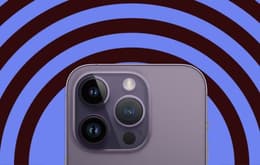
  • Rear Camera System: The Google Pixel 9 Pro Fold features a triple-lens rear camera setup, including a 48MP main sensor with optical image stabilization (OIS), a 10.5MP ultrawide lens with a 127-degree field of view that also functions as a macro lens, and a 10.8MP telephoto lens with OIS, offering 5x optical zoom and up to 20x digital zoom. The iPhone 13 Mini has a dual 12MP rear camera system, comprising a main wide-angle lens with sensor-shift OIS and an ultrawide lens with a 120-degree field of view.
  • Photography Performance: The Pixel 9 Pro Fold leverages Google's computational photography for detailed images, strong low-light performance, and advanced features. The iPhone 13 Mini also excels in photography, particularly in everyday and low-light conditions, with features like Smart HDR 4 and Deep Fusion enhancing image quality.
  • Video Recording & Front Camera: Both devices support video recording up to 4K at 60 frames per second. The Pixel 9 Pro Fold includes a 10MP front camera and a separate 10MP inner camera for video calls and selfies. The iPhone 13 Mini features a 12MP front camera and offers Cinematic mode for video, which provides a shallow depth of field effect.

Front camera

10 megapixels

12 megapixels

Miscellaneous

Beyond core specifications, several practical elements contribute to the overall user experience and device utility.

  • Connectivity & Ports: The Google Pixel 9 Pro Fold supports 5G connectivity, Wi-Fi 7, and includes Ultra-Wideband (UWB) and Thread for enhanced wireless communication and smart home integration. It features a USB-C port for charging and data transfer. The iPhone 13 Mini supports 5G and Wi-Fi 6, along with Bluetooth 5.0 and UWB. It utilizes Apple's proprietary Lightning port.
  • Biometrics & Sensors: The Pixel 9 Pro Fold incorporates both a fingerprint sensor and face unlock for secure authentication. The iPhone 13 Mini relies on Face ID for facial recognition. Both devices include standard sensors such as accelerometers, gyroscopes, and ambient light sensors.
  • Design & Handling: The Pixel 9 Pro Fold's foldable design allows for a large screen in a more compact, though thicker, folded form. It weighs 257g. The iPhone 13 Mini is known for its compact dimensions (131.5 x 64.2 x 7.65 mm) and light weight (141g), making it ideal for one-handed operation and easy pocketability.

Weight

257 g

140 g

Screen size (in)

8.0

5.4

Mobile network

5G

5G

SIM card

Physical SIM + eSIM

Physical SIM + eSIM

Carrier compatibility

Unlocked

Unlocked

Connector

USB-C

Lightning

The Google Pixel 9 Pro Fold and the iPhone 13 Mini cater to distinct user needs, primarily differentiated by their form factor and ecosystem. Users often praise the iPhone 13 Mini for its compact size, making it comfortable for one-handed use and easy to carry. Its performance, even years after its release, is generally considered sufficient for most daily tasks, and its camera system is well-regarded for its consistent quality. Some common criticisms for the iPhone 13 Mini include its battery life, which, while improved over its predecessor, may still require more frequent charging for heavy users, and its 60Hz display refresh rate.

The Pixel 9 Pro Fold, on the other hand, is lauded for its expansive foldable display, offering a versatile canvas for productivity and media consumption. Its advanced camera system, coupled with Google's computational photography, is a significant draw for those prioritizing photographic capabilities. The extended software support also provides a longer period of up-to-date features and security. Potential concerns for foldable devices often revolve around the long-term durability of the folding screen and the increased weight and thickness compared to traditional smartphones.

Users prioritizing a large, adaptable screen for multitasking, media, and advanced photography, along with a longer software support window, may find the Google Pixel 9 Pro Fold well-suited to their needs. Conversely, users who value extreme portability, comfortable one-handed use, and a familiar, streamlined operating system might lean toward the iPhone 13 Mini. Both devices offer quality-assured refurbished options, providing an eco-friendly alternative for consumers seeking to make informed and sustainable choices.

See all articles

Our recent comparisons