
Compare models

Google Pixel 10 Pro XL Vs iPhone 16 Plus

  • 1-year minimum warranty
  • Free delivery on all items
  • Free 30-day returns
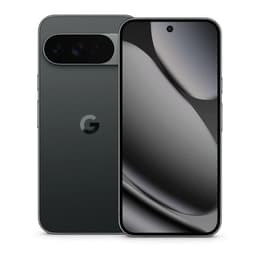
Google Pixel 10 Pro XL
Starting at

Refurbished price:£502.00

Versus £1,196.66 new

See options
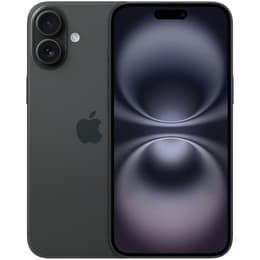
iPhone 16 Plus
Starting at

Refurbished price:£536.25

Versus £799.00 new

See options

Differences at a glance

The Google Pixel 10 Pro XL (2025) and the Apple iPhone 16 Plus (2024) are large-screen smartphones designed for users who want expansive display real estate and dependable battery life. While both devices serve as premium options within their respective ecosystems, they differ significantly in software environments, display smoothness, and camera configurations. Running on Android 16 and iOS respectively, these models cater to distinct user preferences regarding daily workflow and personal technology integration.

Available Models

Colour

Storage (GB)

Scores

Durability

When evaluating long-term utility, both smartphones offer robust support windows, though they launch from different release years with distinct update schedules.

  • Software Support: Both manufacturers provide multi-year operating system updates and security patches, helping ensure the devices remain secure and current for years of typical daily usage.
  • Repairability: Each manufacturer offers established service channels and repair pathways, making it straightforward to replace components like batteries or screens over time.
  • Expected Lifespan: Robust build materials and high-capacity internal batteries mean both options easily endure several years of heavy professional or personal use without performance degradation.

Year of Release

2025

2024

Compatible with latest Update

Yes

Yes

Foldable

No

No

Performance

Both handsets handle intensive daily operations, multitasking, and demanding mobile applications with high levels of system responsiveness.

  • Multitasking and Speed: Generous memory allocation ensures smooth switching between resource-heavy productivity tools, navigation apps, and background tasks.
  • Battery Behavior: Large internal battery capacities on both devices comfortably sustain a full day of mixed usage, reducing the need for midday recharges.
  • Storage Configurations: Multiple internal storage tiers accommodate large photo libraries, downloaded media, and offline files without straining system resources.

Screen quality

Large-format OLED panels deliver sharp visuals, deep contrast levels, and comfortable viewing experiences for media consumption and reading.

  • Display Technology: Both models utilize advanced organic light-emitting diode technology, producing vivid colors and deep black levels for everyday viewing.
  • Brightness and Outdoor Legibility: High peak luminance capabilities allow the screens to remain clearly legible under direct sunlight or bright outdoor conditions.
  • Refresh Rate Dynamics: The Google Pixel 10 Pro XL features a fluid 120Hz refresh rate for seamless scrolling, while the iPhone 16 Plus maintains a standard 60Hz refresh rate.

Resolution

1344x2992

1290 x 2796

Audiovisual

Camera systems on both devices excel at capturing detailed everyday moments, low-light scenes, and high-definition video.

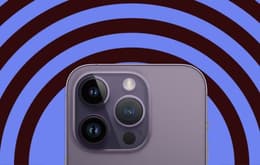
  • Lens Versatility: The Google Pixel 10 Pro XL includes a dedicated optical telephoto zoom lens for distant subjects, whereas the iPhone 16 Plus utilizes a dual-camera system with a high-resolution main sensor.
  • Video and Audio Quality: Both phones record stable, crisp video footage with clear internal microphone arrays suitable for voice notes, calls, and content creation.
  • Media Consumption: Stereo speaker setups on both devices deliver balanced audio output for podcasts, casual video streaming, and speakerphone calls.

Front camera

42 megapixels

12 megapixels

Miscellaneous

Physical design choices and connectivity features influence how each device feels and functions in everyday scenarios.

  • Connectivity Standards: Both models support modern 5G networks, fast Wi-Fi standards, and current Bluetooth protocols for reliable wireless accessories.
  • Physical Build: The Google Pixel 10 Pro XL weighs slightly more and incorporates a textured rear glass finish, while the iPhone 16 Plus offers a lighter aluminum and color-infused glass body.
  • Security and Controls: Biometric authentication relies on facial recognition and fingerprint scanning on the Google device, compared to facial recognition on the Apple model.

Weight

232 g

199 g

Screen size (in)

6.8

6.7

Mobile network

5G

5G

SIM card

Physical SIM + eSIM

eSIM

Carrier compatibility

Unlocked

Unlocked

Connector

USB-C

USB-C (USB 2)

What the community thinks

Choosing between the Google Pixel 10 Pro XL and the Apple iPhone 16 Plus ultimately depends on individual software preferences and daily hardware priorities. Users who prefer a high refresh rate display, a dedicated optical zoom lens, and deep integration with Google services frequently gravitate toward the Pixel. Conversely, users embedded in the Apple ecosystem who value streamlined hardware controls, long battery stamina, and the iOS interface often lean toward the iPhone. Online community feedback frequently praises both models for dependable battery endurance and bright, clear screens, though some users note that their large physical footprints require two-handed operation. For consumers seeking an eco-friendly alternative, choosing a quality-assured refurbished option provides a sustainable way to access these advanced features while reducing electronic waste. Both devices offer robust capabilities, ensuring that your choice rests entirely on which operating system and feature set best complement your daily routine.