
Galaxy Z Fold7 Vs OnePlus 10 Pro

Galaxy Z Fold7
Galaxy Z Fold7
Starting at

Refurbished price:£916.00

Versus £1,799.00 new

See options
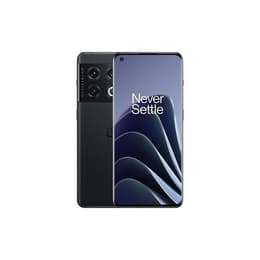
OnePlus 10 Pro
OnePlus 10 Pro
Starting at

Refurbished price:£391.00

Versus £769.39 new

See options

Ratings

The Samsung Galaxy Z Fold7, released in July 2025, and the OnePlus 10 Pro, launched in early 2022, represent distinct approaches to smartphone design and functionality. While the Z Fold7 offers a unique foldable form factor that transforms from a traditional smartphone into a larger tablet-like display, the OnePlus 10 Pro provides a more conventional, high-performance slab experience. Both devices operate on the Android platform, but their core differentiators lie in their display technology, overall user experience, and the generational advancements in their internal components.

Scores

Durability

When considering the long-term usability of these devices, their release timelines and software support policies are key factors. The Galaxy Z Fold7, being a more recent device, benefits from a longer expected period of software updates compared to the OnePlus 10 Pro.

  • Software Longevity: The Galaxy Z Fold7 launched with Android 16 and is expected to receive major Android updates for several years, extending its functional lifespan well into the future. The OnePlus 10 Pro, released with Android 12, received its final major OS upgrade to Android 16 in early 2026 and is slated to receive security patches until 2027, marking the end of its official software support.
  • Build Durability: The Z Fold7 features a sophisticated folding mechanism and advanced display materials designed for repeated opening and closing, alongside improved water resistance. The OnePlus 10 Pro utilizes a traditional glass and aluminum construction, offering robust protection against everyday bumps and scratches, though global models generally lack an official IP rating for water and dust resistance.
  • Practical Lifespan: Users prioritizing the latest software features and extended security updates will find the Z Fold7 offers a longer period of manufacturer support. The OnePlus 10 Pro, while still a capable device, is nearing the end of its official software update cycle, which might influence its practical lifespan for users who value current operating system features.

Year of Release

2025

2022

Compatible with latest Update

Yes

Yes

OS

Android

Android

Foldable

Yes

No

Performance

The performance capabilities of these two smartphones reflect their respective release years, with the newer Galaxy Z Fold7 incorporating more recent advancements in processing power and efficiency.

  • Processing Power: The Galaxy Z Fold7 is equipped with a current-generation processor, enabling it to handle demanding applications, intensive multitasking, and advanced mobile gaming with smooth responsiveness. The OnePlus 10 Pro, powered by a processor from early 2022, still offers strong performance for daily tasks and many applications, though it may show its age when running the most graphically intensive games or complex productivity suites compared to newer hardware.
  • Multitasking and Storage: Both devices offer ample RAM configurations, with the Z Fold7 typically starting with 12GB and offering up to 16GB in some variants, facilitating seamless transitions between numerous open applications. The OnePlus 10 Pro comes with 8GB or 12GB of RAM, which is sufficient for most multitasking needs. Storage options are generous on both, with the Z Fold7 offering up to 1TB, while the OnePlus 10 Pro provides up to 256GB.
  • Battery Behavior: The Galaxy Z Fold7 features a dual battery system with a combined capacity of around 4400 mAh, designed to power its two displays and advanced features. The OnePlus 10 Pro houses a larger 5000 mAh battery, which, combined with its single display, generally provides reliable power for a full day of typical use.

Memory (GB)

12 GB

8 GB

Screen quality

The most significant distinction between these two devices lies in their display technology and form factor, offering vastly different visual and interactive experiences.

  • Display Technology and Size: The Galaxy Z Fold7 features a large, foldable Dynamic AMOLED 2X main display, offering an expansive, tablet-like viewing area when unfolded, alongside a vibrant Dynamic AMOLED 2X cover screen for single-handed use. The OnePlus 10 Pro sports a single, curved 6.7-inch Fluid AMOLED display.
  • Resolution and Refresh Rate: Both devices offer high-resolution displays with sharp visuals. The Z Fold7's main screen provides a high pixel density suitable for detailed content, while its cover screen also delivers crisp images. The OnePlus 10 Pro's QHD+ resolution ensures excellent clarity. Both phones feature adaptive 120Hz refresh rates, providing smooth scrolling and fluid animations, with the OnePlus 10 Pro utilizing LTPO 2.0 technology for efficient dynamic refresh rate adjustments.
  • Brightness and Viewing Experience: Both displays offer high brightness levels, making them suitable for outdoor visibility. The Z Fold7's large unfolded screen is ideal for immersive media consumption and productivity, while the OnePlus 10 Pro's vibrant display provides an excellent experience for everyday content viewing.

Resolution

1968 x 2184

1440 x 3216

Audiovisual

Both the Galaxy Z Fold7 and the OnePlus 10 Pro offer capable camera systems, though the Z Fold7 benefits from more recent sensor technology and computational photography advancements.

  • Camera System Configuration: The Galaxy Z Fold7 features a versatile triple-camera setup, including a high-resolution 200MP main sensor, a 12MP ultrawide lens, and a 10MP telephoto lens with 3x optical zoom. It also includes front-facing cameras on both the cover and main displays. The OnePlus 10 Pro also has a triple-camera system co-developed with Hasselblad, comprising a 48MP main sensor with optical image stabilization (OIS), a 50MP ultrawide lens with a wide 150˚ field of view, and an 8MP telephoto lens with 3.3x optical zoom and OIS.
  • Photography Performance: The Z Fold7's larger main sensor and newer image processing capabilities contribute to capturing detailed photos with improved low-light performance and dynamic range. The OnePlus 10 Pro excels in color accuracy and natural tones, a result of its Hasselblad partnership, and its ultrawide lens captures a very broad perspective.
  • Video and Audio: Both devices are capable of recording high-quality video, with the Z Fold7 likely offering advanced stabilization and features. The OnePlus 10 Pro supports video recording up to 8K resolution at 24 frames per second. For audio, both phones provide a good media consumption experience through their stereo speakers, and their microphones are suitable for calls and voice recording.

Miscellaneous

Beyond their core features, several practical elements differentiate the user experience between the Galaxy Z Fold7 and the OnePlus 10 Pro.

  • Connectivity and Ports: The Galaxy Z Fold7 supports the latest Wi-Fi standards and Bluetooth 5.3, ensuring fast and reliable wireless connections. It features a USB-C port for charging and data transfer. The OnePlus 10 Pro also offers robust connectivity with 5G, Wi-Fi, and Bluetooth, and includes a USB-C port, but lacks a traditional headphone jack.
  • Biometric Security: Both devices offer secure and convenient biometric authentication. The Z Fold7 typically integrates a side-mounted fingerprint sensor and facial recognition. The OnePlus 10 Pro features an in-display optical fingerprint sensor for quick unlocking.
  • Design and Handling: The Z Fold7's unique design allows it to be a compact smartphone when folded and an expansive screen when unfolded, offering versatility for different tasks. It is noted for being thinner and lighter than its predecessors. The OnePlus 10 Pro, with its traditional slab design, offers a comfortable grip and a premium feel, weighing around 200.5 grams.

Weight

187 g

201 g

Screen size (in)

8

6.7

Mobile network

5G

5G

SIM card

Dual Physical SIM + eSIM

Physical SIM

Carrier compatibility

Unlocked

Unlocked

Connector

USB-C

USB-C

The Samsung Galaxy Z Fold7 and the OnePlus 10 Pro cater to different user preferences, largely due to their distinct form factors and generational differences. Users often praise the Z Fold7 for its innovative foldable display, which offers unparalleled multitasking capabilities and an immersive viewing experience, effectively combining a smartphone and a small tablet into one device. Its newer processor and extended software support are also frequently highlighted as advantages. Some common concerns for foldable devices, generally, revolve around the long-term durability of the folding screen and the overall thickness when folded, though the Z Fold7 has made strides in reducing its profile.

The OnePlus 10 Pro is often lauded by users for its consistent performance, vibrant display, and fast charging capabilities. Its camera system, co-engineered with Hasselblad, is frequently appreciated for its natural color reproduction. However, as an older device, its software support cycle is nearing its conclusion, which is a common point of consideration for users seeking the latest Android versions.

Users prioritizing a cutting-edge, versatile device for productivity, media consumption, and a longer software update runway may find the Galaxy Z Fold7 well-suited to their needs. Its ability to transform from a phone to a tablet offers a unique user experience. Conversely, users who prefer a traditional, high-performance smartphone with a strong focus on display quality, fast charging, and a reliable camera system, and who are comfortable with an older software update cycle, might lean towards the OnePlus 10 Pro. Both devices offer compelling features, and considering a quality-assured refurbished option for either can be an eco-friendly alternative for making an informed choice.

See all articles

Our recent comparisons